Table of Contents
Mallorcan Olive Oil: The Island's DOP and Why It Produces Some of Europe's Finest
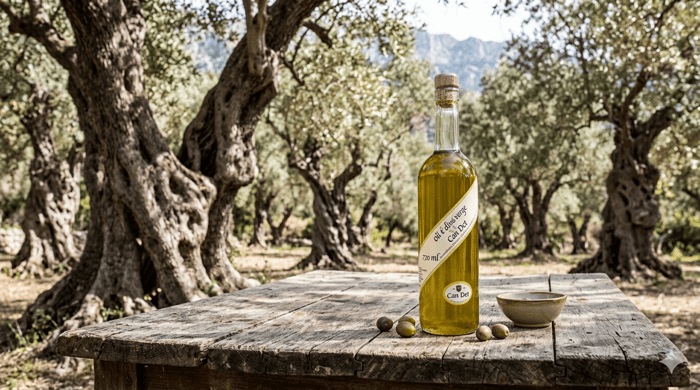
Mallorca has been producing olive oil for at least two thousand years. The Roman writer Pliny the Elder noted the quality of Balearic olive oil in the first century AD. The island's interior is still dotted with ancient olive trees — some of the oldest cultivated specimens in the world — gnarled and vast, producing fruit from the same root systems that grew before the Norman Conquest of England.
Since 2002, the best of that production has been protected under the Oli de Mallorca Denominació d'Origen Protegida — one of only a small number of Spanish olive oils with EU protected designation of origin status. Understanding what that means, who produces it, and where to find it is part of understanding how the island actually eats.
Thinking about buying or selling in Mallorca?
What the DOP Means
Denominació d'Origen Protegida (DOP) — the Catalan equivalent of the Spanish Denominación de Origen Protegida — means that the olives must be grown, pressed and bottled on Mallorca, using approved Mallorcan olive varieties. The designation is regulated by the Consell Regulador de l'Oli de Mallorca, which sets the production standards, conducts inspections and approves batches before they can carry the DOP seal.
The approved varieties are primarily Mallorquina (also called Empeltre), Arbequina, Picual and Koroneiki, grown across the island's interior valleys and mountain foothills. Each variety contributes different flavour characteristics: Mallorquina oils tend toward fruit and almond notes, Arbequina toward a softer, buttery profile, Picual toward a more robust, peppery finish.
To carry the DOP designation, oils must pass chemical analysis confirming acidity, peroxide levels, and organoleptic testing by trained tasters. The standards are comparable to the most rigorous olive oil DOP specifications in Europe.
The Landscape of Production
The majority of Mallorca's DOP olive production comes from the centre and northeast of the island — the Pla de Mallorca, the foothills around Sóller, and the interior municipalities of Bunyola, Orient, Alaró and Consell. The terraced hillsides of the Serra de Tramuntana, many of which were built by Moorish settlers in the medieval period, remain the most visually striking olive growing landscape on the island.
In the southwest, olive cultivation is present but less concentrated. The Calvià municipality has olive groves in its interior territory behind the coast, and the drive from Santa Ponsa toward Calvià village passes through mature groves that have been producing oil for generations. The oil from these groves typically goes to local producers or small cooperatives rather than branded DOP bottlings.
The Producers Worth Knowing
Aubocassa, based near Manacor in the east of the island, produces what many consider the finest estate olive oil in the Balearics. The estate uses exclusively the rare local Aubocassa variety and produces in very limited quantities — typically under 10,000 litres per year. Its oils have won international awards and are available in specialist food shops in Palma and from the estate directly.
Finca Son Sureda Ric, in the Manacor area, is another small estate producing DOP-certified oil from old Mallorquina trees. The combination of ancient root systems, thin limestone soils and a drying easterly wind gives the oil a character specific to the east coast microclimate.
Molí de l'Ó in Sóller is one of the most historically significant olive oil producers on the island, operating from a traditional stone press (molí) that dates to the 18th century. The Sóller valley is particularly well known for its olives, and the mill continues to press fruit from the ancient groves on the Tramuntana foothills.
Beyond the small estate producers, the Cooperativa Agrícola de Felanitx and several other agricultural cooperatives process olives from member growers across the island and produce DOP-certified oils at higher volumes. These are more widely distributed and represent the accessible entry point to verified Mallorcan DOP oil.
How Mallorcans Actually Use It
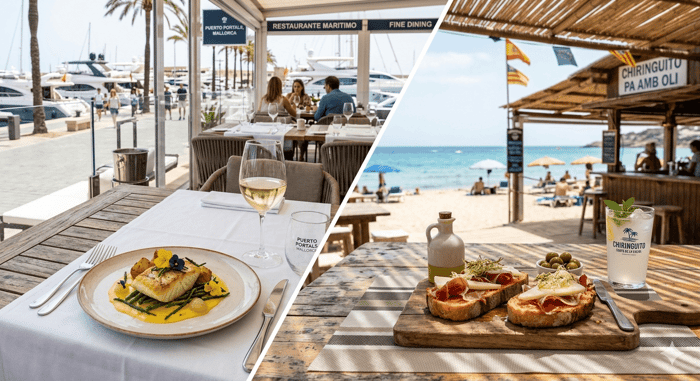
Mallorcan olive oil is not treated as a garnish here. It goes on bread at every meal, it goes into the pan for cooking rather than being reserved for dressing, and it goes over tomatoes with salt — the Catalan pa amb oli (bread with oil) being the most elemental food on the island and one that depends entirely on the quality of the oil used.
The freshly pressed oil from the autumn harvest — aceite nuevo, oli nou — has a distinctly grassy, peppery character that fades over months into a rounder, fruitier profile. Locals who have access to a producer or cooperative typically buy the year's oil after the harvest in October and November and store it in a cool, dark place for the year ahead.
Where to Buy Mallorcan Olive Oil
For DOP-certified oil, the best options are: the Mercat de l'Olivar in Palma, where several stalls sell local food products including DOP oils; the Saturday market in Santa Ponsa, which occasionally features local food producers; and specialist delicatessens in Palma's old town including Colmado Santo Domingo on Carrer Sant Domènec.
Several of the larger estate producers sell online and ship within Spain. For visitors wanting to bring a bottle home, a 500ml DOP oil in a dark glass bottle makes one of the most genuinely local gifts available on the island — far more characterful than anything sold in the airport.
Oil, Food and Living on the Island
Good olive oil is one of those things that marks the difference between visiting Mallorca and living here. Visitors notice it on restaurant tables; residents build their kitchens around it. The DOP designation gives that quality a verifiable standard and links the bottle on your table to specific groves, specific trees and a specific tradition of production that goes back further than most European nations.
Imperial Properties has been helping people find homes in the southwest since 1985. If you're thinking about what life on the island actually involves — the food, the rhythms, the local character — the team is happy to talk. Browse current listings at imperial-properties.com.