Table of Contents
The Spectacle of the Eight: Mallorca’s Solar Masterpiece
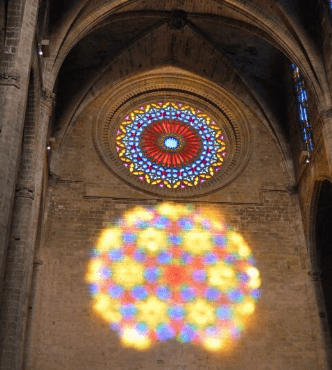
On the morning of February 2nd, 2026, the city of Palma will pause to witness a phenomenon that bridge the gap between medieval engineering and celestial wonder. Known locally as the Festa de la Llum (Festival of Light), this event occurs only twice a year—on the feast of Candlemas (2 February) and St. Martin’s Day (11 November). At approximately 08:30 AM, the rising sun aligns with surgical precision with the Cathedral’s Great Rose Window, known as the 'Oculus Maior'. As the light streams through 1,115 pieces of 14th-century stained glass, it projects a vibrant kaleidoscope of color onto the opposite wall of the main façade. For a few breathtaking minutes, the projection sits perfectly beneath the smaller rose window, forming a glowing figure-eight of light.
This video is courtesy of defrancdigital many thanks
This "Spectacle of the Eight" is far from a simple coincidence of architecture. It is a testament to the astronomical and mathematical prowess of the Gothic architects who began the construction of La Seu centuries ago. The Cathedral is oriented at 120 degrees southeast, allowing it to capture the winter sun at this exact trajectory. For those of us fortunate enough to call Mallorca home, this event serves as a profound reminder of the island’s deep cultural and spiritual heritage. The interior of the cathedral—the largest Gothic space in the world—becomes a stage for a silent, light-filled performance that symbolises harmony, infinity, and the cyclical nature of time.
The history of the Cathedral itself is as luminous as the light show. Built on the site of the former Arab mosque of Madina Mayurqa, the first stone was laid by King James I of Aragon in 1229 after he survived a treacherous storm at sea. He vowed to build a temple that would reflect the greatness of the faith that saved him, and over nearly 400 years, the building evolved into the Mediterranean Gothic masterpiece we see today. The Great Rose Window, or the "Gothic Eye," is the crown jewel of this structure. Measuring nearly 13 metres in diameter and featuring a surface area of almost 100 square metres, it is one of the largest rose windows in the world. Its 24 equilateral triangles form the shape of a star of David, and the colors—deep reds, vibrant greens, and celestial yellows—are made from artisanal glass that has survived the centuries.
The Festa de la Llum is not just a visual treat; it is a moment of shared community. Hundreds of spectators, from long-time residents of the old town to international visitors, gather in a respectful, hushed silence as the sun begins to climb. At Imperial Properties, we often tell our clients that winter in Mallorca is the island's best-kept secret. While the summer brings the glamour of the beach clubs, it is the winter that brings these moments of quiet majesty. Standing in the nave of the Cathedral at 8:15 AM, feeling the cool morning air of the old town outside while the interior begins to glow with an ethereal purple and gold light, is an experience that stays with you forever.
Practical advice for those attending this week: The doors of the Cathedral typically open at 07:30 AM via the Porta de l'Almoina. Entry for this event is free, but it is highly recommended to arrive by 07:45 AM to secure a good position in the central nave. The "Eight" usually starts to form around 08:15 AM and reaches its perfect alignment by 08:25 AM, lasting for about ten minutes before the sun continues its ascent and the projection fades. It is a fleeting, ephemeral masterpiece that reminds us to appreciate the present moment.
For the residents of Palma, the day doesn't end when the light fades. Traditionally, many go on to enjoy a breakfast of hot chocolate and ensaimadas in the surrounding historic cafés. We recommend taking a walk through the narrow streets of the Barri Gòtic (Gothic Quarter) afterward. The soft morning light hitting the honey-colored sandstone of the palaces and churches provides a perfect opportunity for photography without the usual crowds. This is the Mallorca we love—authentic, historical, and deeply moving.
One cannot discuss the light of La Seu without mentioning the radical interventions of Antoni Gaudí in the early 20th century. Between 1904 and 1914, the legendary Catalan architect was invited by Bishop Campins to restore the interior. Gaudí’s primary mission was to open up the space and maximize the "Cathedral of Light" concept. He removed the heavy Baroque choir screen that blocked the central nave, allowing the light from the rose windows to flood the entire length of the church. He also introduced innovative electric lighting and moved the altar to a more prominent position. Gaudí’s touch is visible in the baldachin over the altar, a crown-like structure that seems to float, catching the reflections from the stained glass. More recently, in 2007, the contemporary artist Miquel Barceló created the stunning ceramic mural in the Chapel of the Holy Sacrament. This modern addition, representing the miracle of the loaves and fishes, interacts with the natural light in a way that bridges 14th-century Gothic with 21st-century abstract art. This layering of history is what makes La Seu, and the Festa de la Llum, so unique—it is a living building that continues to evolve while remaining anchored in its celestial alignment.
El Espectáculo del Ocho: La Obra Maestra Solar de la Catedral de Mallorca
La mañana del 2 de febrero de 2026, la ciudad de Palma se detendrá para presenciar un fenómeno que une la ingeniería medieval con el asombro celestial. Conocido localmente como la Festa de la Llum (Fiesta de la Luz), este evento ocurre solo dos veces al año: en la festividad de la Candelaria (2 de febrero) y el día de San Martín (11 de noviembre). Aproximadamente a las 08:30, el sol naciente se alinea con una precisión quirúrgica con el Gran Rosetón de la Catedral, conocido como el 'Oculus Maior'. Al filtrarse la luz a través de las 1.115 piezas de cristal del siglo XIV, proyecta un caleidoscopio vibrante de color en la pared opuesta de la fachada principal. Durante unos minutos impresionantes, la proyección se sitúa perfectamente debajo del rosetón menor, formando un "ocho" luminoso de luz.
Este "Espectáculo del Ocho" no es una simple coincidencia arquitectónica. Es un testimonio de la destreza astronómica y matemática de los arquitectos góticos que iniciaron la construcción de La Seu hace siglos. La Catedral está orientada a 120 grados sureste, lo que le permite capturar el sol de invierno en esta trayectoria exacta. Para aquellos de nosotros que tenemos la suerte de llamar a Mallorca nuestro hogar, este evento sirve como un recordatorio profundo de la rica herencia cultural y espiritual de la isla. El interior de la catedral —el espacio gótico más grande del mundo— se convierte en un escenario para una actuación silenciosa y llena de luz que simboliza la armonía, el infinito y la naturaleza cíclica del tiempo.
La historia de la propia Catedral es tan luminosa como el espectáculo de luz. Construida sobre el emplazamiento de la antigua mezquita árabe de Madina Mayurqa, la primera piedra fue colocada por el Rey Jaime I de Aragón en 1229 tras sobrevivir a una traicionera tormenta en el mar. Prometió construir un templo que reflejara la grandeza de la fe que lo salvó, y a lo largo de casi 400 años, el edificio evolucionó hasta convertirse en la obra maestra del gótico mediterráneo que vemos hoy. El Gran Rosetón, o el "Ojo del Gótico", es la joya de la corona de esta estructura. Con casi 13 metros de diámetro y una superficie de casi 100 metros cuadrados, es uno de los rosetones más grandes del mundo. Sus 24 triángulos equiláteros forman la silueta de una estrella de David, y los colores —rojos profundos, verdes vibrantes y amarillos celestiales— están hechos de cristal artesanal que ha sobrevivido a los siglos.
La Festa de la Llum no es solo un deleite visual; es un momento de comunidad compartida. Cientos de espectadores, desde residentes de toda la vida del casco antiguo hasta visitantes internacionales, se reúnen en un silencio respetuoso mientras el sol comienza a subir. En Imperial Properties, a menudo decimos a nuestros clientes que el invierno en Mallorca es el secreto mejor guardado de la isla. Mientras que el verano trae el glamour de los clubes de playa, es el invierno el que trae estos momentos de majestuosidad tranquila. Estar en la nave de la Catedral a las 8:15 de la mañana, sintiendo el aire fresco de la mañana del casco antiguo mientras el interior comienza a brillar con una luz etérea de color púrpura y oro, es una experiencia que se queda grabada para siempre.
Consejos prácticos para quienes asistan esta semana: Las puertas de la Catedral suelen abrir a las 07:30 a través de la Porta de l'Almoina. La entrada para este evento es gratuita, pero se recomienda encarecidamente llegar antes de las 07:45 para asegurar una buena posición en la nave central. El "Ocho" suele empezar a formarse alrededor de las 08:15 y alcanza su alineación perfecta hacia las 08:25, durando unos diez minutos antes de que el sol continúe su ascenso y la proyección se desvanezca. Es una obra maestra fugaz y efímera que nos recuerda que debemos apreciar el momento presente.
Das Spektakel der Acht: Mallorcas molares Meisterwerk in La Seu
Am Morgen des 2. Februars 2026 wird die Stadt Palma innehalten, um ein Phänomen zu erleben, das die Brücke zwischen mittelalterlicher Ingenieurskunst und himmlischem Wunder schlägt. Dieses vor Ort als Festa de la Llum (Lichtfest) bekannte Ereignis findet nur zweimal im Jahr statt – am Fest der Lichtmess (2. Februar) und am Martinstag (11. November). Gegen 08:30 Uhr morgens richtet sich die aufgehende Sonne mit chirurgischer Präzision auf das große Rosettenfenster der Kathedrale aus, das als „Oculus Maior“ bekannt ist. Wenn das Licht durch die 1.115 Glasmalereien aus dem 14. Jahrhundert strömt, projiziert es ein lebendiges Kaleidoskop von Farben auf die gegenüberliegende Wand der Hauptfassade. Für einige atemberaubende Minuten sitzt die Projektion perfekt unter der kleineren Rosette und bildet eine leuchtende Acht aus Licht.
Dieses „Spektakel der Acht“ ist weit mehr als ein einfacher architektonischer Zufall. Es ist ein Beweis für das astronomische und mathematische Können der gotischen Architekten, die vor Jahrhunderten mit dem Bau von La Seu begannen. Die Kathedrale ist nach 120 Grad Südosten ausgerichtet, was es ihr ermöglicht, die Wintersonne auf dieser exakten Flugbahn einzufangen. Für diejenigen unter uns, die das Glück haben, Mallorca ihr Zuhause zu nennen, dient dieses Ereignis als tiefgreifende Erinnerung an das tiefe kulturelle und spirituelle Erbe der Insel. Das Innere der Kathedrale – der größte gotische Raum der Welt – wird zur Bühne für eine stille, lichtdurchflutete Aufführung, die Harmonie, Unendlichkeit und die zyklische Natur der Zeit symbolisiert.
Die Geschichte der Kathedrale selbst ist ebenso leuchtend wie die Lichtshow. Sie wurde an der Stelle der ehemaligen arabischen Moschee von Madina Mayurqa errichtet, und der Grundstein wurde 1229 von König Jakob I. von Aragon gelegt, nachdem er einen tückischen Sturm auf See überlebt hatte. Er schwor, einen Tempel zu bauen, der die Größe des Glaubens widerspiegeln sollte, der ihn rettete, und über fast 400 Jahre entwickelte sich das Gebäude zu dem mediterranen gotischen Meisterwerk, das wir heute sehen. Die Große Rosette oder das „gotische Auge“ ist das Kronjuwel dieses Bauwerks. Mit einem Durchmesser von fast 13 Metern und einer Fläche von fast 100 Quadratmetern ist sie eines der größten Rosettenfenster der Welt. Ihre 24 gleichseitigen Dreiecke bilden die Form eines Davidsterns, und die Farben – tiefes Rot, leuchtendes Grün und himmlisches Gelb – bestehen aus handwerklichem Glas, das die Jahrhunderte überdauert hat.
Die Festa de la Llum ist nicht nur ein visueller Genuss, sondern auch ein Moment gemeinsamer Gemeinschaft. Hunderte von Zuschauern, von alteingesessenen Bewohnern der Altstadt bis hin zu internationalen Besuchern, versammeln sich in respektvoller, andächtiger Stille, wenn die Sonne aufzusteigen beginnt. Bei Imperial Properties sagen wir unseren Kunden oft, dass der Winter auf Mallorca das bestgehütete Geheimnis der Insel ist. Während der Sommer den Glamour der Beachclubs mit sich bringt, ist es der Winter, der diese Momente stiller Erhabenheit beschert. Um 8:15 Uhr morgens im Kirchenschiff der Kathedrale zu stehen, die kühle Morgenluft der Altstadt draußen zu spüren, während das Innere in einem ätherischen purpurnen und goldenen Licht zu erstrahlen beginnt, ist ein Erlebnis, das für immer bleibt.
Praktische Ratschläge für die Besucher in dieser Woche: Die Türen der Kathedrale öffnen normalerweise um 07:30 Uhr über die Porta de l'Almoina. Der Eintritt für diese Veranstaltung ist kostenlos, es wird jedoch dringend empfohlen, bis 07:45 Uhr einzutreffen, um sich eine gute Position im Mittelschiff zu sichern. Die „Acht“ beginnt sich normalerweise gegen 08:15 Uhr zu formen und erreicht ihre perfekte Ausrichtung gegen 08:25 Uhr. Sie dauert etwa zehn Minuten, bevor die Sonne ihren Aufstieg fortsetzt und die Projektion verblasst. Es ist ein flüchtiges, vergängliches Meisterwerk, das uns daran erinnert, den gegenwärtigen Moment zu schätzen.