Table of Contents
Sa Dragonera Natural Park: The Wild Island Off Mallorca's Southwest Coast
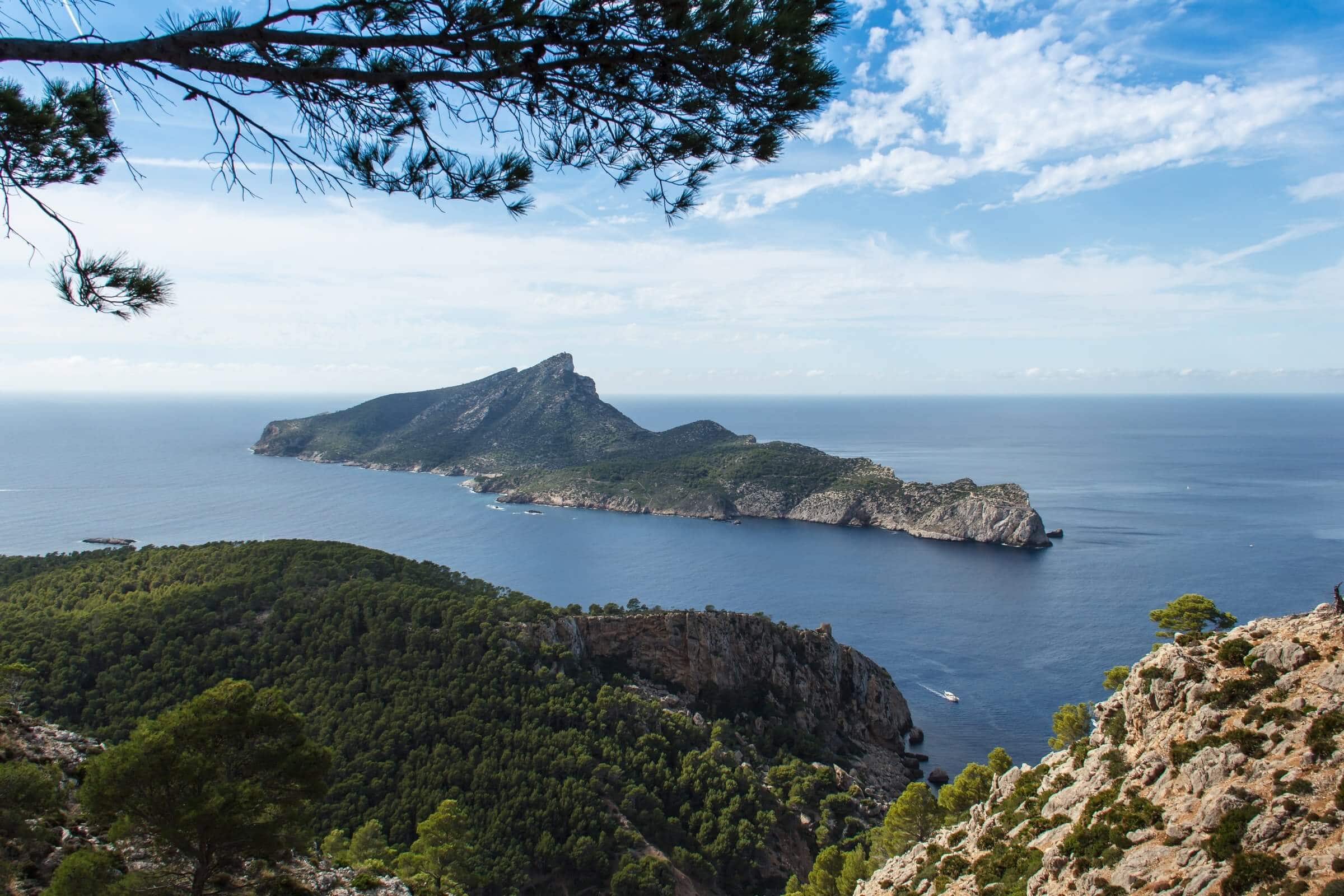
Sa Dragonera Natural Park sits just off the southwest coast of Mallorca, close enough to see from the beach at Sant Elm yet far enough away to have stayed almost entirely undeveloped. No roads, no hotels, no permanent residents. Just six kilometres of cliffs, scrub and lighthouse-topped headland, separated from the main island by a narrow channel that takes about twenty minutes to cross by boat.
The island takes its name from its shape, which from certain angles along the coast looks like a sleeping dragon stretched out across the water. Along with two smaller islets, Illot des Pantaleu and Sa Mitjana, it forms one of the last genuinely wild corners of the southwest, and one that most residents of the area have visited at least once without ever quite getting around to going back.
What Sa Dragonera Actually Is
The island was declared a Natural Park in 1995, protecting a landscape that had narrowly escaped a very different fate. In the 1970s there were serious plans to develop Sa Dragonera into a tourist resort, complete with hotels and infrastructure, before environmental campaigners intervened and the project was shelved. What survived instead is a refuge for 361 recorded plant species, eighteen of which are endemic to the Balearics, along with a population of wall lizards found nowhere else on earth.
Thinking about buying or selling in Mallorca?
Those lizards, of the endemic subspecies Podarcis lilfordi, are the island's most visible residents, curious and largely unbothered by visitors. Sa Dragonera is also an important nesting site for seabirds, including Eleonora's falcon and the Balearic shearwater, one of the rarest seabirds in the Mediterranean. Three lighthouses punctuate the island's rocky spine, the oldest dating to the mid nineteenth century, and a small interpretive centre near the main jetty at Cala Lladó covers the island's natural and human history, including its past as a haunt for pirates and smugglers running the strait between Mallorca and the mainland.
Getting There from the Southwest
Sa Dragonera is accessible only by boat, and several departure points serve it directly from the southwest coast. The most common crossing runs from Sant Elm, at least hourly through the summer season, with the trip itself taking around fifteen to twenty minutes. Daily boats also run from Port d'Andratx, Santa Ponsa and Peguera, often timed to allow a full day on the island before the return crossing. Some operators combine the transfer with snorkelling stops or a packed lunch on board, while others simply run the crossing and leave the island itself to be explored independently.
There is no permit required to land, and entry to the park itself is free, though visitor numbers are limited on any given day to protect the ecosystem, and there is nowhere to buy food or drink once ashore, so most visitors bring their own supplies.
What to Do Once You Arrive
Four signposted trails begin at the small port of Cala Lladó, ranging from a short walk up to the Na Miranda viewpoint to a longer four kilometre round trip out to the Cap de Tramuntana lighthouse at the island's northern tip. The paths are well maintained and manageable for most fitness levels, though there is little shade for much of the route, so early morning or late afternoon visits are more comfortable during the summer months. The reward at the end of each trail is the same regardless of which route is chosen: sweeping views back across the strait to the Mallorcan coastline, with the Tramuntana mountains rising behind Sant Elm and Andratx.
Wildlife watching tends to happen without much effort. The lizards gather readily around anyone who sits still for a few minutes, and the cliffs along the island's western side are a reliable spot for watching seabirds ride the thermals rising off the rock face. Swimming and snorkelling are popular in the clear water around the boat landing, though as with the trails, visitors should bring everything they need, since there are no facilities beyond the interpretive centre.
Best Time to Visit
Boat services run most reliably from spring through autumn, with sailings reduced or suspended in poor weather, since the crossing itself can be uncomfortable in a strong swell. Midsummer offers the most frequent departures but also the busiest boats and the hottest hiking conditions, so many locals prefer the shoulder months of May, June or September, when the island is quieter and the trails more comfortable to walk.
A few practical points make the difference between an easy day out and an uncomfortable one. Sturdy shoes matter more than sandals once the trails leave the jetty, since the terrain turns rocky quickly. Sun protection is essential given how little shade the island offers, and a refillable water bottle is worth carrying since there is nowhere on the island to buy a replacement. Because crossings depend on the weather and on daily visitor limits, booking the boat in advance during peak season, rather than turning up at the jetty and hoping for a spot, tends to save a wasted trip.
A Quiet Piece of Local History
The watchtower and the island's turbulent past as a base for pirates and later for smugglers moving contraband along the strait give Sa Dragonera a layer of history that goes well beyond its wildlife. The Balearic government's decision to buy the island in 1987 and formalise its protection in 1995 is often cited locally as one of the clearer wins for conservation in a part of Mallorca that has otherwise seen heavy coastal development over the past half century. For residents who have watched the southwest coastline change over the decades, Dragonera stands as a rare constant: the one stretch of this coast that looks much as it always has.
Living Near Dragonera: Property in the Southwest
For residents of the southwest, Sa Dragonera is less a once-in-a-lifetime excursion than a fixture of the local landscape, visible from many stretches of coast between Santa Ponsa and Sant Elm and within easy reach for an afternoon trip whenever the mood strikes. Properties along this stretch of coastline, from Santa Ponsa and Peguera through to Port d'Andratx and Sant Elm itself, regularly offer views out toward the island, one of the quieter draws for buyers who want a genuine sense of wild nature within sight of home. Browse our current listings across southwest Mallorca to see what's available along this coastline today.