Table of Contents
- The Grand Parades of Palma: Sa Rueta and Sa Rua
- Island-Wide Celebrations: Beyond the Capital
- Culinary and Symbolic Traditions
- Carnival 2026: The Essential FAQ
- Los Grandes Desfiles de Palma: Sa Rueta y Sa Rua
- Celebraciones en Toda la Isla: Más Allá de la Capital
- Tradiciones Culinarias y Simbólicas
- Carnaval 2026: Preguntas Frecuentes
- Die großen Paraden von Palma: Sa Rueta und Sa Rua
- Inselweite Feierlichkeiten: Jenseits der Hauptstadt
- Kulinarische und symbolische Traditionen
- Karneval 2026: Wichtige Fragen
Sa Rua 2026: Mallorca’s Vibrant Carnival Awakening
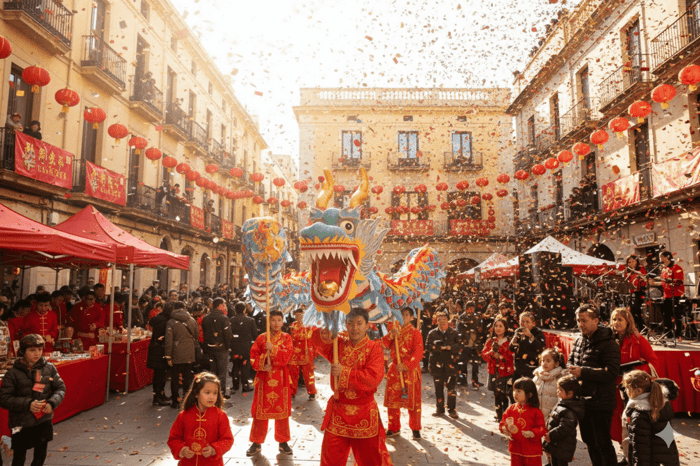
Sa Rua 2026: Mallorca’s Vibrant Carnival Awakening - As the winter sun casts its golden hue over the limestone facades of Palma, a unique energy begins to vibrate through the city’s narrow streets. For those observing the island’s cultural rhythms, February is a period of intense awakening. The arrival of Carnival 2026, known locally as Sa Rua, is the absolute highlight of the winter calendar. This year, the festivities are confirmed to take place across the island, with the main events in the capital scheduled for Sunday, February 8th (Sa Rueta) and Sunday, February 15th (Sa Rua). This week-long celebration represents a sophisticated blend of Mediterranean tradition and modern artistic expression.
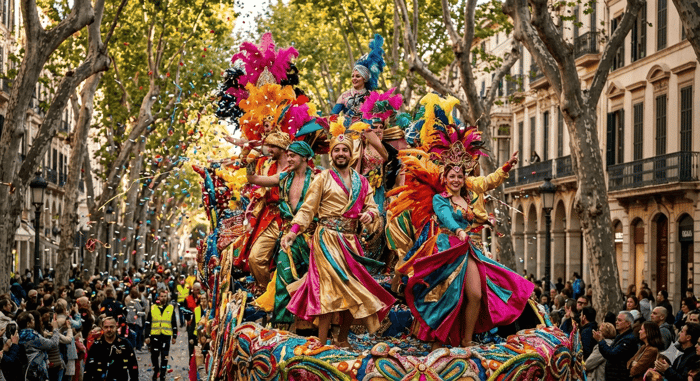
Sa Rua 2026: Mallorca’s Vibrant Carnival Awakening, the origins of Carnival in Mallorca are deeply tied to the agricultural and religious cycles of the island. Historically, the days leading up to Ash Wednesday—known in Mallorquin as Els Darrers Dies (The Last Days)—were a time of "allowed transgression," where the strict social hierarchies were temporarily suspended. Residents donned masks to achieve a level of anonymity that allowed them to satirize local authorities and the clergy. While the satirical edge remains, modern Sa Rua has evolved into a world-class display of craftsmanship. The "comparsas" (troupes) that participate in the parades often spend months in secret workshops, constructing elaborate floats or carrosses that reflect the island's growing commitment to artisan creativity and sustainability.
The Grand Parades of Palma: Sa Rueta and Sa Rua
For families and residents, the schedule for 2026 is definitive. Sa Rueta, the dedicated children’s carnival, will take place on the morning of Sunday, February 8th, from 11:00 to 14:00. This event transforms the historic center of Palma into a pedestrianized paradise. More than 33 free activities are planned, ranging from street circuses and giant puppets to face-painting workshops and musical performances. The activities are centered around the Plaça de Cort, the Plaça Major, and the Passeig del Born, creating a safe and engaging environment for the younger generation to experience Mallorca’s cultural heritage.
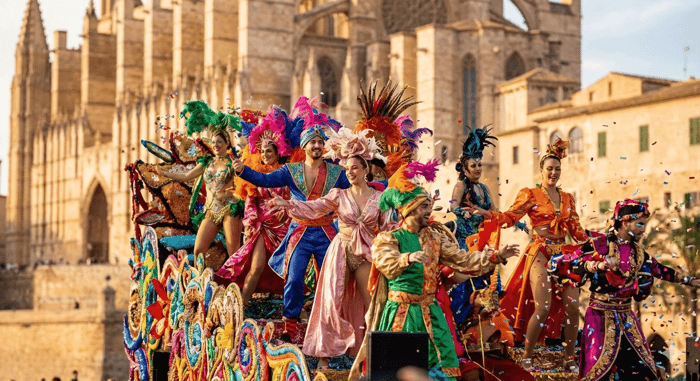
The centerpiece of the season is the grand Sa Rua parade, which will take place on Sunday, February 15th, 2026, starting at 17:00. The route is a masterclass in urban beauty, weaving through the La Rambla, Carrer de la Unió, and Plaça del Rei Joan Carles I, before concluding at the Avenida de Jaume III. For property owners along this route, the parade offers a spectacular view of the elaborate floats and competing dance troupes. In 2026, the contest for the most creative floats is expected to involve over 50 groups, with the final judging taking place in the square under the shadow of the cathedral. This event is not merely a party; it is a display of social cohesion and island pride.
Island-Wide Celebrations: Beyond the Capital
While Palma hosts the most exuberant displays, the spirit of Sa Rua is felt in every municipality. In the southwest, the S’Arenal Carnival is scheduled for Saturday, February 14th, bridging the municipalities of Palma and Llucmajor. This parade is famous for its coastal energy and length, stretching over two kilometers along the beachfront. Similarly, the municipality of Marratxí kicks off the season on February 7th, offering a more localized, community-driven atmosphere. These regional parades allow residents to enjoy the festivities in a more intimate setting, showcasing the unique traditions of each village, such as the use of traditional Xeremiers (pipers) alongside modern musical ensembles.
Logistics for the 2026 event have been refined to handle the increasing winter population. The EMT bus service has announced reinforced lines (specifically lines 3, 4, 7, and 20) to ensure residents can reach the city center without the stress of parking, as the central arteries will be closed to private traffic from 15:30 on the day of the grand parade. For those traveling from the outskirts, the Son Fusteret parking facility serves as a convenient hub, connected directly to the city center via the Metro. This emphasis on accessibility and public transport reflects the island's broader goals of modern infrastructure and sustainable tourism management.
Culinary and Symbolic Traditions
One cannot truly experience Sa Rua without indulging in the seasonal culinary traditions. The ensaimada de tallades is the signature pastry of the season, a variation of the famous spiral bun topped with slices of candied fruit and savory sobrasada. This unique blend of sweet and savory is exclusively sold during the carnival period, signaling the "last feast" before the abstinence of Lent. Historically, the consumption of meat was the central theme of Els Darrers Dies, and today, many communities continue to hold torradas (public barbecues) to mark the occasion.
The festivities reach their symbolic end on Ash Wednesday, February 18th, 2026, with the Enterrament de la Sardina (Burial of the Sardine). This quirky and darkly humorous tradition involves a mock funeral procession where a giant sardine is carried through the streets and eventually burned or buried. This ritual represents the death of the carnival’s excesses and the birth of a period of reflection. In towns like Lloseta and Pollença, the Burial of the Sardine is a significant community event, often followed by a final shared meal. It is a poetic conclusion to a week of unbridled creativity, reminding us that Mallorca’s identity is anchored in both joy and tradition.
Carnival 2026: The Essential FAQ
What are the exact dates for the 2026 Carnival in Palma?
The children's carnival, Sa Rueta, is on Sunday, February 8th. The main grand parade, Sa Rua, is on Sunday, February 15th, starting at 17:00.
Where is the best place to view the Sa Rua parade?
The most dramatic views are along Avenida de Jaume III and La Rambla. Arriving at Plaça del Rei Joan Carles I by 16:00 is recommended to see the troupes perform for the jury.
How is traffic managed in Palma during the event?
The city center is closed to private vehicles from 15:30 on February 15th. Residents are advised to use the reinforced EMT bus lines (3, 4, 7, 20) or park at Son Fusteret and use the Metro.
Are there other parades outside of Palma?
Yes, Marratxí holds its parade on Feb 7th, S'Arenal on Feb 14th, and Pollença on Feb 14th, each offering a distinct local atmosphere.
Sa Rua 2026: El Despertar Vibrante del Carnaval en Mallorca
A medida que el sol de invierno proyecta su tono dorado sobre las fachadas de piedra caliza de Palma, una energía única comienza a vibrar a través de las estrechas calles de la ciudad. Para quienes observan los ritmos culturales de la isla, febrero es un período de intenso despertar. La llegada del Carnaval 2026, conocido localmente como Sa Rua, es el punto culminante absoluto del calendario de invierno. Este año, las festividades están confirmadas en toda la isla, con los eventos principales en la capital programados para el domingo 8 de febrero (Sa Rueta) y el domingo 15 de febrero (Sa Rua). Esta celebración de una semana representa una combinación sofisticada de tradición mediterránea y expresión artística moderna.
Los orígenes del Carnaval en Mallorca están profundamente ligados a los ciclos agrícolas y religiosos de la isla. Históricamente, los días previos al Miércoles de Ceniza, conocidos en mallorquín como Els Darrers Dies (Los últimos días), eran un tiempo de "transgresión permitida", donde las estrictas jerarquías sociales se suspendían temporalmente. Los residentes usaban máscaras para lograr un nivel de anonimato que les permitiera satirizar a las autoridades locales y al clero. Si bien el toque satírico permanece, la Sa Rua moderna ha evolucionado hacia una exhibición de artesanía de clase mundial. Las comparsas que participan en los desfiles a menudo pasan meses en talleres secretos construyendo elaboradas carrozas que reflejan el creciente compromiso de la isla con la creatividad artesanal y la sostenibilidad.
Los Grandes Desfiles de Palma: Sa Rueta y Sa Rua
Para las familias y residentes, el calendario para 2026 es definitivo. Sa Rueta, el carnaval dedicado a los niños, tendrá lugar la mañana del domingo 8 de febrero, de 11:00 a 14:00 horas. Este evento transforma el centro histórico de Palma en un paraíso peatonal. Se han planeado más de 33 actividades gratuitas, que van desde circos callejeros y marionetas gigantes hasta talleres de pintura facial y actuaciones musicales. Las actividades se centran en la Plaça de Cort, la Plaça Major y el Passeig del Born, creando un entorno seguro y atractivo para que las nuevas generaciones experimenten el patrimonio cultural de Mallorca.
La pieza central de la temporada es el gran desfile de Sa Rua, que tendrá lugar el domingo 15 de febrero de 2026, a partir de las 17:00 horas. La ruta es una lección de belleza urbana, recorriendo La Rambla, la calle de la Unió y la Plaza del Rei Joan Carles I, antes de concluir en la Avenida de Jaume III. Para los propietarios a lo largo de esta ruta, el desfile ofrece una vista espectacular de las elaboradas carrozas y los grupos de baile que compiten. En 2026, se espera que el concurso de las carrozas más creativas involucre a más de 50 grupos, con la evaluación final en la plaza bajo la sombra de la catedral. Este evento no es simplemente una fiesta; es una muestra de cohesión social y orgullo isleño.
Celebraciones en Toda la Isla: Más Allá de la Capital
Si bien Palma alberga las exhibiciones más exuberantes, el espíritu de Sa Rua se siente en cada municipio. En el suroeste, el Carnaval de S’Arenal está programado para el sábado 14 de febrero, uniendo los municipios de Palma y Llucmajor. Este desfile es famoso por su energía costera y su longitud, extendiéndose por más de dos kilómetros a lo largo de la playa. Del mismo modo, el municipio de Marratxí inicia la temporada el 7 de febrero, ofreciendo un ambiente más local y comunitario. Estos desfiles regionales permiten a los residentes disfrutar de las festividades en un entorno más íntimo, mostrando las tradiciones únicas de cada pueblo, como el uso de los Xeremiers tradicionales junto con conjuntos musicales modernos.
La logística para el evento de 2026 se ha refinado para manejar el aumento de la población invernal. El servicio de autobuses EMT ha anunciado el refuerzo de líneas (específicamente las líneas 3, 4, 7 y 20) para asegurar que los residentes puedan llegar al centro de la ciudad sin el estrés del aparcamiento, ya que las arterias centrales estarán cerradas al tráfico privado desde las 15:30 el día del gran desfile. Para quienes viajan desde las afueras, el aparcamiento de Son Fusteret sirve como un centro conveniente, conectado directamente con el centro de la ciudad a través del Metro. Este énfasis en la accesibilidad y el transporte público refleja los objetivos más amplios de la isla en cuanto a infraestructura moderna y gestión turística sostenible.
Tradiciones Culinarias y Simbólicas
Uno no puede experimentar verdaderamente Sa Rua sin disfrutar de las tradiciones culinarias estacionales. La ensaimada de tallades es el dulce emblemático de la temporada, una variación del famoso bollo en espiral cubierto con rodajas de fruta confitada y sobrasada. Esta combinación única de dulce y salado se vende exclusivamente durante el período de carnaval, señalando el "último festín" antes de la abstinencia de la Cuaresma. Históricamente, el consumo de carne era el tema central de Els Darrers Dies, y hoy en día, muchas comunidades continúan celebrando torradas (barbacoas públicas) para marcar la ocasión.
Las festividades llegan a su fin simbólico el Miércoles de Ceniza, 18 de febrero de 2026, con el Enterrament de la Sardina. Esta tradición satírica consiste en un simulacro de cortejo fúnebre donde una sardina gigante es llevada por las calles y finalmente quemada o enterrada. Este ritual representa la muerte de los excesos del carnaval y el nacimiento de un período de reflexión. En pueblos como Lloseta y Pollença, el Entierro de la Sardina es un evento comunitario importante, seguido a menudo por una última comida compartida. Es una conclusión poética para una semana de creatividad desbordante, recordándonos que la identidad de Mallorca está anclada tanto en la alegría como en la tradición.
Carnaval 2026: Preguntas Frecuentes
¿Cuáles son las fechas exactas del Carnaval 2026 en Palma?
El carnaval infantil, Sa Rueta, es el domingo 8 de febrero. El gran desfile principal, Sa Rua, es el domingo 15 de febrero, a partir de las 17:00.
¿Cuál es el mejor lugar para ver el desfile de Sa Rua?
Las vistas más espectaculares se encuentran a lo largo de la Avenida de Jaume III y La Rambla. Se recomienda llegar a la Plaza del Rei Joan Carles I antes de las 16:00.
Sa Rua 2026: Mallorcas lebendiges Erwachen des Karnevals
Wenn die Wintersonne ihren goldenen Ton über die Kalksteinfassaden von Palma wirft, beginnt eine einzigartige Energie durch die engen Gassen der Stadt zu vibrieren. Für diejenigen, die die kulturellen Rhythmen der Insel beobachten, ist der Februar eine Zeit des intensiven Erwachens. Die Ankunft des Karnevals 2026, lokal bekannt als Sa Rua, ist der absolute Höhepunkt des Winterkalenders. In diesem Jahr finden die Feierlichkeiten offiziell auf der ganzen Insel statt, wobei die Hauptveranstaltungen in der Hauptstadt für Sonntag, den 8. Februar (Sa Rueta) und Sonntag, den 15. Februar (Sa Rua) geplant sind.
Die Ursprünge des Karnevals auf Mallorca sind eng mit den landwirtschaftlichen und religiösen Zyklen der Insel verbunden. Historisch gesehen waren die Tage vor dem Aschermittwoch – auf Mallorquinisch als Els Darrers Dies (Die letzten Tage) bekannt – eine Zeit der "erlaubten Grenzüberschreitung", in der die strengen sozialen Hierarchien vorübergehend aufgehoben wurden. Die Bewohner trugen Masken, um eine Anonymität zu erreichen, die es ihnen erlaubte, die lokalen Behörden und den Klerus zu satirisieren. Während die satirische Note erhalten bleibt, hat sich das moderne Sa Rua zu einer erstklassigen Zurschaustellung von Handwerkskunst entwickelt. Die Gruppen, die an den Paraden teilnehmen, verbringen oft Monate in geheimen Werkstätten, um kunstvolle Wagen zu bauen.
Die großen Paraden von Palma: Sa Rueta und Sa Rua
Für Familien und Bewohner ist der Zeitplan für 2026 definitiv. Sa Rueta, der spezielle Kinderkarneval, findet am Vormittag des Sonntags, 8. Februar, von 11:00 bis 14:00 Uhr statt. Diese Veranstaltung verwandelt das historische Zentrum von Palma in ein Paradies für Fußgänger. Mehr als 33 kostenlose Aktivitäten sind geplant, von Straßenzirkussen und riesigen Marionetten bis hin zu Schminkworkshops und Musikaufführungen. Die Aktivitäten konzentrieren sich auf die Plaça de Cort, die Plaça Major und den Passeig del Born und bieten der jüngeren Generation einen sicheren Raum, um das kulturelle Erbe Mallorcas zu erleben.
Das Herzstück der Saison ist die große Parade Sa Rua, die am Sonntag, den 15. Februar 2026, ab 17:00 Uhr stattfindet. Die Route ist ein Meisterwerk der städtischen Schönheit und führt über die La Rambla, die Carrer de la Unió und die Plaça del Rei Joan Carles I bis zur Avenida de Jaume III. Für Immobilienbesitzer entlang dieser Route bietet die Parade einen spektakulären Blick auf die kunstvollen Wagen und Tanzgruppen. Im Jahr 2026 wird erwartet, dass über 50 Gruppen am Wettbewerb um die kreativsten Wagen teilnehmen, wobei die endgültige Bewertung auf dem Platz im Schatten der Kathedrale stattfindet.
Inselweite Feierlichkeiten: Jenseits der Hauptstadt
Während Palma die exuberantesten Vorführungen beherbergt, ist der Geist von Sa Rua in jeder Gemeinde zu spüren. Im Südwesten ist der Karneval von S’Arenal für Samstag, den 14. Februar geplant, der die Gemeinden Palma und Llucmajor verbindet. Diese Parade ist bekannt für ihre Energie an der Küste und ihre Länge von über zwei Kilometern entlang des Strandes. Ebenso beginnt die Gemeinde Marratxí die Saison am 7. Februar mit einer lokaleren Atmosphäre. Diese regionalen Paraden ermöglichen es den Bewohnern, die Feierlichkeiten in einem intimeren Rahmen zu genießen.
Die Logistik für die Veranstaltung 2026 wurde verfeinert, um der wachsenden Winterbevölkerung gerecht zu werden. Der Busdienst EMT hat verstärkte Linien (insbesondere 3, 4, 7 und 20) angekündigt, um sicherzustellen, dass die Bewohner das Stadtzentrum stressfrei erreichen können, da die Hauptverkehrsadern am Tag der großen Parade ab 15:30 Uhr für den Privatverkehr gesperrt sind. Für diejenigen, die von außerhalb kommen, dient der Parkplatz Son Fusteret als praktischer Knotenpunkt, der über die Metro direkt mit dem Stadtzentrum verbunden ist. Dieser Fokus auf Erreichbarkeit spiegelt die umfassenderen Ziele der Insel für moderne Infrastruktur wider.
Kulinarische und symbolische Traditionen
Man kann Sa Rua nicht wirklich erleben, ohne die saisonalen kulinarischen Traditionen zu genießen. Die Ensaimada de Tallades ist das typische Gebäck der Saison, eine Variante des berühmten spiralförmigen Gebäcks, das mit kandierten Früchten und Sobrasada belegt ist. Diese einzigartige Mischung aus süß und herzhaft wird exklusiv während der Karnevalszeit verkauft. Historisch gesehen war der Fleischkonsum das zentrale Thema von Els Darrers Dies, und auch heute noch veranstalten viele Gemeinden öffentliche Grillfeste (Torradas), um diesen Anlass zu feiern.
Die Feierlichkeiten erreichen ihr symbolisches Ende am Aschermittwoch, den 18. Februar 2026, mit dem Enterrament de la Sardina (Begräbnis der Sardine). Diese skurrile Tradition beinhaltet einen Schein-Trauerzug, bei dem eine riesige Sardine durch die Straßen getragen und schließlich verbrannt oder begraben wird. Dieses Ritual stellt den Tod der Exzesse des Karnevals und den Beginn einer Zeit der Reflexion dar. In Städten wie Lloseta und Pollença ist das Begräbnis der Sardine ein bedeutendes Gemeinschaftsereignis. Es ist ein poetischer Abschluss einer Woche grenzenloser Kreativität und erinnert uns daran, dass Mallorcas Identität sowohl in Freude als auch in Tradition verankert ist.
Karneval 2026: Wichtige Fragen
Was sind die genauen Termine für den Karneval 2026 in Palma?
Der Kinderkarneval, Sa Rueta, findet am Sonntag, den 8. Februar statt. Die große Parade, Sa Rua, ist am Sonntag, den 15. Februar, ab 17:00 Uhr.
Wo ist der beste Ort, um die Sa Rua Parade zu sehen?
Die besten Aussichtspunkte befinden sich entlang der Avenida de Jaume III und der La Rambla. Es wird empfohlen, bis 16:00 Uhr am Plaça del Rei Joan Carles I zu sein.