Palma’s Ancient Heart: The Rhythms of Holy Week 2026
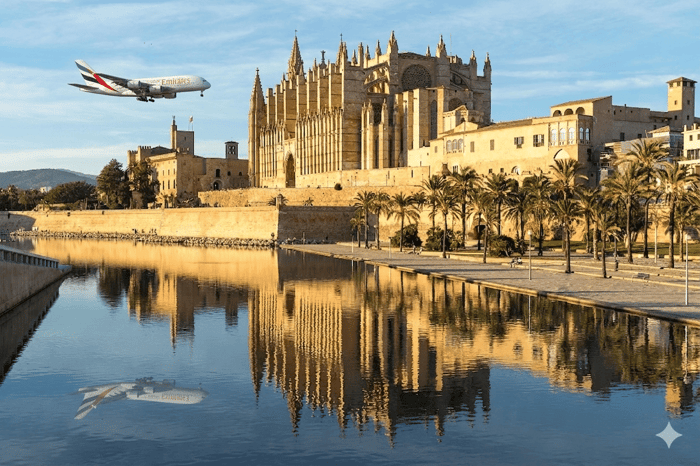
The turn of April in Mallorca brings a shift that is felt more than it is seen. The morning light on the Cathedral’s sandstone takes on a different quality, and a quietude settles over the narrow streets of the Old Town. This is the start of Semana Santa 2026, a time when modern island life pauses to honor traditions that have survived five centuries. For those who live here, the week isn't a performance; it is the pulse of the community, a period where history isn't read in books but heard in the rhythmic beat of a single drum against stone walls.
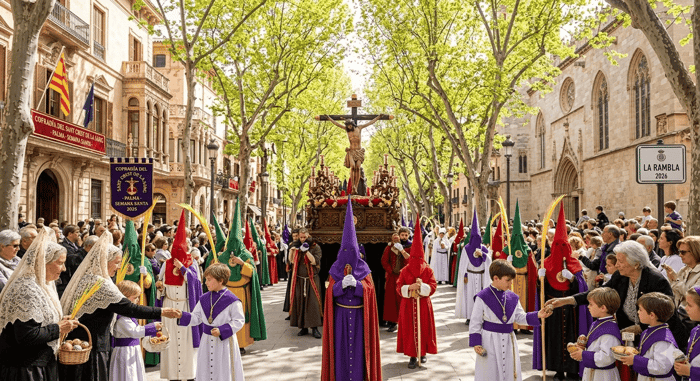
To walk through Palma this week is to witness a social fabric that remains remarkably intact. The cofradías (brotherhoods) represent the backbone of this heritage. Clad in their distinctive tunics and tall, pointed hoods, these groups carry heavy, ornate floats through the city. While the imagery can be striking to a newcomer, the local understanding of these hoods is rooted in the anonymity of penance—a way for individuals to lose themselves in a collective act of faith and history. It is a shared experience that links the oldest residents with the youngest children, all standing together on the sidewalk as the shadows of the plane trees dance across the passing robes.
The streets of the capital, usually bustling with the sounds of commerce and tourism, undergo a profound transformation. The scent of incense becomes a permanent fixture in the air, mingling with the salt breeze from the bay. This transition is not merely religious; it is cultural. It marks the moment when the island stops looking outward toward its visitors and starts looking inward at its own identity. The silence observed during the more somber processions is a collective agreement, a show of respect that transcends individual beliefs and speaks to the shared history of every Mallorcan family.
The Core Calendar: Key Moments in Palma
Holy Thursday: The Night of Sant Crist de la Sang (April 2, 2026)
The air in Palma is thick with expectation on Holy Thursday. This is the night dedicated to "La Sang," the protector of the city. It is the longest and most revered procession of the week.
- Time: Beginning at 19:00.
- Route: Departing from the Church of l’Anunciació (La Misericòrdia), the procession moves through La Rambla, Carrer dels Oms, and Plaça Major before reaching the Cathedral in the late hours.
- Observation: The pace is intentionally slow. Standing along the Rambla offers a classic vantage point to witness the flickering candlelight reflecting off the historic facades.
Good Friday: The Holy Burial (April 3, 2026)
Good Friday in Mallorca is defined by a heavy, breathless silence. The city retreats into itself, creating an atmosphere of deep reflection.
- Via Crucis: At 12:00, a dramatic reenactment occurs on the Cathedral steps. The scale of the Gothic architecture provides a natural stage for the Stations of the Cross.
- Evening Procession: Starting at 19:00 from the Basilica of Sant Francesc. This is a somber affair, characterized by absolute silence and the haunting sound of chains trailing along the cobblestones.
The traditions extend far beyond the church walls and into the kitchens of Mallorca. Holy Week has a specific flavor, defined by recipes passed down through generations. Local bakeries are busy with the production of Panades, the savory lamb and pea pies that are synonymous with this period. There are also Rubiols—sweet, crescent-shaped pastries filled with cottage cheese or apricot jam—and Crespells, star-shaped biscuits that children often help to bake. These foods are the tangible evidence of the season, marking the transition from the austerity of Lent to the abundance of Easter.
Gathering to prepare these dishes is as much a part of the week as the processions themselves. Families spend hours in the kitchen, hand-crimping the edges of the Panades, a skill that is often taught by grandparents to the younger generation. It is in these quiet, domestic moments that the true spirit of the island's heritage is preserved. The shared labor and the subsequent sharing of the food on Easter Sunday create a sense of continuity that anchors the community, ensuring that even as the world outside changes, the fundamental character of Mallorcan life remains the same.
The North: The 365 Steps of Pollença
For a truly unique experience, many head to the town of Pollença on Good Friday evening. The Davallament (Descent from the Cross) at 21:00 is one of the most powerful sights on the island. The figure of Christ is lowered from the cross at the Calvary Oratory and carried down the 365 cypress-lined steps. There are no electric lights, only the glow of torches and the sound of the wind. It is an exercise in communal silence, a moment that feels entirely disconnected from the 21st century.
Easter Sunday: The Joy of the Encounter (April 5, 2026)
The mood breaks on Sunday morning with the Procesó de l'Encontre. At 10:15 near the Palma Cathedral, the statue of the Risen Christ meets the statue of the Virgin Mary. As they meet, the Virgin bows three times, the bells of the city ring out, and the solemnity of the week dissolves into celebration. This marks the start of the Easter Mass at 10:30 and the beginning of family feasts across the island, signaling the true arrival of spring.
Headline: Stone and Silence: Navigating the Authentic Heritage of Mallorca’s Holy Week Traditions in April 2026
In 2026, Mallorca continues to offer a rare window into the living traditions of the Mediterranean. From the torch-lit steps of Pollença to the historic processions in the heart of Palma, the island provides a schedule of events rooted in five centuries of history. This guide details the essential times and locations for those seeking to understand the cultural and spiritual depth of the Balearics during this important week.
Whilst Imperial Properties makes all efforts to ensure the information in the description and listing is correct, it is the buyer's responsibility to clarify any statistical data shown.
El corazón antiguo de Palma: Los ritmos de la Semana Santa 2026
La llegada de abril a Mallorca trae consigo un cambio que se siente más de lo que se ve. La luz de la mañana sobre el marés de la Catedral adquiere una cualidad distinta y una quietud se instala en las estrechas calles del casco antiguo. Es el inicio de la Semana Santa 2026, un tiempo en el que la vida moderna de la isla hace una pausa para honrar tradiciones que han sobrevivido cinco siglos. Para quienes habitan aquí, esta semana no es una representación; es el pulso de la comunidad, un periodo donde la historia no se lee en libros, sino que se escucha en el golpe rítmico de un tambor contra los muros de piedra.
Caminar por Palma esta semana es ser testigo de un tejido social que permanece notablemente intacto. Las cofradías representan la columna vertebral de este legado. Ataviadas con sus túnicas distintivas y altos capirotes, estas agrupaciones portan pesados y ornamentados pasos por la ciudad. Aunque la imaginería puede resultar impactante para el recién llegado, la comprensión local de estos capirotes se basa en el anonimato de la penitencia: una forma de perderse en un acto colectivo de fe e historia. Es una experiencia compartida que une a los residentes más ancianos con los niños más pequeños, todos juntos en la acera mientras las sombras de los plátanos bailan sobre las túnicas que pasan.
Las calles de la capital, habitualmente bulliciosas con el sonido del comercio y el turismo, experimentan una transformación profunda. El aroma del incienso se convierte en un elemento permanente en el aire, mezclándose con la brisa salina de la bahía. Esta transición no es meramente religiosa; es cultural. Marca el momento en que la isla deja de mirar hacia fuera, hacia sus visitantes, y comienza a mirar hacia dentro, hacia su propia identidad. El silencio observado durante las procesiones más sobrias es un acuerdo colectivo, una muestra de respeto que trasciende las creencias individuales y habla de la historia compartida de cada familia mallorquina.
El calendario central: Momentos clave en Palma
Jueves Santo: La noche del Sant Crist de la Sang (2 de abril de 2026)
El aire en Palma se carga de expectación el Jueves Santo. Es la noche dedicada a "La Sang", el protector de la ciudad. Se trata de la procesión más larga y venerada de la semana.
- Hora: Comienza a las 19:00.
- Recorrido: Sale de la Iglesia de la Anunciación (La Misericordia), recorre La Rambla, calle dels Oms y Plaza Mayor antes de llegar a la Catedral ya de madrugada.
- Observación: El paso es deliberadamente lento. La Rambla ofrece un punto de vista clásico para observar el parpadeo de las velas reflejado en las fachadas históricas.
Viernes Santo: El Santo Entierro (3 de abril de 2026)
El Viernes Santo en Mallorca se define por un silencio denso y contenido. La ciudad se retrae sobre sí misma, creando una atmósfera de profunda reflexión.
- Vía Crucis: A las 12:00, se realiza una representación dramática en las escaleras de la Catedral. La escala de la arquitectura gótica sirve de escenario natural para las Estaciones de la Cruz.
- Procesión vespertina: Comienza a las 19:00 desde la Basílica de Sant Francesc. Es un acto sobrio, caracterizado por el silencio absoluto y el sonido de las cadenas arrastrándose por los adoquines.
Las tradiciones se extienden mucho más allá de los muros de las iglesias y entran en las cocinas de Mallorca. La Semana Santa tiene un sabor específico, definido por recetas transmitidas de generación en generación. Las panaderías locales bullen con la producción de Panades, las empanadas saladas de cordero y guisantes que son sinónimo de este periodo. También están los Rubiols —pastas dulces en forma de media luna rellenas de requesón o mermelada de albaricoque— y los Crespells, galletas con forma de estrella que los niños suelen ayudar a hornear. Estos alimentos son la evidencia tangible de la estación, marcando la transición de la austeridad de la Cuaresma a la abundancia de la Pascua.
Reunirse para preparar estos platos es una parte tan fundamental de la semana como las propias procesiones. Las familias pasan horas en la cocina, cerrando a mano los bordes de las Panades, una habilidad que a menudo enseñan los abuelos a las generaciones más jóvenes. Es en estos momentos domésticos y tranquilos donde se preserva el verdadero espíritu del patrimonio de la isla. El trabajo compartido y el posterior reparto de la comida el Domingo de Resurrección crean un sentido de continuidad que ancla a la comunidad, asegurando que, aunque el mundo exterior cambie, el carácter fundamental de la vida mallorquina permanezca inalterado.
El Norte: Los 365 escalones de Pollença
Para una experiencia verdaderamente única, muchos se dirigen a la localidad de Pollença la noche del Viernes Santo. El Davallament (Descendimiento de la Cruz) a las 21:00 es una de las visiones más potentes de la isla. La figura de Cristo es descendida de la cruz en el Oratorio del Calvario y transportada por los 365 escalones flanqueados por cipreses. No hay luces eléctricas, solo el resplandor de las antorchas y el sonido del viento. Es un ejercicio de silencio comunal, un momento que se siente totalmente desconectado del siglo XXI.
Domingo de Resurrección: El Encuentro (5 de abril de 2026)
El estado de ánimo cambia el domingo por la mañana con el Procesó de l'Encontre. A las 10:15 cerca de la Catedral de Palma, la estatua de Cristo Resucitado se encuentra con la de la Virgen María. Al encontrarse, la Virgen hace tres reverencias, las campanas de la ciudad repican y la solemnidad de la semana se disuelve en celebración. Esto marca el inicio de la Misa de Pascua a las 10:30 y el comienzo de los banquetes familiares por toda la isla, señalando la verdadera llegada de la primavera.
Resumen: Piedra y Silencio: Navegando por el patrimonio auténtico de las tradiciones de Semana Santa en Mallorca en abril de 2026
En 2026, Mallorca sigue ofreciendo una ventana excepcional a las tradiciones vivas del Mediterráneo. Desde los escalones iluminados por antorchas de Pollença hasta las históricas procesiones en el corazón de Palma, la isla ofrece un calendario de eventos arraigados en cinco siglos de historia. Esta guía detalla los horarios y lugares esenciales para quienes buscan comprender la profundidad cultural y espiritual de las Baleares durante esta semana tan señalada.
Si bien Imperial Properties hace todos los esfuerzos posibles para asegurar que la información en la descripción y el listado sea correcta, es responsabilidad del comprador aclarar cualquier dato estadístico mostrado.
Palmas antikes Herz: Die Rhythmen der Karwoche 2026
Der Beginn des Aprils auf Mallorca bringt eine Veränderung mit sich, die man eher spürt als sieht. Das Morgenlicht auf dem Sandstein der Kathedrale erhält eine andere Qualität, und eine Stille legt sich über die engen Gassen der Altstadt. Dies ist der Beginn der Semana Santa 2026, einer Zeit, in der das moderne Inselleben innehält, um Traditionen zu ehren, die fünf Jahrhunderte überdauert haben. Für diejenigen, die hier leben, ist diese Woche keine Aufführung; sie ist der Puls der Gemeinschaft, eine Zeit, in der Geschichte nicht in Büchern gelesen, sondern im rhythmischen Schlag einer einzelnen Trommel gegen Steinmauern gehört wird.
In dieser Woche durch Palma zu gehen bedeutet, ein soziales Gefüge zu erleben, das bemerkenswert intakt geblieben ist. Die Cofradías (Bruderschaften) stellen das Rückgrat dieses Erbes dar. In ihren charakteristischen Tuniken und hohen, spitzen Kapuzen tragen diese Gruppen schwere, verzierte Festwagen durch die Stadt. Während die Symbolik für Neulinge beeindruckend sein mag, wurzelt das lokale Verständnis dieser Kapuzen in der Anonymität der Buße – eine Art für den Einzelnen, sich in einem kollektiven Akt des Glaubens und der Geschichte zu verlieren. Es ist eine gemeinsame Erfahrung, die die ältesten Bewohner mit den jüngsten Kindern verbindet, die alle gemeinsam am Straßenrand stehen, während die Schatten der Platanen über die vorbeiziehenden Gewänder tanzen.
Die Straßen der Hauptstadt, in denen normalerweise geschäftiges Treiben von Handel und Tourismus herrscht, erfahren eine tiefgreifende Wandlung. Der Duft von Weihrauch wird zu einem festen Bestandteil der Luft und vermischt sich mit der salzigen Brise der Bucht. Dieser Übergang ist nicht nur religiöser Natur, sondern kulturell. Er markiert den Moment, in dem die Insel aufhört, nach außen zu ihren Besuchern zu blicken, und beginnt, nach innen auf ihre eigene Identität zu schauen. Die Stille, die während der ernsteren Prozessionen gewahrt wird, ist eine kollektive Vereinbarung, ein Zeichen des Respekts, das über individuelle Überzeugungen hinausgeht und von der gemeinsamen Geschichte jeder mallorquinischen Familie spricht.
Der Kernkalender: Wichtige Momente in Palma
Gründonnerstag: Die Nacht des Sant Crist de la Sang (2. April 2026)
Die Luft in Palma ist am Gründonnerstag von Erwartung erfüllt. Dies ist die Nacht, die "La Sang", dem Schutzpatron der Stadt, gewidmet ist. Es ist die längste und am meisten verehrte Prozession der Woche.
- Zeit: Beginn um 19:00 Uhr.
- Route: Start an der Kirche l’Anunciació (La Misericòrdia), die Prozession führt über La Rambla, Carrer dels Oms und Plaça Major zur Kathedrale, die in den späten Stunden erreicht wird.
- Beobachtung: Das Tempo ist bewusst langsam. Ein Platz an der Rambla bietet einen klassischen Blickpunkt, um das Flackern des Kerzenlichts zu beobachten, das sich in den historischen Fassaden widerspiegelt.
Karfreitag: Die heilige Bestattung (3. April 2026)
Der Karfreitag auf Mallorca ist von einer schweren, atemlosen Stille geprägt. Die Stadt zieht sich in sich selbst zurück und schafft eine Atmosphäre tiefer Reflexion.
- Via Crucis: Um 12:00 Uhr findet eine dramatische Nachstellung auf den Stufen der Kathedrale statt. Die Größe der gotischen Architektur bietet eine natürliche Bühne für den Kreuzweg.
- Abendprozession: Beginn um 19:00 Uhr an der Basilika Sant Francesc. Dies ist eine ernste Angelegenheit, geprägt von absoluter Stille und dem eindringlichen Geräusch von Ketten, die über das Kopfsteinpflaster gezogen werden.
Die Traditionen erstrecken sich weit über die Kirchenmauern hinaus bis in die Küchen Mallorcas. Die Karwoche hat einen spezifischen Geschmack, definiert durch Rezepte, die über Generationen weitergegeben wurden. In den lokalen Bäckereien herrscht Hochbetrieb bei der Herstellung von Panades, den herzhaften Lamm- und Erbsenpasteten, die ein Synonym für diese Zeit sind. Außerdem gibt es Rubiols — süßes, halbmondförmiges Gebäck mit Quark- oder Aprikosenfüllung — und Crespells, sternförmige Kekse, bei deren Backen oft die Kinder helfen. Diese Speisen sind das greifbare Zeugnis der Jahreszeit und markieren den Übergang von der Strenge der Fastenzeit zum Überfluss des Osterfestes.
Das gemeinsame Zubereiten dieser Gerichte ist ebenso Teil der Woche wie die Prozessionen selbst. Familien verbringen Stunden in der Küche und verschließen die Ränder der Panades von Hand – eine Fertigkeit, die oft von den Großeltern an die jüngere Generation weitergegeben wird. In diesen ruhigen, häuslichen Momenten wird der wahre Geist des Erbes der Insel bewahrt. Die gemeinsame Arbeit und das anschließende Teilen der Mahlzeit am Ostersonntag schaffen ein Gefühl der Kontinuität, das die Gemeinschaft verankert und sicherstellt, dass der grundlegende Charakter des mallorquinischen Lebens unverändert bleibt, auch wenn sich die Welt draußen wandelt.
Der Norden: Die 365 Stufen von Pollença
Für ein wirklich einzigartiges Erlebnis begeben sich viele am Karfreitagabend in die Stadt Pollença. Das Davallament (Kreuzabnahme) um 21:00 Uhr ist einer der eindrucksvollsten Anblicke auf der Insel. Die Christusfigur wird vom Kreuz am Kalvarienberg-Oratorium abgenommen und die 365 von Zypressen gesäumten Stufen hinuntergetragen. Es gibt kein elektrisches Licht, nur den Schein der Fackeln und das Geräusch des Windes. Es ist eine Übung in gemeinschaftlicher Stille, ein Moment, der sich völlig losgelöst vom 21. Jahrhundert anfühlt.
Ostersonntag: Die Freude der Begegnung (5. April 2026)
Die Stimmung schlägt am Sonntagmorgen mit der Procesó de l'Encontre um. Um 10:15 Uhr treffen sich nahe der Kathedrale von Palma die Statue des auferstandenen Christus und die Statue der Jungfrau Maria. Beim Zusammentreffen verbeugt sich die Jungfrau dreimal, die Glocken der Stadt läuten und die Feierlichkeit der Woche löst sich in Jubel auf. Dies markiert den Beginn der Ostermesse um 10:30 Uhr und den Anfang der Familienfeste auf der ganzen Insel, was den wahren Einzug des Frühlings signalisiert.
Zusammenfassung: Stein und Stille: Das authentische Erbe der mallorquinischen Ostertraditionen im April 2026 entdecken
Im Jahr 2026 bietet Mallorca weiterhin ein seltenes Fenster in die lebendigen Traditionen des Mittelmeers. Von den fackelbeleuchteten Stufen von Pollença bis zu den historischen Prozessionen im Herzen von Palma bietet die Insel einen Veranstaltungskalender, der in fünf Jahrhunderten Geschichte verwurzelt ist. Dieser Leitfaden beschreibt die wichtigsten Zeiten und Orte für all jene, die die kulturelle und spirituelle Tiefe der Balearen in dieser bedeutenden Woche verstehen wollen.
Obwohl Imperial Properties alle Anstrengungen unternimmt, um sicherzustellen, dass die Informationen korrekt sind, liegt es in der Verantwortung des Käufers, alle statistischen Daten zu klären.