Table of Contents
Andratx Town Mallorca: The Market, the Artists and the Mallorca That Tourism Forgot
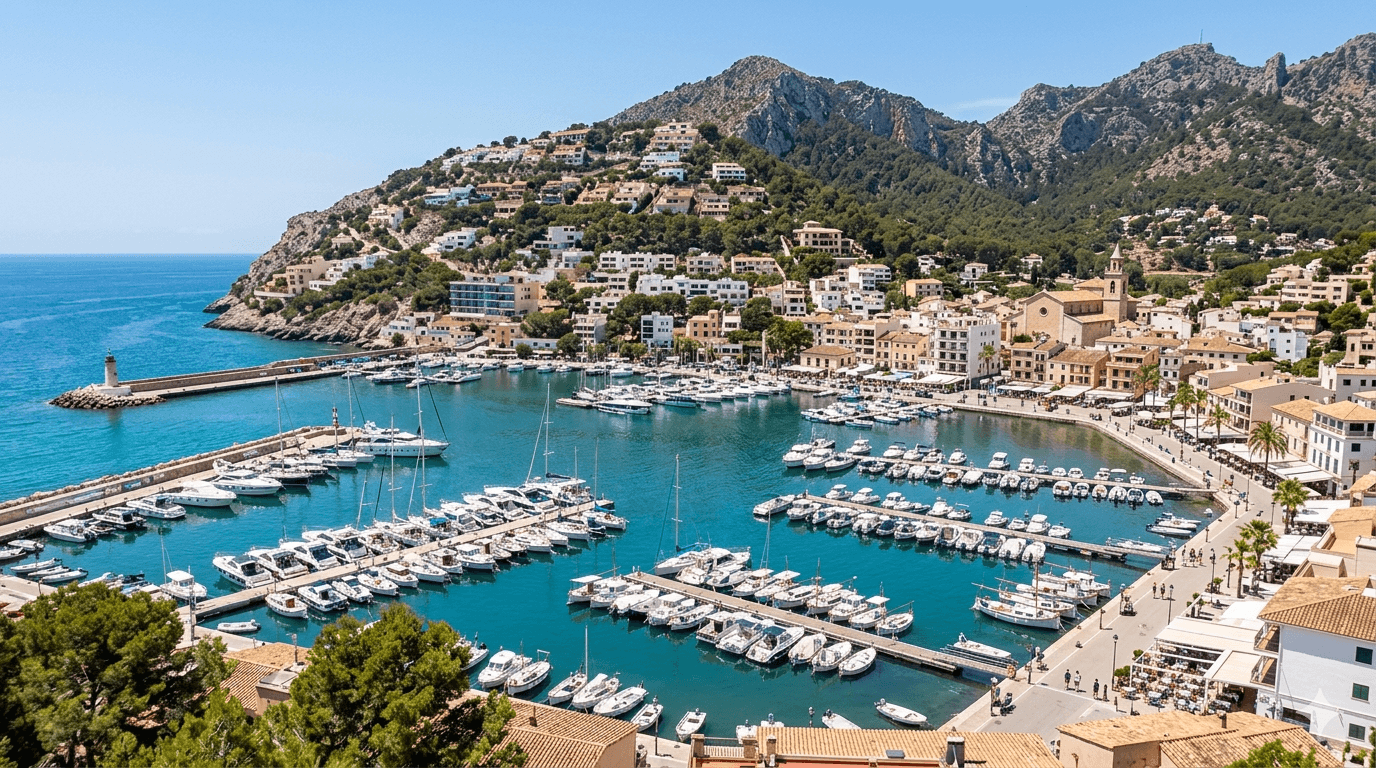
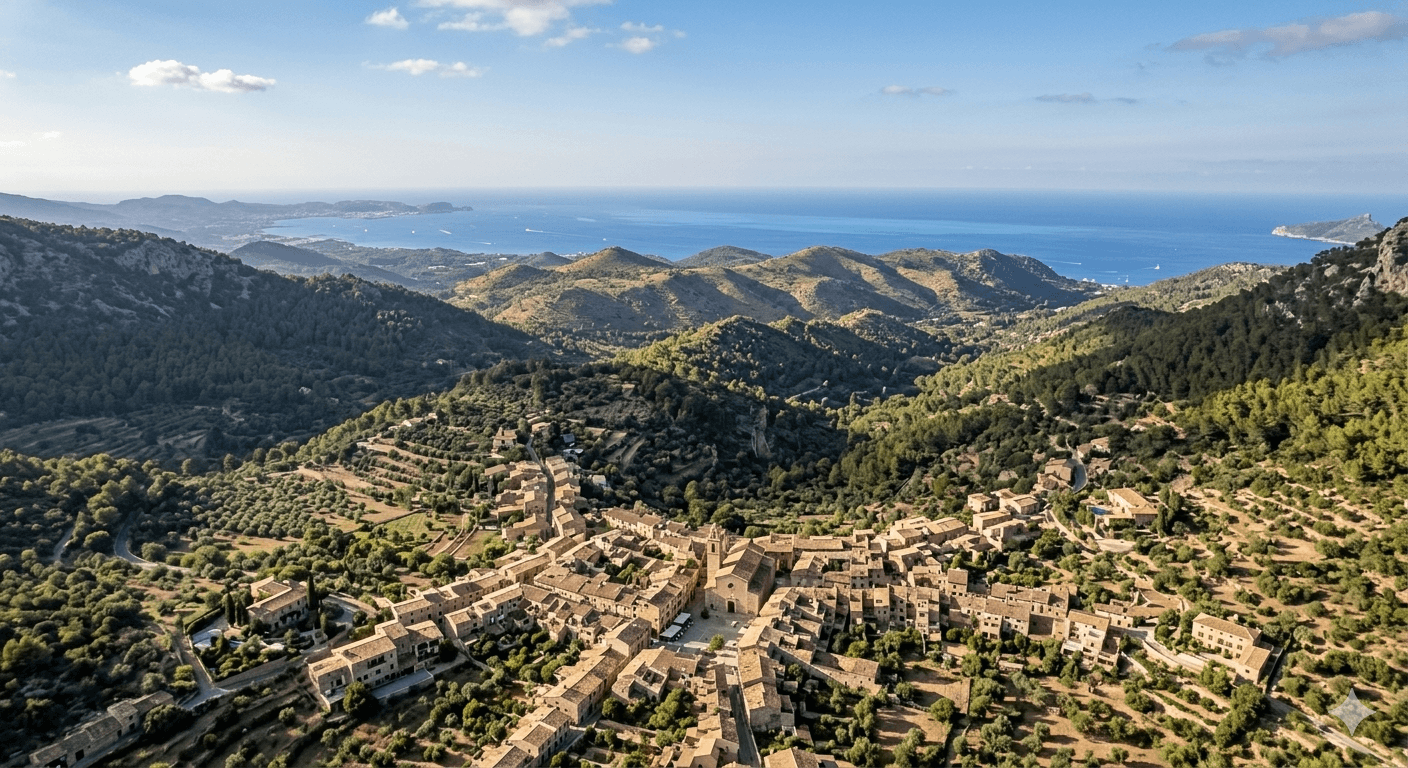
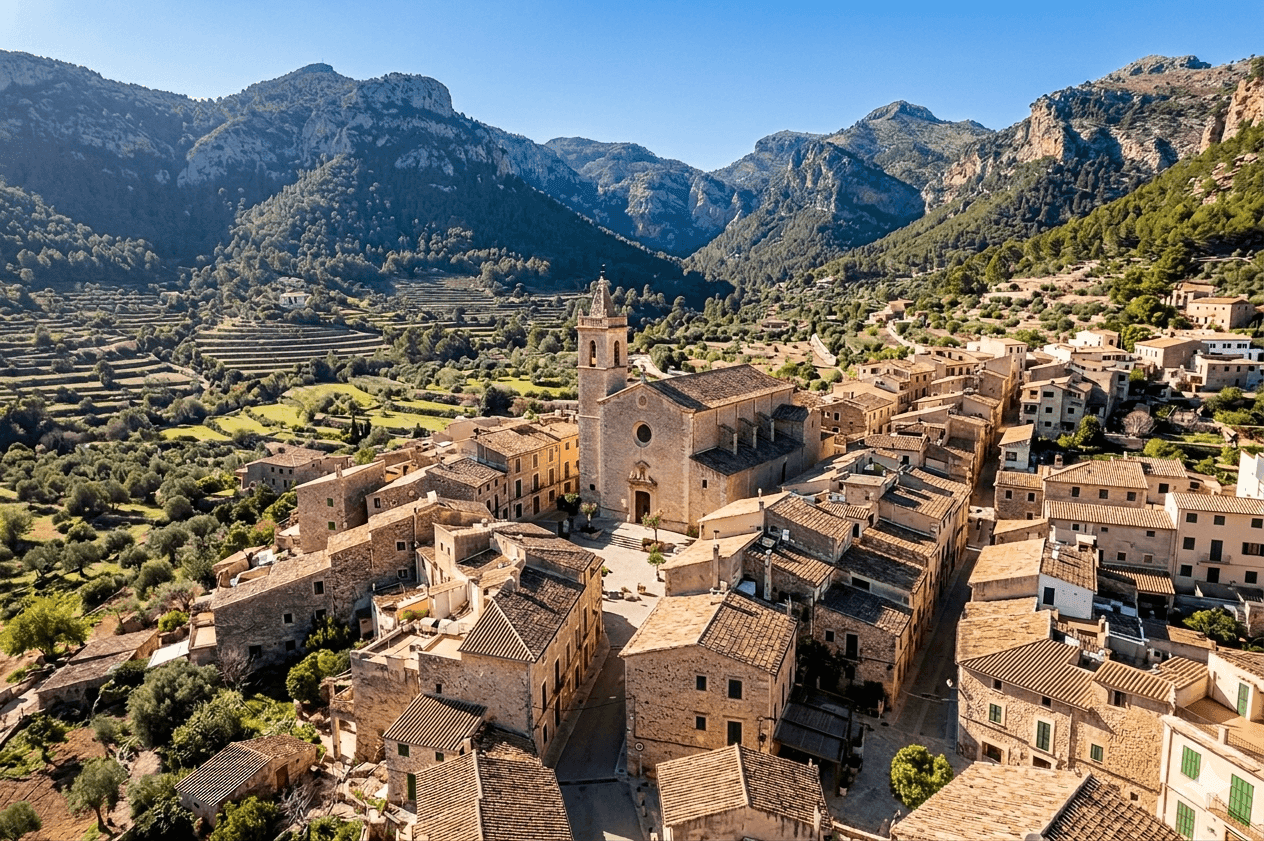
Andratx town in Mallorca is one of the most consistently driven-through and least-stopped-in places in the entire southwest — and that is a genuine loss for the thousands of residents and visitors who pass through it every week on the way to the port. The town sits on the inland side of the Andratx valley, three kilometres from Port d'Andratx up a road that climbs through orange and almond groves before arriving at a hilltop settlement of golden stone houses, a large Gothic church, a covered market hall and the unhurried tempo of a Mallorcan agricultural town that has existed on this site since at least the 13th century. It is entirely different in character from the harbour below it, and the two together form a single municipality of unusual richness — the glamorous maritime front and the working inland town behind it, each complete in itself and each better understood in the context of the other. For residents of the southwest, spending a morning in Andratx town rather than driving straight to the port is one of those small adjustments that fundamentally changes your understanding of the corner of the island you have chosen to live in.
The History and the Defensive Position
Andratx's position inland from the coast is not accidental — it is a direct consequence of the piracy that made medieval Mediterranean coastal settlement genuinely dangerous. The Andratx valley opens to the south through the bay that Port d'Andratx now occupies, and through the 16th and 17th centuries the threat of Barbary corsair raids from North Africa was sufficiently consistent to drive the permanent population away from the coast and inland to a position more easily defended. The town that developed on the valley's inland hillside has the defensive logic of its period written into its layout — narrow streets that channelled attackers, thick stone walls, the church of Santa Maria at the highest point serving as a refuge of last resort.
The threat that shaped Andratx's physical form also shaped the episode that the neighbouring town of Sóller celebrates annually in its famous Es Firó festival — the 1561 pirate attack in which local women famously defended their homes against Moorish raiders. Andratx experienced similar pressures through the same period, and the watchtower at the edge of the municipality and the tight defensive street plan of the old town carry the same historical memory in stone. Walking the narrow streets of the old Andratx town centre with this context in mind gives the place a depth that its modest tourist profile does not immediately suggest.
The Wednesday Market
The Wednesday morning market in Andratx is one of the genuinely worthwhile weekly markets in the southwest of Mallorca, operating in and around the town's covered market hall and spilling into the adjacent streets and squares. It is not primarily a tourist market — the produce stalls that form the core of the Andratx Wednesday market are oriented toward the resident population of the municipality, which gives them a character and pricing that the coastal resort markets generally cannot match.
The local produce on offer reflects the agricultural character of the Andratx valley: citrus fruits from the orange groves that cover the lower valley floor, almonds from the hillside orchards that turn white with blossom in February, local honey, dried herbs, seasonal vegetables and the bread and pastries from the town's own bakeries. Alongside the produce market, the Wednesday market supports a range of craft, clothing and general goods stalls that serve the practical shopping needs of a working Mallorcan town rather than the souvenir requirements of a tourist economy. The prices are accordingly more reasonable than the equivalent market at Santa Ponsa or Palmanova, and the atmosphere is more genuinely local — the market as a weekly social occasion for the community rather than as a retail experience designed for visitors.
The practical logistics of the Wednesday market are straightforward. Arrive before 10am to find parking in the streets around the market hall — later arrivals will find the town increasingly full and the best produce already sold. The market winds down by early afternoon. The cafes and bars around the market square operate through the morning serving coffee, pa amb oli and the informal social function of a market day in a small Mallorcan town. A morning at the Andratx Wednesday market, concluded with a short walk through the old town streets and a coffee in the main square, is a genuinely pleasant two hours that costs almost nothing and reveals a dimension of Mallorcan life that the coastal resort economy cannot provide.
The Artists' Colony — Why Andratx Has Been a Creative Address for Decades
Andratx has been a magnet for artists, sculptors and creative figures since the mid-20th century, drawn by the combination of the dramatic landscape, the quality of light, the low cost of living relative to Palma and the kind of community character that allows creative work to happen without the distraction of a tourist-oriented social economy. The visual landscape of the Andratx valley — the orange grove floor, the pine and olive hillsides rising to the limestone Tramuntana faces above, the sea visible through the gap between the cliffs at the valley mouth — has been painted, photographed and sculpted by successive generations of local and international artists whose work now hangs in private collections across Europe.
The Centre Cultural Andratx, housed in a renovated 19th-century property on the edge of the town, is the institutional expression of this creative tradition — an exhibition and cultural centre that has presented international contemporary art alongside local and regional work since it opened, and that gives the town a cultural credibility disproportionate to its scale. The centre's programme of temporary exhibitions, workshops and cultural events runs year-round and provides a genuinely interesting cultural destination for southwest residents who want something beyond the coastal lifestyle. Checking the programme at centreculturalsiandratx.cat before any visit is worthwhile — the quality of the exhibitions is consistently higher than most visitors expect from a town of this size.
Beyond the Centre Cultural, the artists' presence in Andratx expresses itself in the galleries, studios and workshops scattered through the old town streets and the surrounding countryside. The concentration of creative businesses in the municipality — graphic designers, architects, ceramicists, painters, photographers — gives the town an informal creative energy that is palpable in the cafes and bars of the main square, where the conversation at the adjacent table is as likely to be about a current exhibition as about the price of almonds.
The Valley, the Orange Groves and the Landscape
The Andratx valley is one of the most beautiful agricultural landscapes in southwest Mallorca and one of the least visited precisely because the road through it is generally traversed as a transit route rather than a destination in its own right. The valley floor between Andratx town and Port d'Andratx is carpeted with orange and lemon groves whose fruit is visible on the trees from November through March and whose blossom fills the road with scent in February and March. The groves are irrigated by an ancient water distribution system of stone channels and cisterns that has been maintained continuously since the Moorish period of the island's history, and the pattern of cultivation on the valley floor — orderly rows of citrus trees between dry-stone terrace walls — is one of the most distinctively Mallorcan landscapes visible from an accessible road anywhere in the southwest.
The hillsides above the valley on both sides carry the pine and olive woodland that covers most of the Andratx municipality's interior terrain, rising to the limestone faces of the Sierra de Tramuntana at the northern edge of the valley. The combination of the cultivated floor, the wooded hillsides and the sea visible at the southern end produces a landscape that rewards slow travel — the road between Andratx town and Port d'Andratx, driven at a speed that allows looking rather than simply passing, is one of the more quietly beautiful short drives in the southwest.
Eating in Andratx Town — Restaurants for Residents
The restaurant and bar scene in Andratx town is oriented toward its resident community rather than toward tourism, which gives it a character that coastal resort dining generally lacks — honest cooking at sensible prices in rooms designed for people who eat there regularly rather than once. The restaurants in and around the main square serve Mallorcan and Spanish food in the straightforward register of a working town rather than the aspirational register of a destination restaurant, and the quality of ingredients — local produce from the valley market, fresh fish from the weekly Port d'Andratx catch — is consistently good.
The evening aperitivo culture in Andratx is genuine rather than performed. The bars around the main square fill in the early evening with a mix of local residents, the working population of the municipality's administrative offices and the creative community that has made the town its base — and the conversation that results from this social mixing is a reminder that Andratx is, in the best sense, a functioning town rather than a lifestyle backdrop. For southwest residents who have grown accustomed to the restaurant and bar culture of the coastal resort zone, an evening in Andratx town is a pleasant reorientation toward a version of Mallorcan social life that requires no performance and no pretension.
Combining Andratx Town and Port d'Andratx in a Day
The most rewarding way to experience both dimensions of the Andratx municipality is a day that begins in the town and ends at the port. Arrive at the Wednesday market by 9am, spend an hour at the market and the surrounding streets, take coffee in the main square, visit the Centre Cultural if an exhibition is running, then drive the three kilometres of orange grove road down to Port d'Andratx for lunch at one of the waterfront restaurants and an afternoon on the water or at the sailing club. The contrast between the two — the inland agricultural town of stone and shadow and the open harbour of light and water below it — gives the municipality a richness that neither location provides alone. This is the version of Andratx that the residents of the southwest who know it best tend to experience, and it is significantly better than either the marina or the town alone.
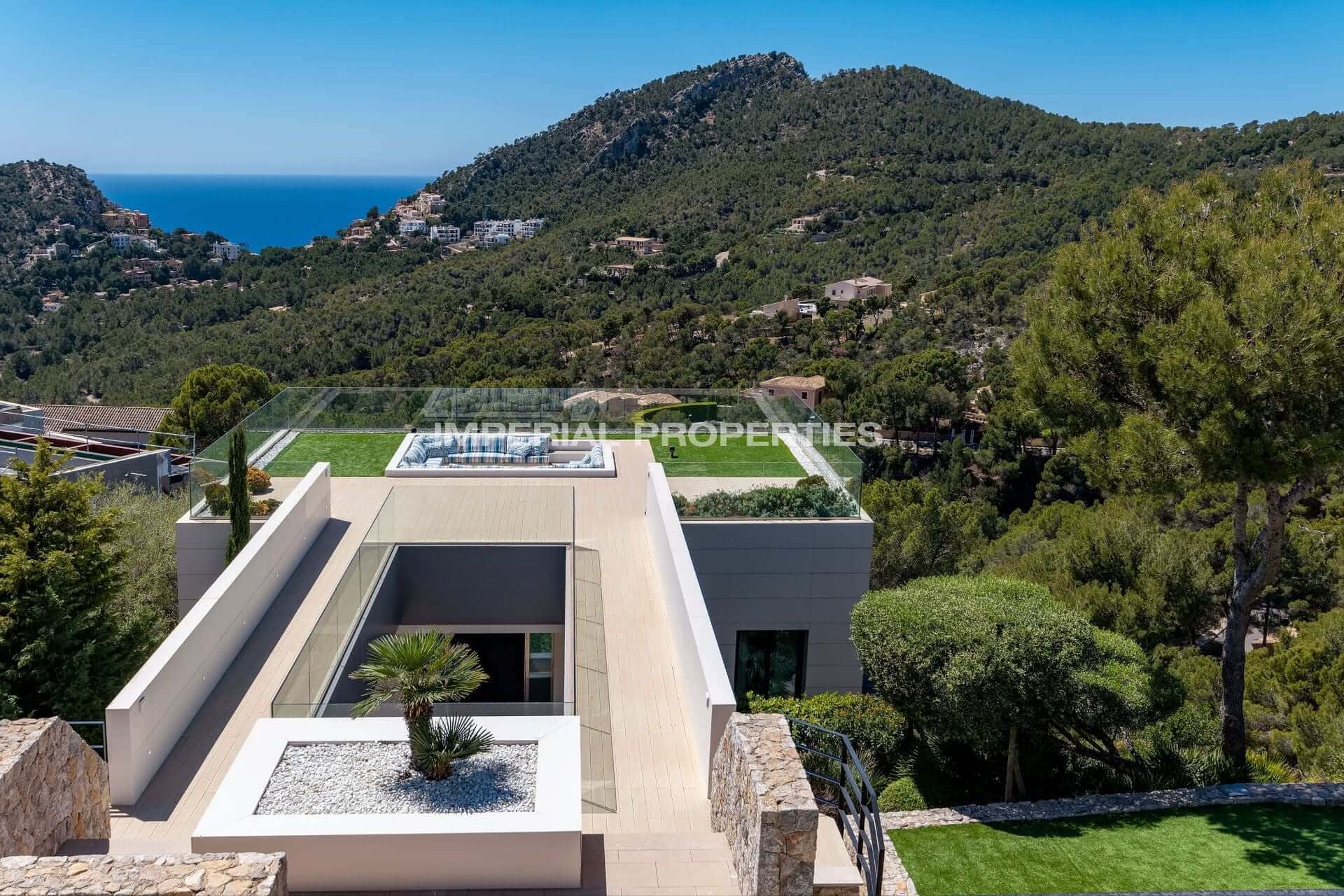
View our exceptional three-villa compound above Port d'Andratx
See all our properties for sale in Andratx Town