Table of Contents
Mallorca Summer Fiestas 2026: Nit de Sant Joan, Sant Pere and Sant Jaume
Mallorca's summer fiestas calendar in 2026 contains three celebrations in quick succession that are among the most genuinely Mallorcan experiences available to residents and visitors between now and mid-July. The Nit de Sant Joan on 23 June fills every beach on the island with bonfires and fireworks in the most spectacular midsummer celebration in the Mediterranean. The Festes de Sant Pere on 29 June honours the patron saint of fishermen with maritime processions, decorated boats and harbourside festivities in port towns across the island. And the Festes de Sant Jaume in Calvia town in the third week of July brings the patron saint celebration of the municipality that governs Santa Ponsa, Portals Nous, Palmanova and Peguera to the hilltop village that has been the area's administrative heart for centuries. Three events, three very different experiences, all within the next six weeks and all within an hour of the southwest coast.
Nit de Sant Joan — 23 June: Mallorca's Night of Fire
The Nit de Sant Joan — the Night of Saint John — is celebrated on the evening of 23 June across the whole of Mallorca simultaneously, and nothing quite prepares first-time witnesses for the scale of what happens. As darkness falls, bonfires are lit on beaches, in town squares and on promenades across the entire island. Fireworks fill the sky over Palma's seafront in one of the most spectacular displays of the year. In every coastal town and village, people gather around fires to celebrate the summer solstice — the shortest night of the year — in a tradition that predates Christianity and carries the weight of thousands of years of Mediterranean midsummer ritual beneath its modern festive surface.
The origins of Sant Joan night lie in the ancient European tradition of midsummer fire — the lighting of bonfires to mark the solstice, to cleanse the air of the old season and to welcome the abundance of summer. The Christian church absorbed the date by assigning it to the birth of John the Baptist, whose feast day falls on 24 June, but the fire rituals are older and carry a different energy from the purely religious celebrations that the name suggests. In Mallorca, as across Spain and the wider Mediterranean, the night of Sant Joan is primarily a night of collective joy — families, friends and communities gathered around fire on the beach, eating, drinking and watching the sky fill with light.
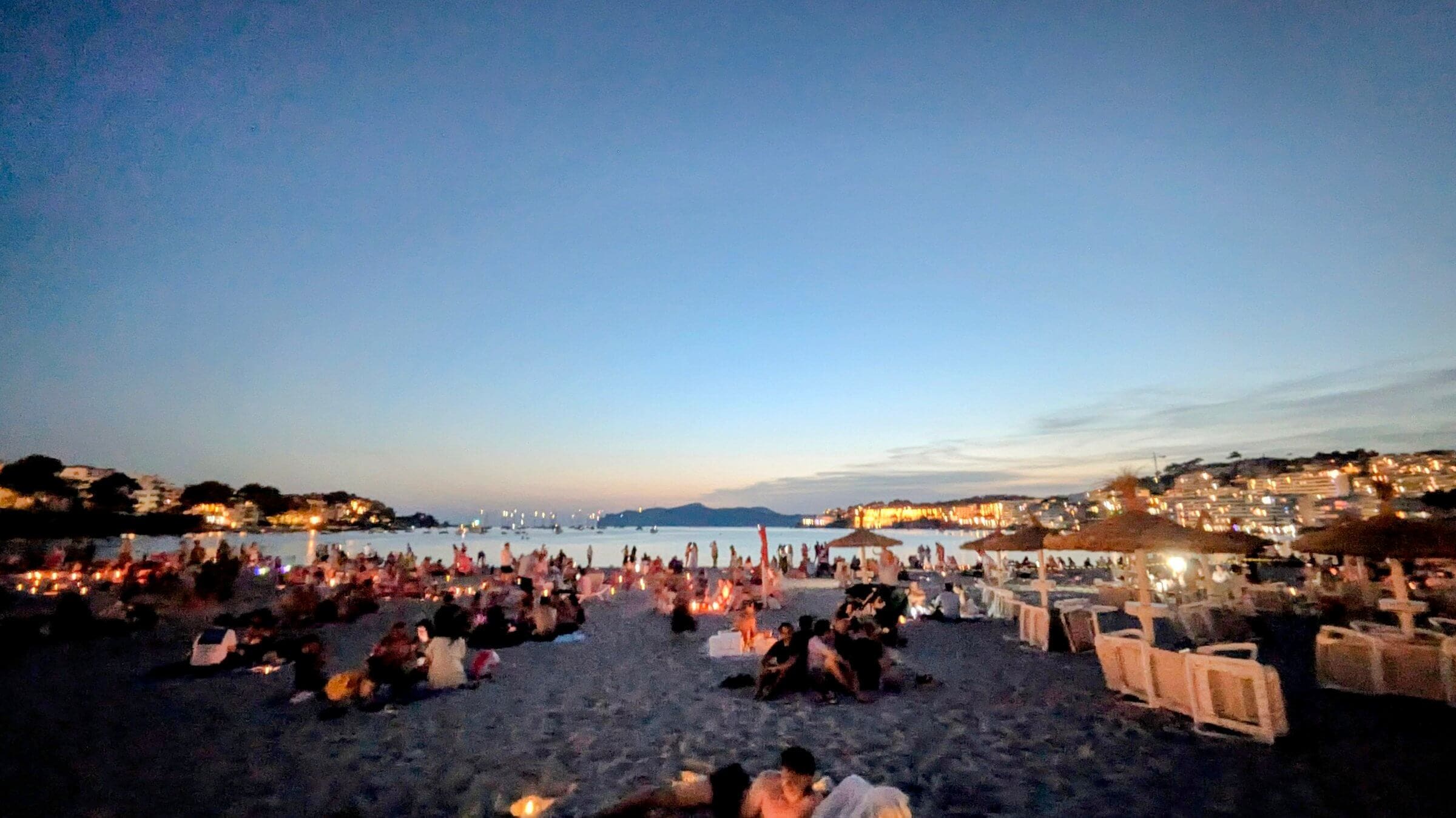
The tradition of jumping over the bonfire is central to Sant Joan night — it is said to bring good luck and cleansing for the year ahead, and the sight of people queuing to jump the flames at midnight, some hesitant, some spectacular, is one of the more endearing aspects of a night that could otherwise tip into pure spectacle. The beaches of Santa Ponsa and Peguera are the traditional gathering points for the southwest community — fires are lit on the beach from around 10pm and the night builds through music, dancing and the steady arrival of more people until the fireworks begin and the jumping starts around midnight. The atmosphere is warm, communal and entirely inclusive — there is no ticketing, no entrance fee and no dress code. You simply arrive, find a spot near a fire and join in.
In Palma, the Nit de Foc — the Night of Fire — adds the city's own spectacular dimension to the island-wide celebration. The fireworks display over the seafront and the Parc de la Mar is one of the finest in Spain, and the spectacle of the display reflected in the moat of the Bellver Castle and across the Bay of Palma is genuinely extraordinary. The old town's squares fill with people from early evening, the restaurants and bars of the Santa Catalina neighbourhood run at full capacity, and the whole city has the particular energy of a place celebrating something it genuinely believes in rather than simply performing for visitors.
For residents of Santa Ponsa and the surrounding southwest communities, the practical advice for Sant Joan night is simple: go to the beach, take a blanket, bring food and drink to share, and plan to stay late. The night builds slowly and reaches its peak well after midnight. The beaches at Santa Ponsa, Paguera and along the Palmanova seafront are all active Sant Joan celebration points and all within comfortable distance of the main southwest residential areas. The Palma celebrations are worth the drive for anyone who has not seen the full Nit de Foc display — leaving around 10pm from Santa Ponsa gives you time to find a good position along the Palma seafront before the fireworks begin.
Festes de Sant Pere — 29 June: The Festival of the Fishermen
The Festes de Sant Pere, celebrated on 29 June in port towns across Mallorca, are among the most genuinely beautiful and least touristy celebrations on the island's calendar. Sant Pere — Saint Peter — is the patron saint of fishermen, and the maritime communities of Mallorca have honoured him for centuries with processions on the water, the blessing of the fishing fleet and the particular kind of fiesta that a community built around the sea generates when it stops working and starts celebrating.
The most spectacular Sant Pere celebrations in 2026 take place in Port d'Alcúdia, Port de Pollença, Colònia de Sant Pere and Port d'Andratx, all confirmed in the official Mallorca events programme. In each port, the celebration follows a similar pattern: decorated fishing boats — dressed with flowers, banners, lights and the traditional colours of the fleet — process out of the harbour in formation, often carrying the image of Sant Pere, while the quayside fills with spectators, music and the smell of fresh seafood from the stalls and restaurants that operate for the occasion. The maritime procession is followed by fireworks over the water and an evening of dancing, live music and communal eating that continues well into the night.
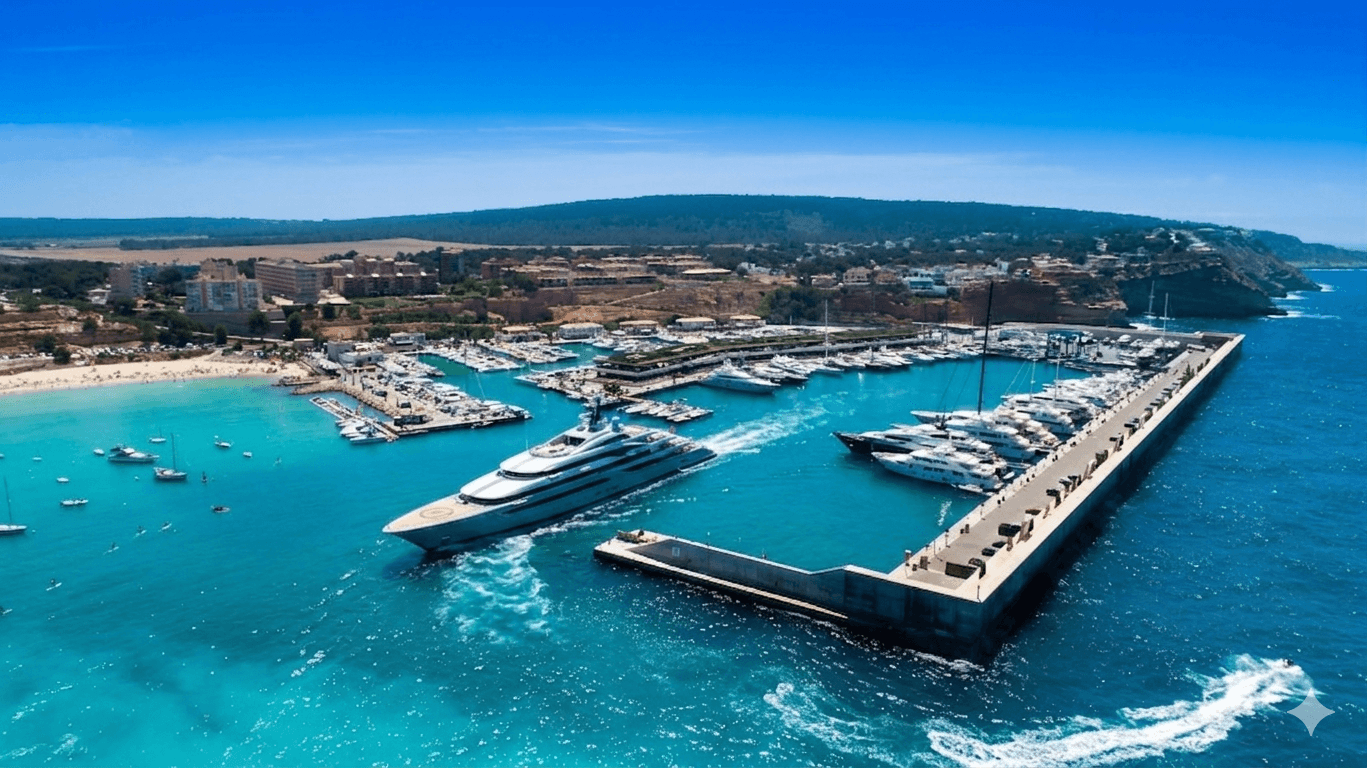
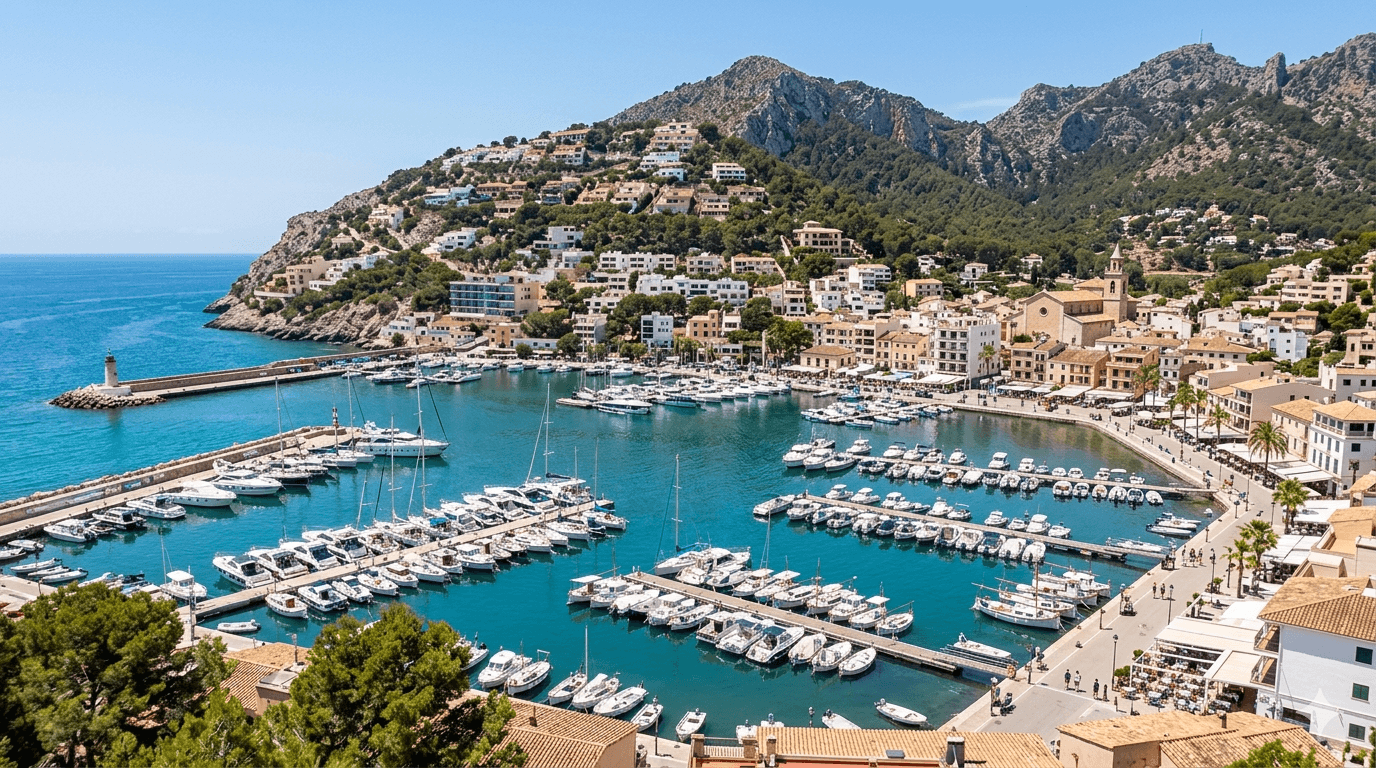
Port d'Andratx is the Sant Pere celebration closest to the southwest residential community — approximately thirty minutes from Santa Ponsa by car — and it is one of the finest. The natural drama of the Port d'Andratx bay, with its high cliffs and the boats of the fishing fleet and the superyacht anchorage sharing the same water, gives the maritime procession a setting that is hard to match anywhere on the island. The clifftop restaurants of Port d'Andratx are worth booking for the evening of 29 June — watching the illuminated boats process across the bay from a terrace above the port is one of those Mallorca experiences that earns its place in the memory.
Port de Sóller, while further from the southwest, adds its own dimension to Sant Joan and Sant Pere — the double celebration in the Sóller valley in late June gives visitors who make the effort to travel north the experience of both festivals in the same weekend. The Sóller Sant Pere festivities include live music concerts on the main quay of the port after the maritime procession, and the combination of the tram ride from Sóller town to the port through the orange groves and the evening fiesta at the water's edge makes for a day that is difficult to match anywhere in Mallorca.
Festes de Sant Jaume — Calvia Town: The Southwest's Own Patron Saint Festival
The Festes de Sant Jaume in Calvia town take place in the third week of July and represent something that many southwest residents have never attended despite living within twenty minutes of the venue: the patron saint festival of the municipality that governs their daily life. Calvia town — the hilltop village set back from the coast in the valley between Santa Ponsa and the Tramuntana foothills — is the administrative capital of the Calvia municipality, the local authority responsible for Santa Ponsa, Portals Nous, Palmanova, Magaluf, Peguera and the entire southwest coastline. Sant Jaume is the patron saint of Calvia, and his festival is the town's most important annual celebration.
The programme for the Festes de Sant Jaume typically runs across a week in mid-July and includes a combination of elements that reflects the dual character of the municipality — traditional Mallorcan cultural events alongside contemporary entertainment that serves the international resident community as well as the local population. The ball de bot — traditional Mallorcan folk dancing — is a fixture of the programme, performed by local groups in the town square in an authentic expression of the island's folk tradition that is quite distinct from the staged versions sometimes presented for tourist audiences. The correfoc — fire run — brings groups of devils and dragons trailing fire and fireworks through the streets of the village in the spectacular display of controlled pyrotechnic chaos that is the most viscerally exciting element of any Mallorcan fiesta. Live music concerts, children's activities, a giants' parade and the communal meals that are the social foundation of every Mallorcan patron saint festival complete a programme that runs through the week at a pace that suits the July heat.
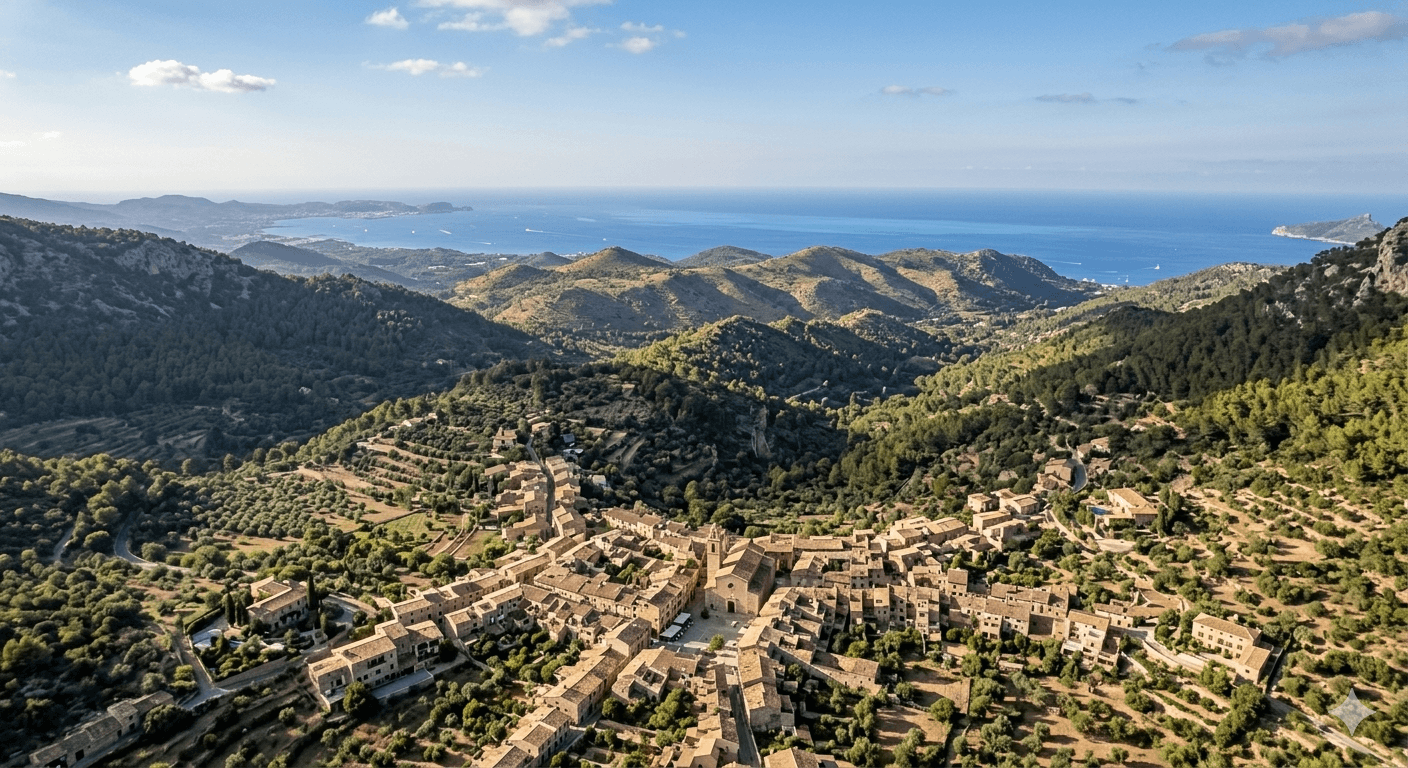
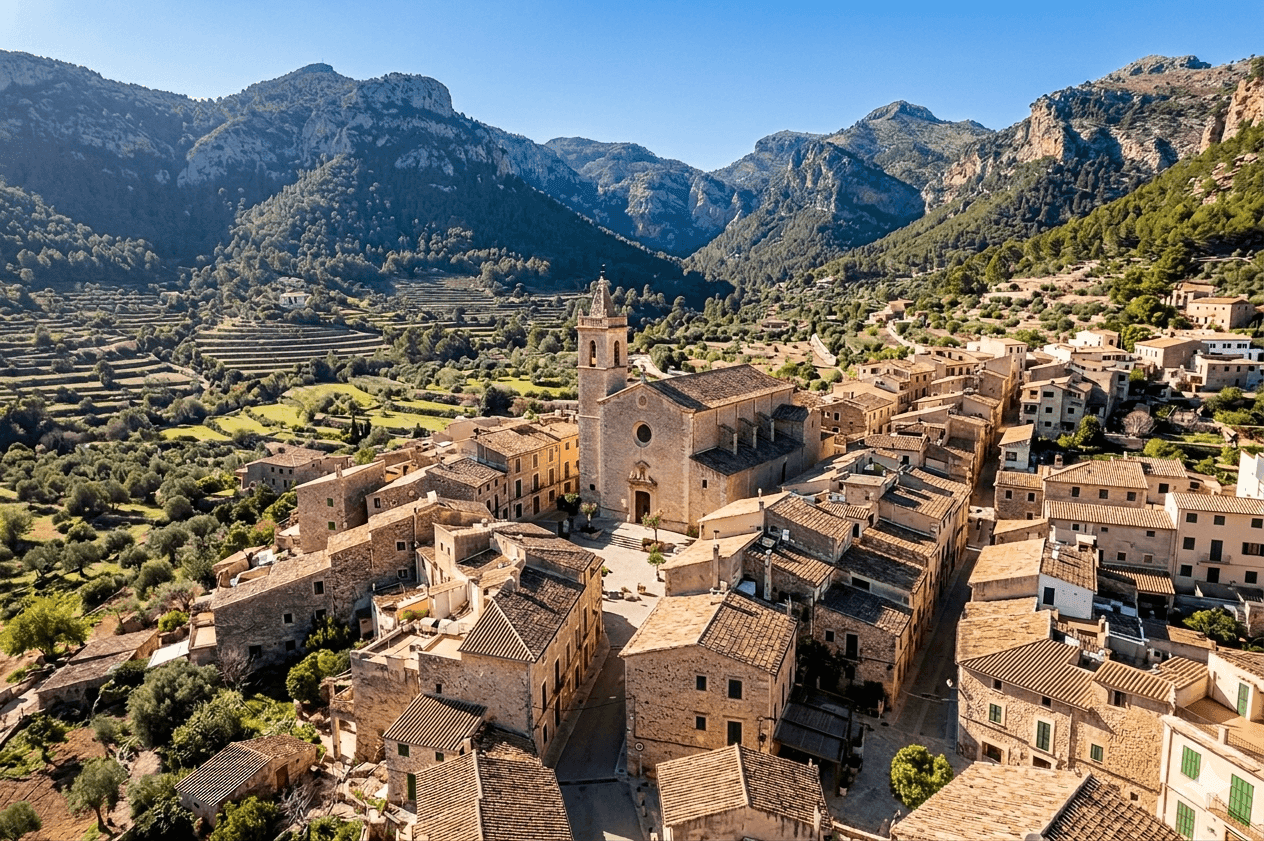
Calvia town itself is worth the visit independently of the festival — a well-preserved stone village with a handsome Gothic church, narrow streets of traditional Mallorcan architecture, a small selection of local restaurants and tapas bars and the particular unhurried quality of a place that has never needed to market itself to tourists because its residents have always been sufficient audience for its pleasures. The Monday market in the village square draws a mix of local residents, cyclists doing the valley loop and international residents from across the southwest who have discovered that the Calvia Monday market has a character quite different from the coastal resort markets. The drive from Santa Ponsa to Calvia village takes approximately fifteen minutes via the Ma-1015, making it one of the more easily overlooked day trips from the coast that residents consistently describe as one of the better ones once they make it.
Planning Your Fiesta Summer
The three festivals described here give southwest Mallorca residents a concentrated fiesta calendar across six weeks that moves from the spectacle of Sant Joan night through the maritime beauty of Sant Pere to the communal warmth of the Calvia patron saint celebration. Each is free to attend. None requires a ticket or reservation to experience the main programme. Each reflects a different dimension of Mallorcan cultural life — the pan-island midsummer ritual of Sant Joan, the maritime identity of Sant Pere and the hilltop village community of Calvia's own Sant Jaume. Together they provide the kind of cultural depth that makes living in the southwest something more than a lifestyle choice and something closer to membership of a genuinely layered community.
Browse properties in Santa Ponsa and Nova Santa Ponsa
See all our properties for sale in Mallorca