CELESTIAL MALLORCA: CAPTURING THE MAGIC OF FEBRUARY SUNSETS AND SUNRISES
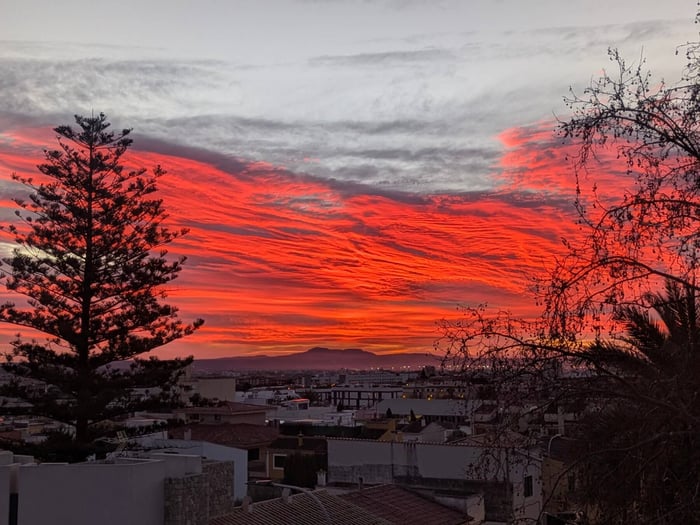
While Mallorca is world-renowned for its crystalline summer waters and vibrant beach clubs, those who call the island home year-round know that its true aesthetic peak occurs during the month of February. As the winter chill begins to soften and the island is blanketed in the delicate white and pink of almond blossoms, the Balearic sky undergoes a dramatic transformation. In late February, the atmosphere possesses a particular clarity. The lack of summer humidity and haze creates a canvas where the colors of the sunrise and sunset are more vivid, the silhouettes of the Tramuntana mountains sharper, and the light more ethereal than at any other time of year.
For our community at Imperial Properties, February is the season of the "Golden Hour." The sun, still riding lower in the sky, casts long, dramatic shadows that accentuate the architectural details of the island’s historic fincas and modernist townhouses. Whether it is the first light of dawn creeping over the eastern bays of Alcúdia or the final embers of day sinking into the western Mediterranean, the celestial show is a daily reminder of why this island remains the jewel of the Mediterranean. To witness a February sunset here is to see the landscape painted in hues of violet, burnt orange, and soft gold—a visual symphony that defines the luxury of slow living.
The Iconic Horizon: Sa Foradada
Perhaps the most legendary location for sunset seekers is Sa Foradada. Situated on the rugged western coastline between Valldemossa and Deià, this iconic rock formation with its famous "hole" provides a perspective that is nothing short of theatrical. In late February, the sun sets in a prime position directly over the sea, casting a shimmering bridge of light across the water toward the cliffs of Son Marroig.
Imperial Insider Tip: Because Sa Foradada is so well-known, it can become incredibly busy even in the quieter months. To secure a parking spot at the Son Marroig area and claim a prime viewing position, we recommend arriving at least an hour before the scheduled sunset. It is roughly a 35 to 40-minute drive from Palma city centre. At the top, there is a bar and restaurant where you can order a refreshing drink to accompany the view. However, if you intend to dine while the sky transforms, booking a table in advance is absolutely essential, as this is one of the most sought-after reservations on the island.
A Hidden Sanctuary: Torre de Cala en Basset
For those who prefer a more private and active experience, the Torre de Cala en Basset offers a sense of rugged exclusivity. Located on the outskirts of the charming fishing village of Sant Elm, this historical watchtower serves as a silent sentinel over the Dragonera Island. The experience here begins with the journey; reaching the tower requires a moderate hike of approximately 25 to 30 minutes through pine-scented trails. This physical immersion into the Mallorcan wilderness adds a layer of reward to the visual spectacle that follows.
Upon arrival, you are greeted by one of the most unobstructed views in the southwest. The tower itself can be climbed via an internal ladder for those with a sense of adventure, providing an elevated 360-degree panorama. Alternatively, many visitors choose to simply walk down the smooth rocks toward the water's edge, finding a natural stone seat to watch the sun dip behind the silhouette of Dragonera. Because it is less accessible than the roadside viewpoints, Cala en Basset remains a sanctuary for those seeking a quiet moment of reflection away from the crowds.
The Terraced Beauty of Banyalbufar
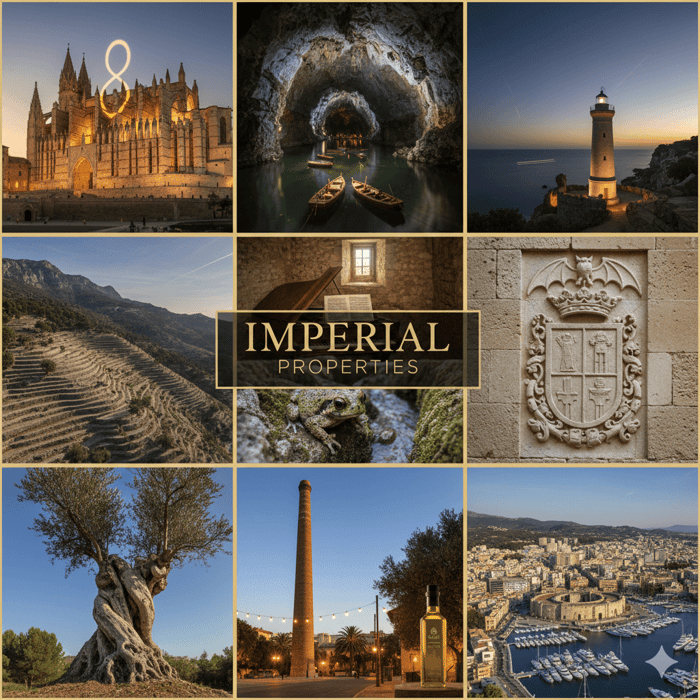
Moving further north along the coast, we find the village of Banyalbufar, a name derived from the Arabic meaning "built by the sea." This village is world-famous for its ancient dry-stone terraces that cascade down the mountainside toward the Mediterranean. In February, these terraces—originally used for the cultivation of Malvasia grapes—capture the late afternoon light in a way that highlights the immense human effort used to shape this UNESCO-protected landscape.
A visit to Banyalbufar for sunset is a multi-sensory experience. We suggest arriving early enough to wander through the quaint, narrow streets of the town, where you can find several traditional bars and restaurants offering local Malvasia wine. After a drink in the village, take the winding walk down toward the front and the beach (Cala Banyalbufar). From this vantage point, the sunset feels intimate and grounded. The sound of the waves hitting the pebbles combined with the orange glow reflecting off the stone terraces creates an atmosphere of timelessness. It is widely considered by locals to be one of the premier viewpoints on the island, offering a perfect blend of architectural heritage and natural beauty.
Why the Light Matters for Property
At Imperial Properties, we often discuss "orientation" as a technical detail, but in February, orientation becomes an experience. A south-west facing property in the Tramuntana region isn't just a home; it's a private box for the greatest show on earth. The way the late winter sun hits a stone facade or floods a contemporary living room with warmth is a key factor in the enduring value of Mallorcan real estate. As the days begin to lengthen—gaining over two minutes of light every day this month—the anticipation of spring is palpable. We invite you to step outside this week, head to the coast, and witness the celestial beauty that makes Mallorca incomparable.
Frequently Asked Questions: February Sunsets
What time does the sun set in Mallorca during late February?
Typically, the sunset occurs between 18:25 and 18:40 during the latter half of February. We recommend checking a local weather app for the exact minute each day.
Is it safe to hike to Torre de Cala en Basset for sunset?
Yes, the trail is well-marked. However, since you will likely be walking back after the sun has set, it is essential to carry a torch or ensure your phone has sufficient battery for its flashlight.
Can I drive all the way down to Cala Banyalbufar?
Parking near the beach is very limited. It is best to park in the village of Banyalbufar and enjoy the scenic walk down to the water.
MALLORCA CELESTIAL: CAPTURANDO LA MAGIA DE LOS AMANECERES Y ATARDECERES DE FEBRERO
Aunque Mallorca es mundialmente conocida por sus aguas cristalinas de verano y sus vibrantes clubes de playa, quienes llaman a la isla su hogar durante todo el año saben que su verdadero apogeo estético ocurre durante el mes de febrero. A medida que el frío del invierno comienza a suavizarse y la isla se cubre con el delicado blanco y rosa de los almendros en flor, el cielo balear experimenta una transformación dramática. A finales de febrero, la atmósfera posee una claridad particular. La falta de humedad y calima estival crea un lienzo donde los colores del amanecer y el atardecer son más vívidos, las siluetas de la Sierra de Tramuntana más nítidas y la luz más etérea que en cualquier otra época del año.
Para nuestra comunidad en Imperial Properties, febrero es la temporada de la "Hora Dorada". El sol, que aún viaja bajo en el cielo, proyecta sombras largas y dramáticas que acentúan los detalles arquitectónicos de las fincas históricas y las casas modernistas de la isla. Ya sea la primera luz del alba asomando por las bahías orientales de Alcúdia o las últimas brasas del día hundiéndose en el Mediterráneo occidental, el espectáculo celestial es un recordatorio diario de por qué esta isla sigue siendo la joya del Mediterráneo. Presenciar un atardecer de febrero aquí es ver el paisaje pintado en tonos violeta, naranja quemado y oro suave.
El Horizonte Icónico: Sa Foradada
Quizás el lugar más legendario para los buscadores de atardeceres es Sa Foradada. Situada en la escarpada costa occidental entre Valldemossa y Deià, esta icónica formación rocosa con su famoso "agujero" ofrece una perspectiva teatral. A finales de febrero, el sol se pone en una posición privilegiada directamente sobre el mar, proyectando un puente de luz brillante hacia los acantilados de Son Marroig.
Consejo de Imperial: Al ser tan conocida, Sa Foradada puede estar muy concurrida incluso en los meses más tranquilos. Para asegurar una plaza de aparcamiento en la zona de Son Marroig y conseguir un buen sitio, recomendamos llegar al menos una hora antes del atardecer. Está a unos 35-40 minutos en coche del centro de Palma. En la parte superior hay un bar y restaurante; sin embargo, si desea cenar mientras el cielo se transforma, es imprescindible reservar con antelación.
Un Santuario Oculto: Torre de Cala en Basset
Para quienes prefieren una experiencia más privada y activa, la Torre de Cala en Basset ofrece una sensación de exclusividad rústica. Situada a las afueras del encantador pueblo pesquero de Sant Elm, esta torre de vigilancia histórica sirve como centinela silencioso sobre la isla Dragonera. La experiencia comienza con el trayecto; llegar a la torre requiere una caminata moderada de unos 25 a 30 minutos por senderos con aroma a pino.
Al llegar, se despliegan unas de las vistas más despejadas del suroeste. Se puede subir a la torre por una escalera interna para obtener una panorámica de 360 grados, o simplemente sentarse en las rocas junto al agua para ver cómo el sol se oculta tras la silueta de Dragonera. Al ser menos accesible que otros miradores, Cala en Basset sigue siendo un santuario para quienes buscan un momento de reflexión lejos de las multitudes.
La Belleza de las Terrazas de Banyalbufar
Siguiendo hacia el norte por la costa, encontramos el pueblo de Banyalbufar. Este pueblo es famoso por sus antiguos bancales de piedra en seco que caen en cascada hacia el mar. En febrero, estas terrazas captan la luz de la tarde de una manera que resalta el inmenso esfuerzo humano utilizado para dar forma a este paisaje protegido por la UNESCO.
Visitar Banyalbufar para el atardecer es una experiencia multisensorial. Sugerimos llegar con tiempo para pasear por sus calles pintorescas y disfrutar de una copa de vino Malvasía local. Después, baje caminando hacia el mar y la cala. Desde este punto, el atardecer se siente íntimo. El sonido de las olas sobre los guijarros combinado con el resplandor naranja sobre la piedra crea una atmósfera de atemporalidad. Es considerado por muchos residentes como uno de los mejores puntos de la isla para disfrutar del ocaso.
Preguntas Frecuentes: Atardeceres de Febrero
¿A qué hora se pone el sol en Mallorca a finales de febrero?
Generalmente entre las 18:25 y las 18:40. Recomendamos consultar una aplicación meteorológica local para la hora exacta.
¿Es seguro caminar hasta la Torre de Cala en Basset?
Sí, el sendero está bien marcado, pero es esencial llevar una linterna para el camino de vuelta tras la puesta de sol.
HIMMLISCHES MALLORCA: DER ZAUBER DER SONNENAUF- UND UNTERGÄNGE IM FEBRUAR
Während Mallorca weltweit für sein kristallklares Sommerwasser und seine lebhaften Beachclubs bekannt ist, wissen diejenigen, die die Insel das ganze Jahr über ihr Zuhause nennen, dass ihr wahrer ästhetischer Höhepunkt im Februar liegt. Wenn die Winterkälte nachlässt und die Insel in das zarte Weiß und Rosa der Mandelblüte gehüllt wird, erlebt der balearische Himmel eine dramatische Verwandlung. Ende Februar besitzt die Atmosphäre eine ganz besondere Klarheit. Das Fehlen der sommerlichen Feuchtigkeit schafft eine Leinwand, auf der die Farben des Sonnenaufgangs und Sonnenuntergangs lebendiger sind als zu jeder anderen Jahreszeit.
Ein ikonischer Horizont: Sa Foradada
Der wohl legendärste Ort für Sonnenuntergangsliebhaber ist Sa Foradada. Zwischen Valldemossa und Deià gelegen, bietet diese ikonische Felsformation mit ihrem berühmten „Loch“ eine fast theaterreife Kulisse. Im Februar versinkt die Sonne direkt im Meer und wirft eine glitzernde Lichtbrücke über das Wasser zu den Klippen von Son Marroig.
Imperial Insider-Tipp: Da Sa Foradada sehr bekannt ist, kann es selbst in den ruhigeren Monaten voll werden. Um einen Parkplatz bei Son Marroig zu finden, sollten Sie mindestens eine Stunde vor Sonnenuntergang ankommen. Die Fahrt von Palma dauert etwa 35-40 Minuten. Oben gibt es eine Bar und ein Restaurant; wenn Sie dort essen möchten, ist eine Reservierung unbedingt erforderlich.
Ein verstecktes Refugium: Torre de Cala en Basset
Für diejenigen, die es privater mögen, bietet der Torre de Cala en Basset bei Sant Elm rustikale Exklusivität. Um den historischen Wachturm mit Blick auf die Insel Dragonera zu erreichen, ist eine etwa 25- bis 30-minütige Wanderung durch Pinienwälder erforderlich. Dieser Weg macht das visuelle Erlebnis am Ziel noch belohnender.
Die Terrassen von Banyalbufar
Weiter nördlich liegt das Dorf Banyalbufar, bekannt für seine antiken Trockensteinmauern. Im Februar fangen diese Terrassen das späte Nachmittagslicht so ein, dass die gewaltige menschliche Arbeit, die diese UNESCO-geschützte Landschaft geformt hat, besonders hervorgehoben wird. Nach einem Glas lokalen Malvasia-Weins im Dorf empfiehlt sich der Spaziergang hinunter zum Meer, um den Sonnenuntergang in einer zeitlosen Atmosphäre zu genießen.
Häufig gestellte Fragen
Wann geht die Sonne Ende Februar unter?
Meist zwischen 18:25 und 18:40 Uhr.
Ist die Wanderung zum Torre de Cala en Basset sicher?
Ja, der Weg ist gut markiert. Nehmen Sie jedoch eine Taschenlampe für den Rückweg mit.