Table of Contents
Empadronamiento: Why Registering on the Padrón Matters Even If You're Not a Resident
Empadronamiento is one of those pieces of Spanish administration that foreign property owners either overlook entirely or discover they need at the worst possible moment. It's a separate registration from residency or citizenship, it's free, and for anyone spending meaningful time in Mallorca, it opens doors that stay firmly shut without it.
What Empadronamiento Actually Is
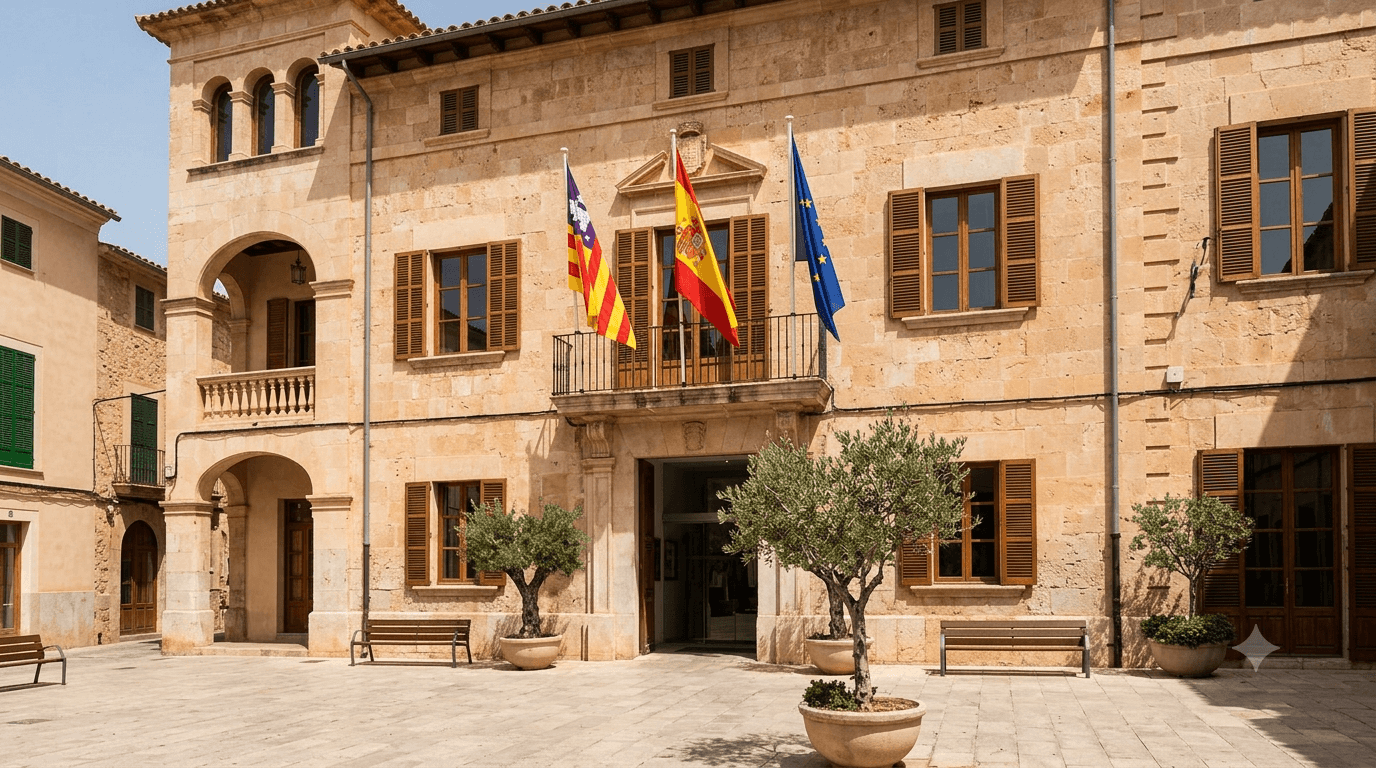
The padrón municipal is a register kept by every town hall in Spain listing everyone who lives in that municipality. Empadronarse simply means registering yourself on it. Crucially, this has nothing to do with your immigration status or Spanish tax residency; it's a record of address, not a legal residency permit. You can be empadronado in Calvià while remaining a non-resident for tax purposes, and the two systems don't automatically talk to each other.
Thinking about buying or selling in Mallorca?
What Registering Actually Unlocks
Being on the padrón is a prerequisite for a genuinely long list of things owners eventually need: enrolling children in public school, accessing the Convenio Especial to buy into the public health system, applying for a TIE residence card, registering a car locally, and voting in municipal elections if you're an EU citizen. Many of these processes simply won't proceed without a current certificado de empadronamiento, and it's one of those documents that's far easier to arrange calmly in advance than to chase down urgently when a school term or a health appointment is already looming.
The Balearic Resident Discount, and Why Empadronamiento Alone Isn't Enough
One of the more valuable perks tied to this registration is the Balearic resident discount, a 75% reduction on flights and ferries between the islands and mainland Spain. It's a genuinely significant saving for anyone travelling back and forth regularly. But it's worth being precise here: empadronamiento is necessary but not always sufficient on its own. For non-EU nationals, the discount generally also requires permanent or long-term residency status, not simply a temporary residence permit, alongside being registered on the padrón. EU citizens and Spanish nationals have a more straightforward path, needing only the padrón registration itself alongside valid ID. It's worth checking your specific situation rather than assuming registration alone guarantees the discount.
Who Can Register, Regardless of Status
Spanish town halls are legally obliged to register anyone who genuinely lives at an address in their municipality, regardless of nationality or immigration status. A valid passport and proof of address, such as a rental contract or the property deed, are generally sufficient. This isn't a mechanism tied to immigration enforcement, and registering carries no risk of being reported to immigration authorities; it exists purely as a population record for administrative and funding purposes.
What You'll Need to Bring
Requirements vary slightly by ayuntamiento, but the core file is consistent: a valid passport or NIE, and documentation proving you live at the address, either a rental contract, the property's escritura, or a recent utility bill in your name. Many town halls now require an appointment booked in advance rather than accepting walk-ins, so it's worth checking the specific process for Calvià or wherever you're registering before turning up in person.
Keeping It Current
Non-EU nationals without permanent residency generally need to renew their empadronamiento every two years; failing to do so can result in the town hall removing you from the register, which then complicates any immigration process relying on a continuous registration history. EU citizens and those with long-term residency don't face this renewal requirement in the same way, but it's still worth requesting an updated certificate whenever one is needed, since many institutions expect a certificate issued within the last three months rather than an older one.
The Practical Takeaway
If you're spending real time in Mallorca, whether you're planning eventual residency or simply own a property you use often, empadronamiento is worth arranging early rather than leaving until a specific need forces the issue. It's free, relatively quick, and quietly sits behind a surprising number of the practical steps that make life on the island easier.