Conquering the Tramuntana: A Hiker's Guide to Mallorca's Majestic Mountains
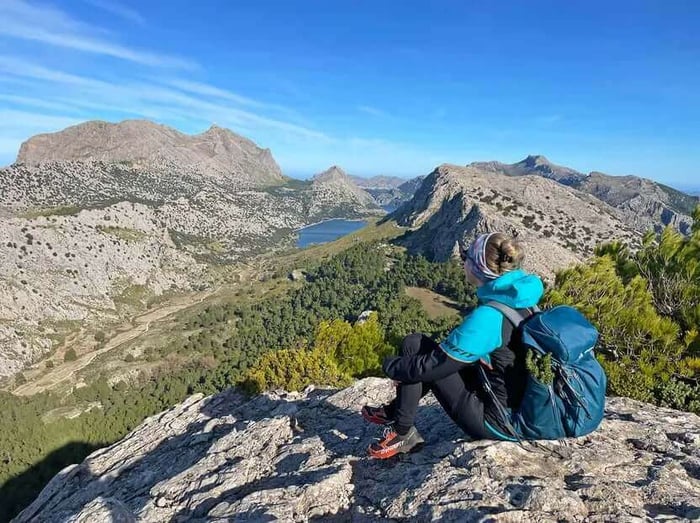
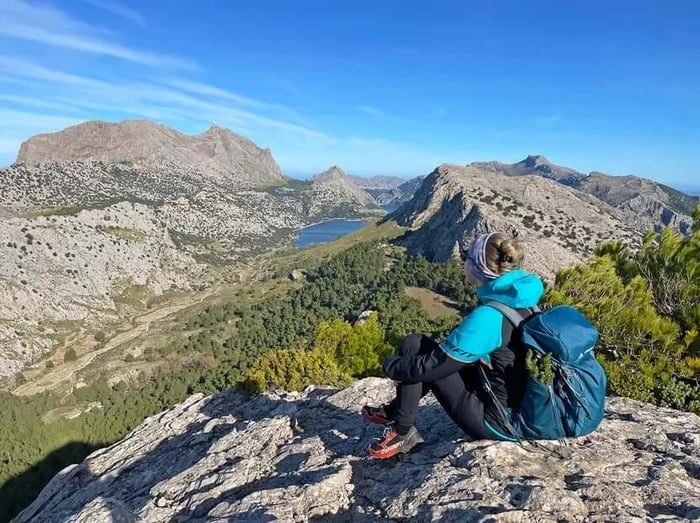
The Serra de Tramuntana, a UNESCO World Heritage site, is more than just a backdrop to Mallorca’s turquoise coastline. It is a rugged, 90-kilometer spine of limestone peaks, deep ravines, and ancient olive groves that offers a world-class hiking experience. Known as the "Dry Stone Route" (Ruta de Pedra en Sec), the region is a living testament to centuries of human ingenuity, where a unique cultural landscape has been meticulously carved into a seemingly untamable natural environment.
The Main Artery: The GR 221 Dry Stone Route
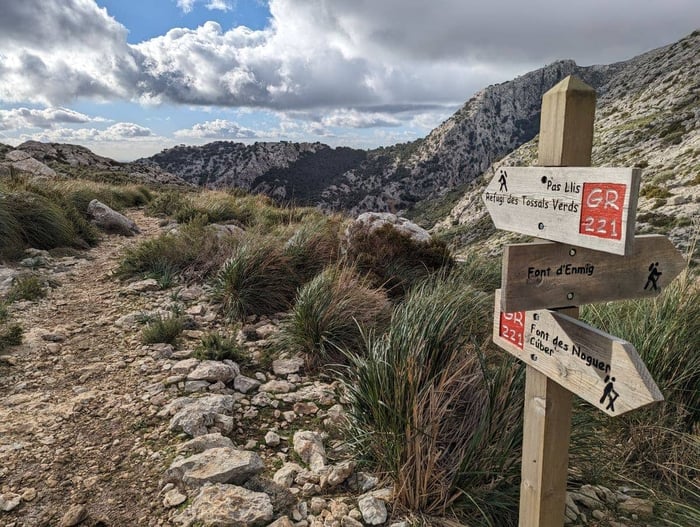
The heart of the Tramuntana hiking experience is the GR 221, a long-distance trail that stretches from Port d'Andratx in the southwest to Port de Pollença in the northeast. Named for the traditional dry-stone walls ("pedra en sec") that line its paths, this route is a journey through history and nature. While the full 140km trek is a multi-day challenge, it's divided into distinct stages, making it accessible for both experienced trekkers and casual day-trippers.
Key Stages and Highlights:
Port d'Andratx to Sant Elm: A relatively gentle start to the route, offering stunning coastal views and a descent into the charming fishing village of Sant Elm.
Estellencs to Banyalbufar: A coastal section known for its impressive terraces, ancient houses, and panoramic views of the Mediterranean. It follows the historic "Camí des Correu" (Royal Way), which dates back to 1401.
Valldemossa to Deià: A versatile and popular stage that winds through small valleys and olive groves. It includes parts of the "Camí de s'Arxiduc," a spectacular dry-stone path commissioned by Archduke Ludwig Salvator of Austria.
Sóller to Tossals Verds: This is a challenging but rewarding stage. The trail climbs through the dramatic Barranc de Biniaraix gorge, a magnificent example of a pilgrim route with countless stone steps. The section takes you past the Cúber reservoir and to the secluded Tossals Verds refuge.
Lluc Monastery to Pollença: The final stretch of the main route is a historic pilgrim path, passing through shaded oak forests and offering views of the high summits of the Tramuntana before descending into the picture-perfect town of Pollença.
Beyond the GR 221: Diverse Routes for Every Hiker
While the GR 221 is the main attraction, the Tramuntana is crisscrossed with numerous other trails, catering to all fitness levels and interests.
Puig des Galatzó (Challenging): A challenging climb to one of the most iconic peaks in the region. The summit, at over 1,000 meters, offers incredible 360-degree views of the island.
La Trapa and Cala en Basset (Moderate): This trail from Sant Elm leads to the ruins of the Sa Trapa monastery, perched on cliffs overlooking the sea and the small island of Dragonera. It also offers a detour to Cala en Basset, a secluded cove only accessible by foot or boat.
Barranc de Biniaraix Gorge (Challenging): A demanding but stunning hike that climbs through a deep, terraced ravine. The path is a remarkable example of "pedra en sec" stonework and is considered one of the most beautiful gorges in the Tramuntana.
Puig de Massanella (Challenging): As Mallorca's second-highest peak (1,364m), this hike offers a true mountain experience. Be aware that some parts of this trail cross private land, and a small fee may be required to pass.
Easy Walks: For those seeking a more relaxed experience, there are many gentle walks around towns like Sóller, Deià, and Pollença that traverse fragrant orange and lemon groves or offer coastal views without significant elevation gain.
Flora, Fauna, and Cultural Heritage
The Tramuntana is a unique ecosystem, a dual insularity that has allowed many endemic species to flourish.
Flora: The landscape is a mosaic of different vegetation types. You'll find ancient olive groves and almond trees, dense holm oak forests, and low-lying garrigue with aromatic plants like rosemary, lavender, and thyme. Look out for the rare and beautiful Balearic toadflax and other endemic species.
Fauna: Keep an eye out for the island's unique wildlife. The region is home to the critically endangered Balearic midwife toad, known locally as the ferreret. You may also spot birds of prey such as the black vulture and the booted eagle soaring on the thermals, as well as native mammals like the marten and genet.
Cultural Landscape: The mountains are a UNESCO site for a reason. The landscape is a product of a rich cultural exchange between Muslim and Christian civilizations. The intricate dry-stone terraces, or marjades, are not just beautiful; they are a sophisticated agricultural system developed for olive, citrus, and vine cultivation. The network of cobbled paths, irrigation channels, and old watermills all contribute to this unique human-made landscape.
Essential Practical Advice for Hikers
To safely and fully enjoy your Tramuntana hiking adventure, keep these tips in mind:
Best Time to Visit: The ideal seasons for hiking are spring (March to May) and autumn (September to November), when the weather is mild and the landscapes are at their most vibrant. Summer can be extremely hot, and winter, while often sunny, can bring cold weather and even snow at higher altitudes.
Hydration and Supplies: Always carry more water than you think you will need, especially during warmer months. Pack high-energy snacks like nuts and fruit.
Gear: Sturdy hiking boots are essential due to the rocky and sometimes slippery terrain. A backpack with layers of clothing (even in summer, as temperatures can drop at higher elevations) and a rain jacket are highly recommended. Don't forget a physical map and a compass as a backup to your phone.
Safety: Always inform someone of your planned route and expected return time. While many trails are well-marked, some sections of the GR 221 are less so, and a guide can be helpful for more challenging or obscure routes. In case of an emergency, the number to call is 112.
Respect the Environment: The Tramuntana is a protected natural and cultural landscape. Stay on marked trails, leave no trace, and respect the private land you may encounter along the way by closing gates behind you.