A Toast to the Island: Discovering Mallorcan Wines
º
Mallorca, an island celebrated for its stunning coastlines and vibrant culture, holds a deeply rooted and flourishing winemaking tradition. While many associate the Balearic island with tourism, its viticultural history, stretching back to ancient times, has seen a remarkable modern revival. Today, the island produces distinctive, high-quality wines that reflect its unique terroir and blend of traditional and innovative winemaking techniques.
A Storied History: From Romans to a Modern Revival
The history of winemaking in Mallorca dates back to the Roman Empire. Roman naturalist Pliny the Elder noted in the first century B.C. that the wines of the Balearic Islands rivaled Italy's finest. After the Christian reconquest in the 13th century, viticulture flourished, with Mallorcan wines even supplying Aragonese and Castilian royal courts. The industry experienced a golden age in the late 19th century when the phylloxera plague devastated vineyards across mainland Europe. With France in particular in need of wine, Mallorcan production boomed, reaching a peak of 500,000 hectoliters in 1891. However, the phylloxera louse eventually arrived on the island, causing a near-total collapse of the industry. The 20th century saw a slow recovery, culminating in a modern renaissance driven by a new generation of winemakers dedicated to quality over quantity and the preservation of indigenous grape varieties.
The Terroir and Grape Varieties
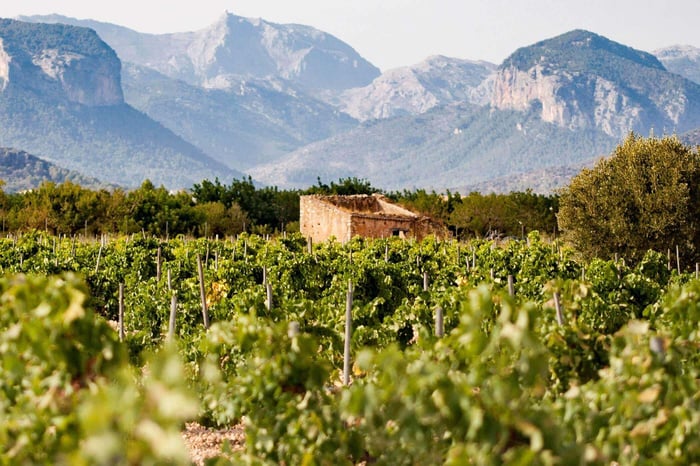
Mallorca's unique terroir is a key factor in the character of its wines. The island's climate is typically Mediterranean, with hot, dry summers and mild winters, while the protective presence of the Serra de Tramuntana mountains creates diverse microclimates. The soil, often rich in limestone and clay, imparts a distinct minerality. Winemakers on the island have successfully revitalized native grape varieties, which are now the cornerstone of Mallorcan viticulture.
Indigenous Red Grapes:
Manto Negro: This is perhaps the most famous native red grape. It produces elegant, medium-bodied red wines with aromas of ripe red fruits, figs, and often a hint of spice or carob. It is the star variety of the Binissalem DO.
Callet: Another prominent indigenous grape, Callet is known for its light-colored, fragrant red wines with notes of strawberry, raspberry, and Mediterranean herbs. It is a key component in the blends of the Pla i Llevant DO.
Fogoneu: Often used in blends, Fogoneu contributes a delicate red fruit character.
Indigenous White Grapes:
Prensal Blanc (or Moll): The most important native white grape, Prensal Blanc is used to make fresh, aromatic white wines with notes of white-fleshed fruits like apple and pear, along with floral and citrus undertones.
Giró Ros: This is a rare, old grape variety that has been successfully revived. It produces complex, full-bodied white wines with rich aromas.
In addition to these local stars, many wineries also cultivate international varieties like Cabernet Sauvignon, Merlot, Syrah, Chardonnay, and Sauvignon Blanc, often blending them with native grapes to create unique and complex wines.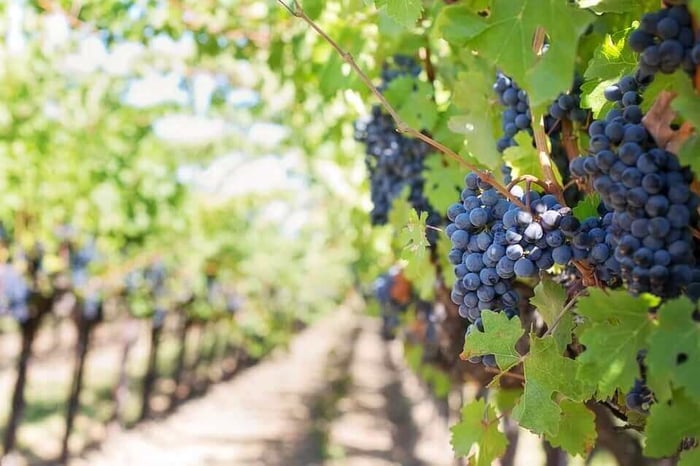
The Island's Wine Regions: DOs and Vi de la Terra
Mallorca's wine industry is primarily regulated by two Denominations of Origin (DOs) and several Geographical Indications (IGPs), known as Vi de la Terra.
DO Binissalem: Established in 1990, this was the first DO on the island. It covers five municipalities in the heart of Mallorca, including Binissalem itself. The region is known for its robust red wines, where Manto Negro must constitute at least 50% of the blend, and its fresh Prensal Blanc whites.
DO Pla i Llevant: The second DO, created in 1999, is located in the central and eastern parts of the island. Its more diverse soils and climate allow for a wide range of styles, from fresh whites to complex reds. Callet is the dominant red grape in this region.
Vi de la Terra Mallorca: This is a broader geographical indication for wines produced anywhere on the island that do not fall under a specific DO. This designation allows winemakers more flexibility and a chance to experiment with different varieties and styles. Notable sub-indications include Vi de la Terra Serra de Tramuntana-Costa Nord.
Notable Wineries and Wine Tourism
Mallorca is home to over 70 wineries, many of which are family-run and open to visitors. These wineries offer a range of experiences, from simple tastings to full tours and gastronomic pairings.
Bodega Ribas: Founded in 1711, this is the oldest winery on the island. Located in the town of Consell, it is renowned for its dedication to traditional winemaking and the recovery of indigenous grapes like Gorgollassa and Manto Negro.
José L. Ferrer: A historic winery in Binissalem, founded in 1931. It is a family-run business and one of the most established on the island, offering a classic range of Mallorcan wines.
Ànima Negra: A pioneer in modern Mallorcan winemaking, this winery near Felanitx has gained international acclaim for its innovative use of local varieties, particularly Callet.
Macià Batle: Situated in Santa Maria del Camí, this is one of the largest and most recognizable wineries, producing nearly a million bottles a year. They are known for their consistent quality and distinctive labels.
Es Fangar: Located between Felanitx and Manacor, this estate is known for its commitment to organic and sustainable farming on its vast 1000-hectare property.
For visitors, wine tourism is a thriving activity. Wineries like Bodegas Vi Rei offer guided tours on a train through their vineyards, picnics, and even barbecue experiences. Other companies provide private, tailor-made tours that can include helicopter flights, flamenco shows, or sunset boat trips. These experiences offer a deep dive into the island's liquid soul, perfectly pairing its beautiful landscape with its growing reputation for world-class wine.