Table of Contents
-
- Documented Archaeological Finds in Palma
- Documented Archaeological Excavations in Palma's Old Town (Early September 2025)
- Scheduled Restoration Milestones: Preserving Historical Buildings (Late September - October 2025)
- The Economic and Cultural Significance of Heritage
- Sustainable Practices in Heritage Management
- Engaging with Mallorca's Living History
- Questions & Answers - Mallorca's Architectural Heritage
Documented Archaeological Finds in Palma
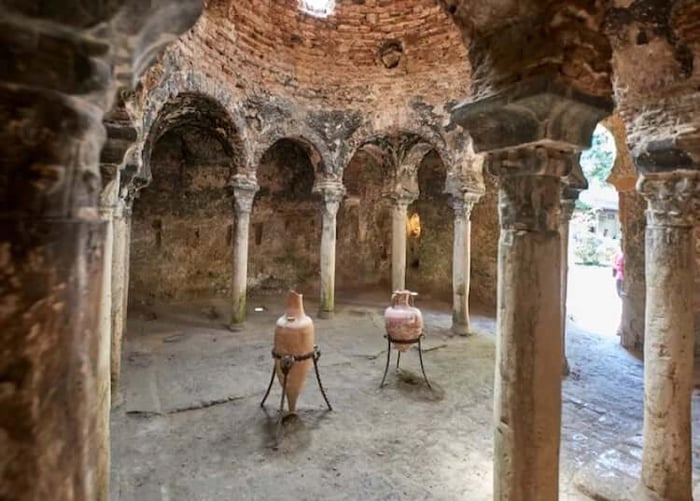
Mallorca's rich history is continuously brought to light through archaeological discoveries and structured restoration projects. In recent weeks, Palma has been the site of significant, documented activity, with finds providing clear insights into the island's diverse past, from Roman influences to medieval Moorish and Christian periods. These discoveries concretely deepen the understanding of Mallorca's architectural heritage and highlight sustained efforts to preserve its invaluable historical fabric. These developments provide compelling information regarding the island’s enduring legacy and the careful stewardship of its treasures.
Documented Archaeological Excavations in Palma's Old Town (Early September 2025)
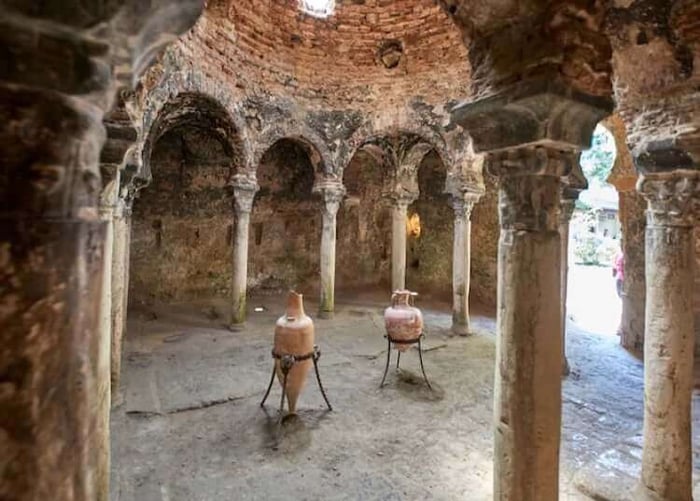
Within the last two weeks, archaeological teams, operating under strict protocol during routine infrastructure upgrades and private property renovations in Palma's Old Town, have officially reported several key finds. One notable discovery, made during the renovation of a historic building near La Lonja, unearthed definitive remnants of a Roman-era dwelling. This included verifiable fragments of pottery and a clearly identifiable section of an ancient mosaic. This find, currently undergoing detailed analysis by the Consell de Mallorca's Heritage Department, concretely adds to the growing evidence of Roman occupation in Palma, significantly enhancing the understanding of the city's foundational history. Further explorations in the Jewish Quarter (Call Jueu), specifically in areas around Carrer de la Volta de la Mercè, have yielded additional confirmed insights into medieval living. Archaeologists have discovered well-preserved cisterns and clearly defined sections of former alleyways, providing a precise picture of urban life in centuries past. These ongoing excavations are conducted under the strict supervision of the Consell de Mallorca's Heritage Department, ensuring every artifact and structural element is meticulously documented and preserved according to established archaeological standards. The expertise applied to such projects reflects Mallorca's unwavering commitment to protecting its past.
Scheduled Restoration Milestones: Preserving Historical Buildings (Late September - October 2025)
Parallel to these new discoveries, several significant restoration projects on historical buildings across Palma and other key towns are either firmly underway or have scheduled major milestones for late September and October 2025. Public attention focuses on confirmed progress on specific cultural landmarks. For instance, a major project involving a Gothic-era mansion in the district of Calatrava, specifically the Can Oleza palace on Carrer de la Porta de Mar, has scheduled completion phases for the restoration of its original façade and interior frescoes during October 2025. This project utilizes traditional techniques and materials, executed by specialized artisans who are experts in historical construction and artistic conservation. The objective is not merely to repair but to meticulously return these buildings to their former glory, preserving their architectural integrity while integrating modern amenities thoughtfully and reversibly where appropriate. Another notable project includes the ongoing structural reinforcement and façade cleaning of Casal Solleric, a prominent baroque palace on Passeig del Born in Palma, with completion stages scheduled for late September 2025. These scheduled advancements underscore a proactive approach to heritage management. Further information regarding these projects is released by the Palma City Council's Department of Urbanism and Heritage.
The Economic and Cultural Significance of Heritage
The preservation and discovery of architectural heritage carry immense economic and cultural significance for Mallorca. Culturally, these sites serve as tangible links to the island's ancestors, offering established educational opportunities and fostering a strong sense of identity and pride within the community. Economically, these initiatives demonstrably enhance Mallorca's appeal as a destination for cultural tourism, consistently attracting visitors who seek experiences beyond beaches and resorts. This niche of cultural tourism directly contributes significantly to the local economy, providing employment for skilled craftspeople, historians, and specialized conservation firms. Property values in historically rich areas, particularly those benefiting from public and private restoration initiatives, show clear appreciation as the aesthetic and cultural value of the surroundings are demonstrably enhanced. The Balearic government, through its cultural departments, actively funds and promotes many of these initiatives, recognizing their long-term value and impact.
Sustainable Practices in Heritage Management
A critical and integrated aspect of current heritage management in Mallorca involves the consistent application of sustainable practices. This includes using locally sourced, traditional materials wherever possible, implementing energy-efficient solutions in renovated buildings, and ensuring that any modern interventions are fully reversible and respectful of the original structure. The objective is to ensure these historical assets remain viable for future generations, both environmentally and economically. Workshops are regularly conducted to train new generations of artisans in traditional building crafts, thereby ensuring that the specialized skills required for such delicate restoration work are not lost. This forward-thinking and committed approach ensures that Mallorca’s heritage is not just admired but actively and sustainably cared for, providing a clear model for cultural preservation in the Mediterranean.
Engaging with Mallorca's Living History
For individuals with an interest in history and architecture, engaging with Mallorca's living heritage offers profound insights. Guided tours focused on architectural history in Palma's Old Town, visits to recently restored fincas in the countryside, and established educational programs offered by institutions like the Museu de Mallorca (located at Carrer de la Portella, 5, Palma) provide confirmed opportunities to explore these treasures. As new discoveries are officially announced and restoration projects reach their scheduled completion in the coming weeks, the island continues to demonstrate its unwavering commitment to preserving and celebrating its unique architectural tapestry. This provides a direct opportunity to witness history in the making and to connect deeply with the soul of Mallorca, understanding the layers of civilizations that have shaped its beautiful landscape and sophisticated culture. More definitive information on ongoing projects and archaeological finds is consistently provided through the Consell de Mallorca's Department of Historical Heritage or local municipal cultural offices, such as the Palma City Council website (https://www.palma.cat/).