Table of Contents
Southwest Mallorca's Climate by the Numbers: What the Official Data Says
Everyone considering a move to Mallorca has heard the general pitch: mild winters, hot summers, plenty of sun. The official climate data from AEMET, Spain's state meteorological agency, based on thirty years of measurements at Palma's airport station, puts real numbers behind that impression, and a few of them are worth knowing before you commit to a particular time of year.
The Year in Summary
Averaged across the year, Palma sees a mean temperature of 16.5°C, with average daily highs of 22.4°C and average daily lows of 10.6°C. Annual rainfall comes to 411mm, spread across just 51 days a year that see meaningful rain, and the island logs roughly 2,756 hours of sunshine annually, a genuinely high figure by northern European standards.
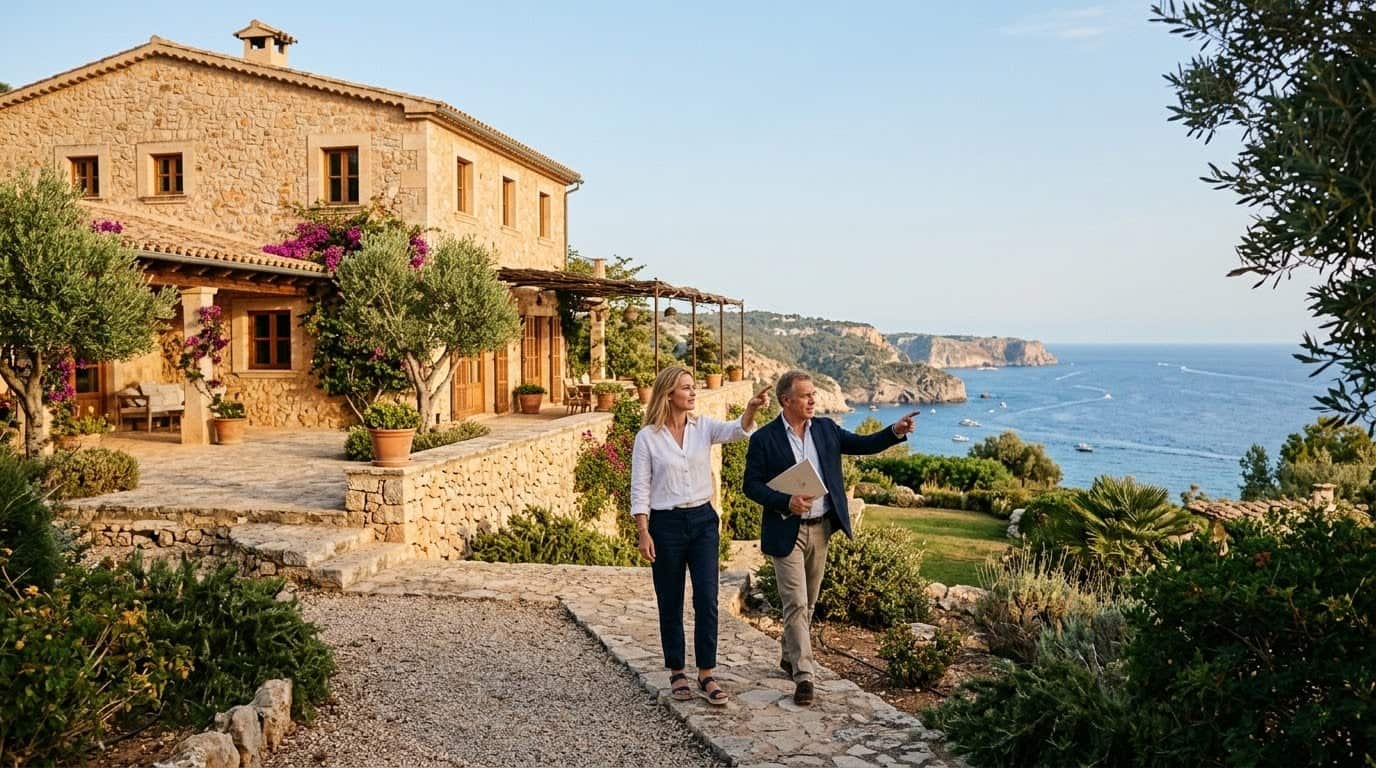
Thinking about buying or selling in Mallorca?
Summer: July and August
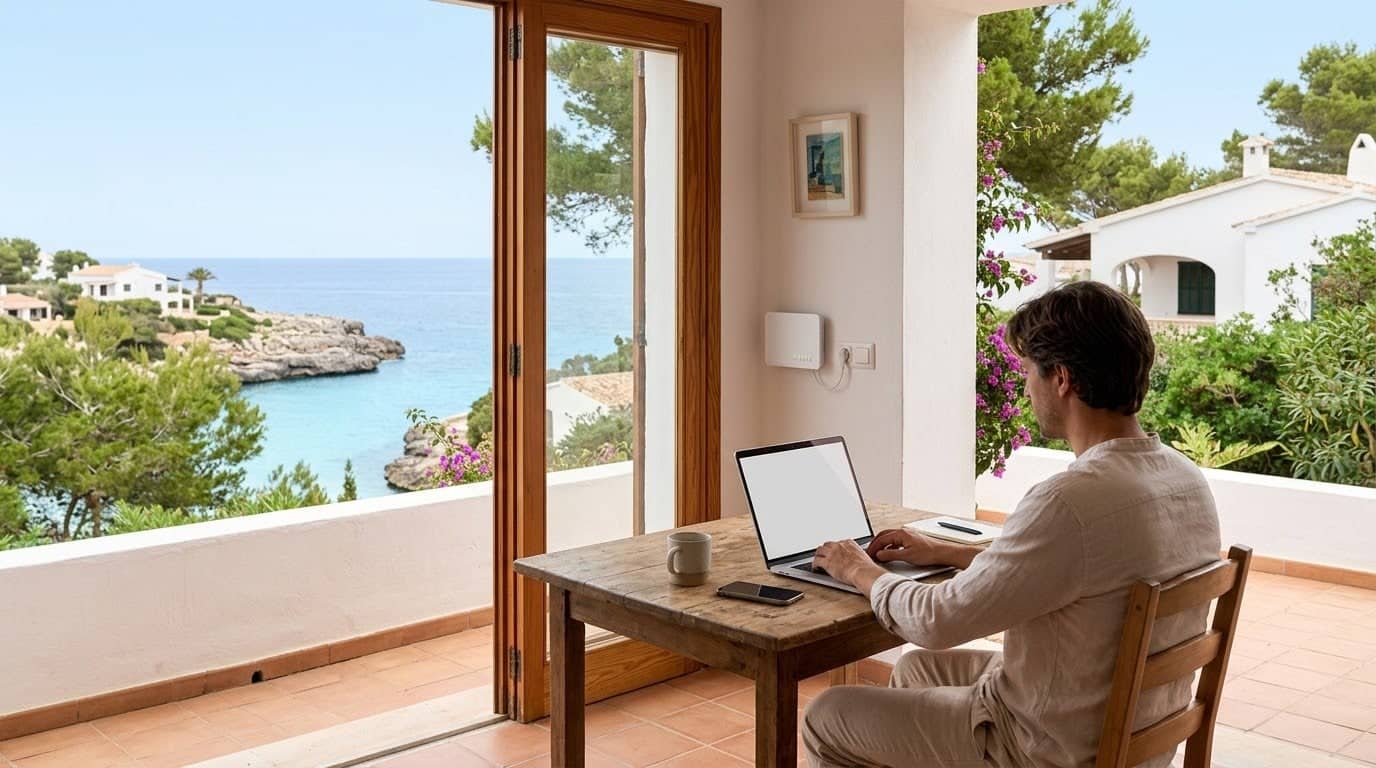
July and August are essentially twins climatically, and genuinely hot. July averages 24.8°C, with typical daily highs of 31.2°C, while August comes in fractionally warmer still at 25.1°C average and 31.3°C highs. Both months are remarkably dry, July recording just 5mm of rain on average, making it the driest month of the year, alongside the most sunshine, 342 hours in July alone. If you're weighing up a summer visit purely on comfort, these are the two months where shade and air conditioning stop being optional extras.
The Shoulder Seasons: May, June, September and October
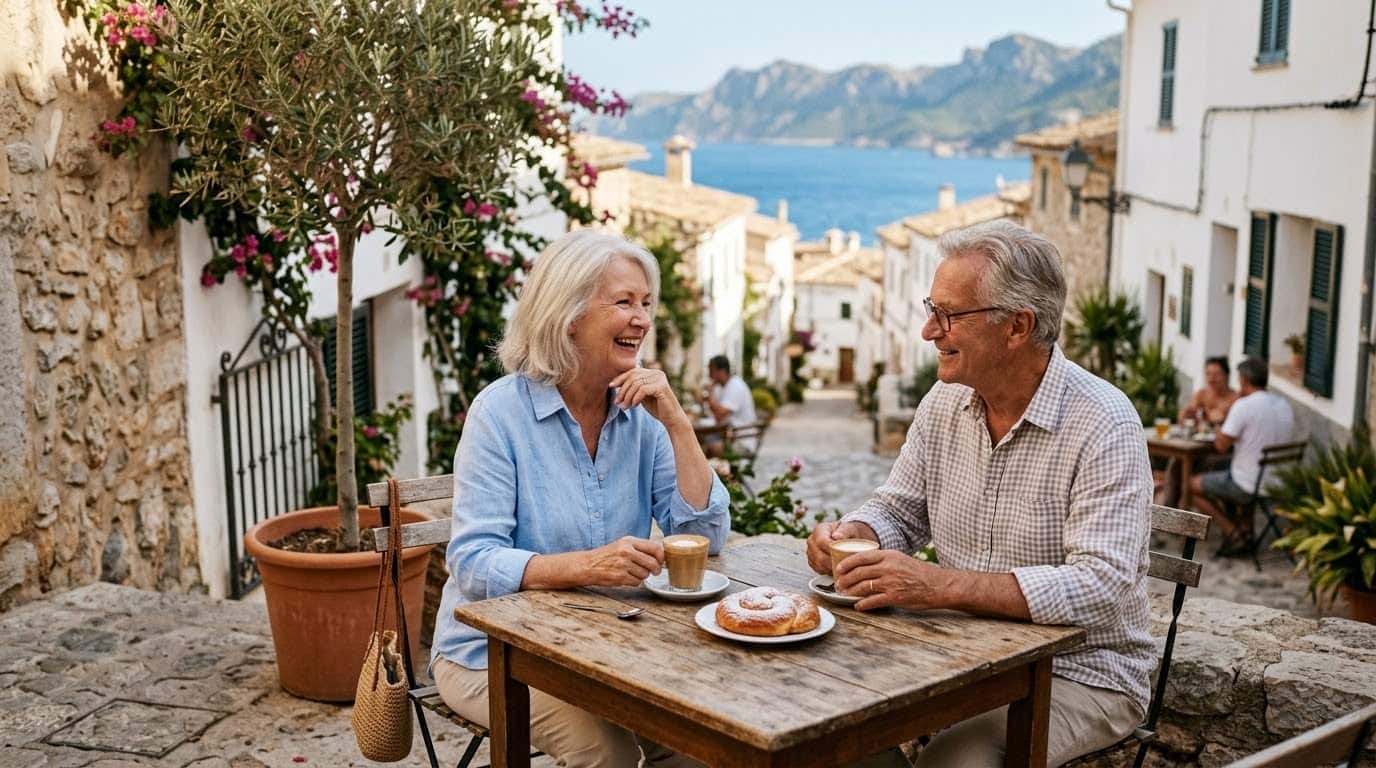
For many residents, this is where Mallorca's climate genuinely earns its reputation. May averages 17.5°C with 283 hours of sunshine, June jumps to 21.7°C with 316 hours, September holds at a still-warm 22.2°C, and October settles to 18.5°C. Rainfall picks up in autumn, October in particular sees 62mm, the wettest month of the year, though this typically arrives in shorter, heavier bursts rather than prolonged grey stretches. These four months combine strong sunshine hours with temperatures that suit outdoor life without summer's more intense heat.
Winter: December Through February
Winter in Palma is mild by most standards, but not warm. January averages 9.5°C with lows around 3.8°C, December and February sit similarly in the 9-10°C range, and this is genuinely the wettest and least sunny stretch of the year, with sunshine hours dropping to around 150-165 per month. It's worth being realistic about this: Mallorca's winter is considerably gentler than most of northern Europe, but older properties without good heating can feel surprisingly cold given how mild the daytime temperature actually is.
What This Actually Means for Day-to-Day Life
A few patterns are worth drawing out. The island genuinely does concentrate its rain into a smaller number of days than many buyers expect, rather than spreading it thinly across the year, which is part of why the sunshine figures stay so high even in the wetter months. The gap between summer and winter temperatures, roughly 15°C average to 25°C average, is also more pronounced than the "eternal summer" image suggests, and anyone planning to live here year-round rather than visit seasonally should factor genuine winter conditions, however mild by comparison, into decisions about heating and insulation.
Using This to Plan Around
If you're choosing when to visit before buying, May, June, September and October offer the clearest combination of sunshine and comfortable temperatures without July and August's peak heat or winter's shorter days. If you're planning to live here full-time, the official data is a useful reality check against the postcard version of Mallorca's climate: genuinely excellent for most of the year, but with a real winter and a real, intense summer, both worth experiencing before you commit rather than assuming based on a single holiday visit.