Table of Contents
- What Makes a Finca So Special?
- Understanding Rustic Land Classification
- Building New on Rustic Land: The Rules You Need to Know
- The 2024 Legalisation Opportunity for Existing Structures
- Key Legal and Due Diligence Checks
- The Experience of Owning a Finca
- Que Hace Tan Especial a una Finca?
- Comprender la Clasificacion del Suelo Rustico
- Construccion Nueva en Suelo Rustico: Las Normas que Debe Conocer
- La Oportunidad de Legalizacion de 2024 para Estructuras Existentes
- Comprobaciones Juridicas y de Diligencia Debida Fundamentales
- La Experiencia de Ser Propietario de una Finca
- Was Macht eine Finca So Besonders?
- Die Klassifizierung von Rusticalboden Verstehen
- Neubau auf Rusticalboden-Land: Die Regeln, Die Sie Kennen Mussen
- Die Legalisierungsmoglichkeit 2024 fur Bestehende Strukturen
- Wichtige Rechtliche und Sorgfaltspflicht-Prufungen
- Die Erfahrung, Eine Finca zu Besitzen
A Buyer's Guide to Fincas and Country Properties in Mallorca
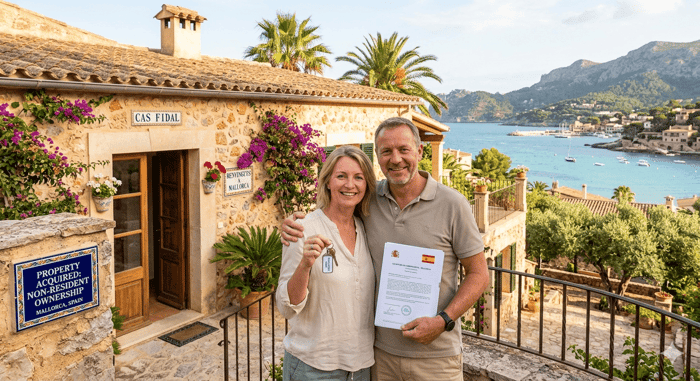
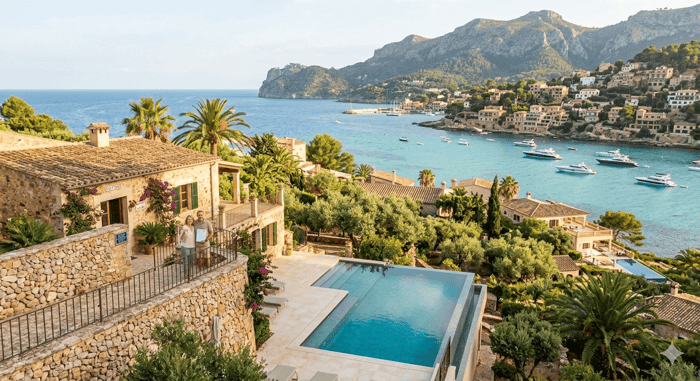
There is something genuinely compelling about a Mallorcan finca. Whether it is a centuries-old stone farmhouse set among ancient olive groves in the foothills of the Tramuntana, or a lovingly restored manor at the end of a long dusty track with nothing but almond trees and silence for company, these properties speak to something that apartment life rarely can. They offer space, privacy, a direct connection to the land, and a pace of living that many buyers have been quietly searching for without quite knowing it. This guide is designed to help you understand both the appeal and the practicalities of buying a country property in Mallorca, so that you can approach the market with confidence and realistic expectations.
What Makes a Finca So Special?
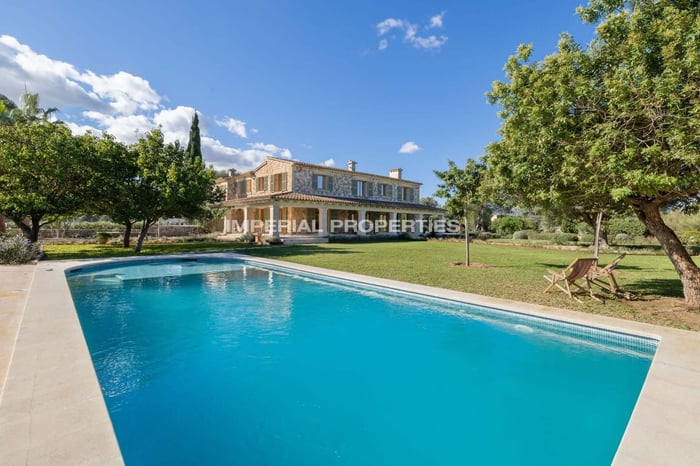
The word finca is used loosely across Spain to refer to a rural property, but in Mallorca it carries a particular weight. Many of the island's finest examples are built from the local golden sandstone known as mares, with thick walls that keep interiors cool in summer and warm through the mild winters. Vaulted ceilings, arched doorways, original clay floor tiles and exposed wooden beams are common features that interior designers spend years trying to recreate in urban properties. Here they simply exist, as they have for generations.
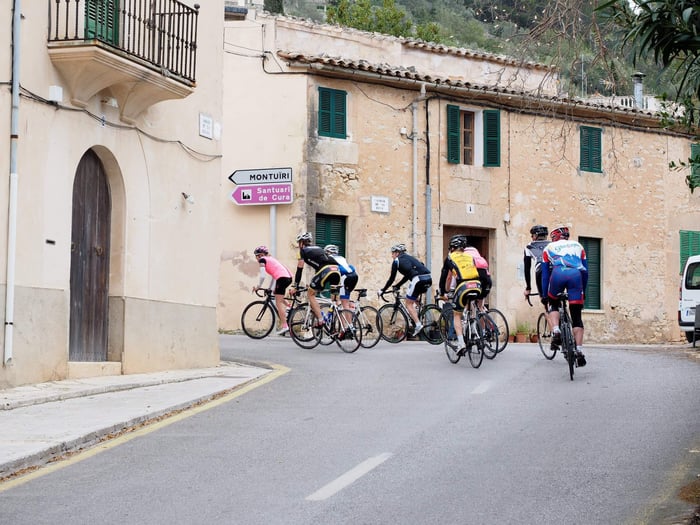
Beyond the architecture, the lifestyle that comes with a finca is one of the great draws. Waking to birdsong rather than traffic noise, eating breakfast on a terrace surrounded by your own garden, swimming in a private pool that looks out across terraced hillsides or open countryside, and enjoying evenings lit by the kind of star-filled skies that have disappeared from most of Europe are all everyday realities for finca owners. The island's interior, in particular the areas around Randa, Sineu, Alaró, Orient and the villages of the Pla de Mallorca, offers this lifestyle in abundance, and yet remains within thirty to forty minutes of Palma's international airport, excellent restaurants, schools, and healthcare.
There is also a strong investment argument for well-chosen rural properties. Demand consistently outstrips the supply of legally sound, well-restored fincas, meaning that quality examples in desirable locations hold and grow in value over time. The pool of buyers who want exactly this type of property, people who have moved beyond the marina apartment and are seeking something with genuine character, is both international and durable.
Understanding Rustic Land Classification
Before looking at any finca in detail, it is important to understand how rural land is classified in the Balearic Islands, because this classification has a direct bearing on what you can build, extend, or use the property for.
Rural land in Mallorca falls broadly into two main categories. Suelo Rustico General, or General Rustic Land (SRG), is the category with the widest range of permitted uses, though it still carries strict restrictions compared to urban plots. The second major category is Suelo Rustico Protegido, or Protected Rustic Land, which includes zones designated as Areas of Landscape Interest (ARIP) and lands forming part of the Natura 2000 European ecological network. The level of restriction increases significantly in protected zones, and any plans for renovation or extension on land within these designations require careful professional scrutiny from the outset.
Each of Mallorca's 53 municipalities also has its own General Urban Development Plan (PGOU) or Subsidiary Norms (NNSS), which can layer additional conditions on top of the regional rules. This is why a plot that appears to meet the basic island-wide criteria for construction may still face restrictions specific to its municipality. Getting a lawyer and an architect involved before you sign anything is not optional, it is essential.
Building New on Rustic Land: The Rules You Need to Know
For buyers looking at undeveloped land or ruins with a view to building a new finca, the current rules set a minimum plot size of 14,000 square metres for new residential construction on General Rustic Land. For renovation and extension work on existing buildings, the minimum plot requirement drops to 7,000 square metres. These thresholds were set to preserve the rural character of the island and prevent the countryside from becoming an extension of suburban development.
Beyond minimum plot size, current regulations establish that the total built volume of any new dwelling on rural land cannot exceed 900 cubic metres. This maximum applies to the entire building complex, including porches and ancillary structures. The maximum footprint area is limited to 3 percent of the plot on General Rustic Land, reduced to 2 percent in ARIP and similar protected zones. Swimming pools are permitted but are capped at a maximum surface area of 35 square metres.
New builds and major renovations must also include a comprehensive technical project demonstrating how the construction integrates with the landscape. This includes commitments to maintain traditional vegetation and planting, preserve any ethnographic or culturally significant elements on the land, and comply with local light pollution legislation. Materials must respect the island's traditional palette, and enclosures and boundaries are expected to use native plant species or traditional local materials.
One further detail that catches many buyers off guard relates to plot history. A rustic plot that was created by sub-dividing a larger finca after 16 July 1997 is not buildable under current regulations, regardless of its size. This is a legal check that requires a certificate from the Land Registry, not simply a Nota Simple, and it is one of the most important due diligence steps for anyone buying rural land with the intention of building on it.
The 2024 Legalisation Opportunity for Existing Structures
One of the most significant recent developments for finca buyers and owners is Balearic Decree-Law 3/2024, approved in May 2024. This legislation introduced a temporary three-year mechanism to legalise certain irregular buildings on rustic land where the planning infringement has passed the statutory period after which enforcement action is no longer possible.
In practice, this means that structures built without the correct licence more than eight years ago, and which are no longer subject to demolition enforcement, are eligible to apply for retrospective legalisation. This matters enormously for buyers, because many otherwise attractive fincas include elements that were added over the years without formal permission, whether a guest annexe, a studio, a pool, or an extension. When these elements remain unlegalised, they create real limitations: maintenance and repair work on unlegalised sections cannot be carried out legally, and the presence of out-of-order structures can complicate mortgage applications and resales.
The process requires an application for an extraordinary legalisation licence, accompanied by a full architectural project. Conditions include the installation of adequate water purification systems, measures to reduce light pollution and improve energy efficiency, and restrictions on tourist rental of any legalised properties. The municipality has six months to respond. Buyers should note that the three-year window runs from the date each municipality formally adopts the procedure, and legal and architectural advice should be sought promptly.
Key Legal and Due Diligence Checks
Buying a finca in Mallorca without thorough legal and technical due diligence is a risk that experienced buyers learn to avoid. A number of specific checks are particularly important for rural properties.
First, confirm that the property has a valid and current Cedula de Habitabilidad, the occupancy certificate that confirms the dwelling meets the legal standards for residential use. These certificates expire after ten years, and renewal is assessed against current standards, not the standards in place when the original certificate was issued. Without a valid certificate, you cannot legally apply for tourist rental licences, and banks may decline to lend against the property.
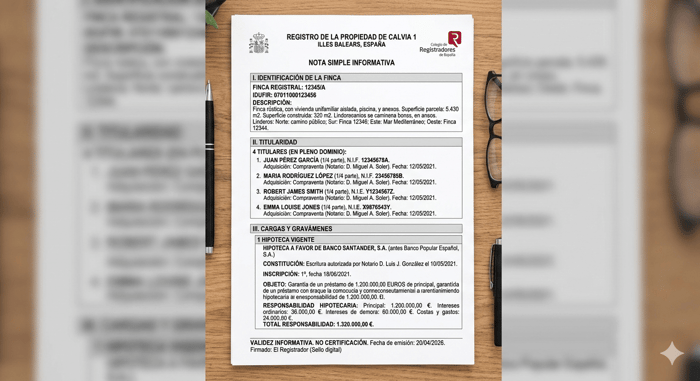
Second, check that all structures on the property match what is registered in both the Nota Simple from the Land Registry and the current town hall licence. Discrepancies between what is on the ground and what is on paper are common and need to be fully understood before contracts are signed.
Third, verify whether the property or any part of the plot is located in a floodable zone. Since December 2024, Law 7/2024 has given legal force to the Balearic flood maps administered by Recursos Hidrics. If the property falls within a designated flood zone or water flow corridor, this has direct consequences for tourist rental licence applications and renewals.
Fourth, establish whether there are any active water rights, wells, or irrigation channels on the property that carry their own legal status and obligations. Rural properties in Mallorca often have a right to draw water from a communal supply or existing well, and these rights are worth understanding clearly before purchase.
The Experience of Owning a Finca
It is worth being clear-eyed about the practical realities of finca ownership alongside the obvious pleasures. Rural properties of this type typically involve more maintenance than urban homes. Stone walls require attention over time, pool systems and irrigation need seasonal management, and access tracks may require clearing after winter storms. Properties in more remote locations involve longer drives for everyday errands, and internet connectivity, while now available across most of the island, can vary in speed depending on exact location.
None of this diminishes the appeal. In fact, for the buyers who are the right fit for this type of property, the involvement in maintaining a piece of Mallorca's rural heritage becomes a source of real satisfaction. The island's community of finca owners is sociable, well-connected, and drawn from across Europe and beyond. The lifestyle, the space, and the quality of the natural environment around a well-positioned rural property in Mallorca are difficult to replicate anywhere else in the Mediterranean.
If you are considering a finca or country property in Mallorca, the team at Imperial Properties brings direct knowledge of the rural market across the island, from the dramatic foothills of the Tramuntana to the sun-drenched plains of the interior. We work with experienced lawyers and architects who specialise in rural property due diligence, and we are well placed to guide you through every step of the process with clarity and complete transparency.
Guia del Comprador de Fincas y Propiedades Rurales en Mallorca
Hay algo genuinamente especial en una finca mallorquina. Tanto si se trata de una antigua casa de piedra rodeada de olivos centenarios en las estribaciones de la Tramuntana, como de una soberbia mansion restaurada al final de un largo camino de tierra, rodeada de almendros y silencio, estas propiedades ofrecen algo que los apartamentos rara vez pueden igualar. Transmiten espacio, privacidad, una conexion directa con la tierra y un ritmo de vida que muchos compradores han buscado sin saberlo con exactitud. Esta guia le ayudara a entender tanto el atractivo como las realidades practicas de comprar una propiedad rural en Mallorca.
Que Hace Tan Especial a una Finca?
La palabra finca se utiliza ampliamente en toda Espana para referirse a una propiedad rural, pero en Mallorca tiene un peso particular. Muchos de los mejores ejemplos de la isla estan construidos con la piedra arenisca dorada local conocida como mares, con gruesos muros que mantienen los interiores frescos en verano y calidos durante los suaves inviernos. Los techos abovedados, los arcos de las puertas, los originales suelos de barro y las vigas de madera vista son caracteristicas habituales que los disenadores de interiores pasan anos intentando recrear en propiedades urbanas. Aqui simplemente existen, como lo han hecho durante generaciones.
Mas alla de la arquitectura, el estilo de vida que conlleva una finca es uno de sus grandes atractivos. Despertar con el canto de los pajaros en lugar del ruido del trafico, desayunar en una terraza rodeada de su propio jardin, nadar en una piscina privada con vistas a laderas en terrazas o campo abierto, y disfrutar de las noches bajo cielos estrellados que han desaparecido de gran parte de Europa son realidades cotidianas para los propietarios de fincas. El interior de la isla, en particular las areas de Randa, Sineu, Alaro, Orient y los pueblos de la Pla de Mallorca, ofrece este estilo de vida en abundancia, y sin embargo permanece a treinta o cuarenta minutos del aeropuerto internacional de Palma, excelentes restaurantes, colegios y servicios sanitarios.
Existe ademas un solido argumento de inversion para las propiedades rurales bien elegidas. La demanda supera constantemente a la oferta de fincas legalmente solidas y bien restauradas, lo que significa que los ejemplos de calidad en ubicaciones deseables mantienen y aumentan su valor con el tiempo. El grupo de compradores que busca exactamente este tipo de propiedad, personas que han ido mas alla del apartamento en el puerto y buscan algo con caracter genuino, es internacional y duradero.
Comprender la Clasificacion del Suelo Rustico
Antes de examinar cualquier finca en detalle, es importante entender como se clasifica el suelo rural en las Islas Baleares, ya que esta clasificacion tiene una repercusion directa en lo que se puede construir, ampliar o usar la propiedad.
El suelo rural en Mallorca se divide en dos grandes categorias. El Suelo Rustico General (SRG) es la categoria con la gama mas amplia de usos permitidos, aunque sigue soportando restricciones estrictas en comparacion con las parcelas urbanas. La segunda gran categoria es el Suelo Rustico Protegido, que incluye las zonas designadas como Areas de Interes Paisajistico (ARIP) y los terrenos que forman parte de la Red Ecologica Europea Natura 2000. El nivel de restriccion aumenta significativamente en las zonas protegidas, y cualquier plan de reforma o ampliacion de terrenos dentro de estas designaciones requiere un examen profesional cuidadoso desde el principio.
Cada uno de los 53 municipios de Mallorca tiene tambien su propio Plan General de Ordenacion Urbana (PGOU) o Normas Subsidiarias (NNSS), que pueden imponer condiciones adicionales a las normas regionales. Por eso, una parcela que aparentemente cumple los criterios basicos de construccion a nivel insular puede seguir enfrentandose a restricciones especificas de su municipio. Contar con un abogado y un arquitecto desde el principio no es opcional, es imprescindible.
Construccion Nueva en Suelo Rustico: Las Normas que Debe Conocer
Para los compradores que buscan terrenos sin edificar o ruinas con el objetivo de construir una nueva finca, las normas actuales establecen un tamano minimo de parcela de 14.000 metros cuadrados para la construccion residencial nueva en Suelo Rustico General. Para obras de reforma y ampliacion en edificios existentes, el requisito minimo de parcela se reduce a 7.000 metros cuadrados.
Mas alla del tamano minimo de la parcela, la normativa vigente establece que el volumen total construido de cualquier nueva vivienda en suelo rural no puede superar los 900 metros cubicos. Este maximo se aplica al conjunto del edificio, incluidos los porches y las estructuras auxiliares. La superficie maxima de ocupacion se limita al 3% de la parcela en Suelo Rustico General, reduciendose al 2% en ARIP y zonas protegidas similares. Las piscinas estan permitidas pero se limitan a un maximo de 35 metros cuadrados de superficie.
Las nuevas construcciones y las grandes reformas deben incluir ademas un proyecto tecnico completo que demuestre como la construccion se integra en el paisaje. Esto incluye compromisos para mantener la vegetacion y la plantacion tradicionales, preservar los elementos etnograficos o culturalmente significativos del terreno, y cumplir la legislacion local sobre contaminacion luminica.
Un detalle adicional que sorprende a muchos compradores se refiere al historial de la parcela. Una parcela rustica creada por subdivision de una finca mayor despues del 16 de julio de 1997 no es edificable con la normativa actual, independientemente de su tamano. Se trata de una comprobacion legal que requiere un certificado del Registro de la Propiedad, no simplemente una Nota Simple.
La Oportunidad de Legalizacion de 2024 para Estructuras Existentes
Uno de los desarrollos recientes mas significativos para compradores y propietarios de fincas es el Decreto-Ley Balear 3/2024, aprobado en mayo de 2024. Esta legislacion introdujo un mecanismo temporal de tres anos para legalizar determinadas construcciones irregulares en suelo rustico cuya infraccion urbanistica ha superado el plazo legal de prescripcion.
En la practica, esto significa que las estructuras construidas sin licencia correcta hace mas de ocho anos, y que ya no estan sujetas a medidas de restauracion de la legalidad urbanistica, son elegibles para solicitar una legalizacion retroactiva. Esto es sumamente importante para los compradores, ya que muchas fincas de otro modo atractivas incluyen elementos anadidos a lo largo de los anos sin permiso formal, ya sea una casa de huespedes, un estudio, una piscina o una ampliacion.
El proceso requiere una solicitud de licencia de legalizacion extraordinaria, acompanada de un proyecto arquitectonico completo. Las condiciones incluyen la instalacion de sistemas adecuados de depuracion de aguas, medidas para reducir la contaminacion luminica y mejorar la eficiencia energetica, y restricciones sobre el alquiler turistico de las propiedades legalizadas. El municipio dispone de seis meses para responder.
Comprobaciones Juridicas y de Diligencia Debida Fundamentales
Comprar una finca en Mallorca sin una diligencia debida legal y tecnica exhaustiva es un riesgo que los compradores experimentados aprenden a evitar. Varias comprobaciones especificas son especialmente importantes para las propiedades rurales.
En primer lugar, confirme que la propiedad cuenta con una Cedula de Habitabilidad valida y actualizada. Estos certificados caducan a los diez anos, y la renovacion se evalua conforme a las normas vigentes en el momento de la renovacion. Sin un certificado valido, no se puede solicitar legalmente licencias de alquiler turistico, y los bancos pueden negarse a prestar sobre la propiedad.
En segundo lugar, verifique que todas las estructuras de la propiedad coincidan con lo registrado tanto en la Nota Simple del Registro de la Propiedad como en la licencia del ayuntamiento actual. Las discrepancias entre lo que hay en el terreno y lo que consta en los documentos son habituales y deben entenderse completamente antes de firmar los contratos.
En tercer lugar, compruebe si la propiedad o alguna parte de la parcela se encuentra en una zona inundable. Desde diciembre de 2024, la Ley 7/2024 ha dado fuerza juridica a los mapas de inundacion de las Baleares gestionados por Recursos Hidrics. Si la propiedad se encuentra en una zona de inundacion designada, esto tiene consecuencias directas para las solicitudes y renovaciones de licencias de alquiler turistico.
La Experiencia de Ser Propietario de una Finca
Merece la pena ser realista sobre las realidades practicas de ser propietario de una finca, junto con los placeres evidentes. Las propiedades rurales de este tipo suelen requerir mas mantenimiento que las viviendas urbanas. Los muros de piedra requieren atencion con el tiempo, los sistemas de piscina y riego necesitan gestion estacional, y los caminos de acceso pueden requerir limpieza tras las tormentas invernales.
Nada de esto disminuye el atractivo. De hecho, para los compradores que encajan bien en este tipo de propiedad, la participacion en el mantenimiento de una parte del patrimonio rural de Mallorca se convierte en una fuente de verdadera satisfaccion. La comunidad de propietarios de fincas de la isla es sociable, bien conectada y procede de toda Europa y mas alla. El estilo de vida, el espacio y la calidad del entorno natural en torno a una propiedad rural bien ubicada en Mallorca son dificiles de igualar en cualquier otro lugar del Mediterraneo.
Si esta pensando en una finca o propiedad rural en Mallorca, el equipo de Imperial Properties aporta un conocimiento directo del mercado rural en toda la isla. Trabajamos con abogados y arquitectos especializados en la diligencia debida de propiedades rurales y estamos bien posicionados para guiarle en cada paso del proceso con claridad y total transparencia.
Kauferratgeber fur Fincas und Landhauser auf Mallorca
Es gibt etwas genuin Faszinierendes an einer mallorquinischen Finca. Ob es sich um ein jahrhundertealtes Steinbauernhaus inmitten uralter Olivenhaine an den Auslaufern der Tramuntana handelt oder um ein liebevoll restauriertes Herrenhaus am Ende eines langen Schotterweges, umgeben von Mandelbaumen und Stille, diese Immobilien sprechen etwas an, das das Leben in einer Wohnung selten bieten kann. Sie bieten Platz, Privatsphare, eine direkte Verbindung zur Natur und ein Lebensgefuhl, nach dem viele Kaufer gesucht haben, ohne es genau benennen zu konnen. Dieser Ratgeber soll Ihnen helfen, sowohl den Reiz als auch die praktischen Gegebenheiten des Kaufs einer Landhausimmobilie auf Mallorca zu verstehen.
Was Macht eine Finca So Besonders?
Das Wort Finca wird in ganz Spanien fur Landimmobilien verwendet, aber auf Mallorca hat es ein besonderes Gewicht. Viele der besten Beispiele der Insel sind aus dem lokalen goldenen Sandstein namens Mares gebaut, mit dicken Mauern, die die Innenraume im Sommer kuhlen und in den milden Wintern warmen. Gewolbte Decken, bogenformige Tureinfassungen, originale Tonbodenfliesen und freiliegende Holzbalken sind typische Merkmale, die Innenarchitekten jahrelang in stadtischen Immobilien zu reproduzieren versuchen. Hier existieren sie einfach, wie sie es seit Generationen getan haben.
Jenseits der Architektur ist der Lebensstil, der mit einer Finca einhergeht, einer der grossen Anziehungspunkte. Im Vogelgesang statt im Strassenlarmen aufzuwachen, das Fruhstuck auf einer Terrasse inmitten des eigenen Gartens einzunehmen, in einem Privatpool zu schwimmen, der auf Hangterrassen oder offene Landschaft blickt, und Abende unter einem sternenuberfluteten Himmel zu geniessen, der in weiten Teilen Europas langst verschwunden ist, all das sind alltagliche Wirklichkeiten fur Finca-Besitzer. Das Inselinnere, insbesondere die Gebiete um Randa, Sineu, Alaro, Orient und die Dorfer der Pla de Mallorca, bietet diesen Lebensstil in Hulle und Fulle und ist dennoch dreissig bis vierzig Minuten vom internationalen Flughafen Palma, hervorragenden Restaurants, Schulen und Gesundheitsversorgung entfernt.
Es gibt auch ein starkes Investitionsargument fur gut ausgewahlte Landimmobilien. Die Nachfrage ubersteigt konsequent das Angebot an rechtlich einwandfreien, gut restaurierten Fincas, was bedeutet, dass qualitativ hochwertige Objekte in begehrten Lagen ihren Wert halten und steigern. Der Kauferkreis, der genau diese Art von Immobilie sucht, ist international und bestandig.
Die Klassifizierung von Rusticalboden Verstehen
Bevor Sie eine Finca im Detail betrachten, ist es wichtig zu verstehen, wie Landflachen auf den Balearen klassifiziert werden, da diese Klassifizierung direkte Auswirkungen darauf hat, was Sie bauen, erweitern oder die Immobilie nutzen konnen.
Landflachen auf Mallorca fallen im Wesentlichen in zwei Hauptkategorien. Das Suelo Rustico General (SRG), also allgemeines Rusticalboden-Land, ist die Kategorie mit dem breitesten Spektrum an genehmigten Nutzungen, unterliegt jedoch im Vergleich zu stadtischen Grundstucken nach wie vor strengen Einschrankungen. Die zweite Hauptkategorie ist das Suelo Rustico Protegido, geschutzte Rusticalboden-Flache, die Zonen umfasst, die als Landschaftsinteressensgebiete (ARIP) ausgewiesen sind, sowie Lander, die Teil des europaischen okologischen Netzwerks Natura 2000 sind. Der Restriktionsgrad steigt in Schutzzonen erheblich an, und jegliche Renovierungs- oder Erweiterungsplane auf Grundstucken innerhalb dieser Ausweisungen erfordern von Anfang an eine sorgfaltige fachliche Prufung.
Jede der 53 Gemeinden Mallorcas hat zudem ihren eigenen Flachennutzungsplan (PGOU) oder Subsidiarnormen (NNSS), die zusatzliche Bedingungen zu den regionalen Vorschriften schaffen konnen. Aus diesem Grund kann ein Grundstuck, das die grundlegenden inselweiten Baukriterien zu erfullen scheint, dennoch gemeindesspezifischen Einschrankungen unterliegen. Einen Anwalt und Architekten von Anfang an einzubeziehen ist keine Option, sondern unerlasslich.
Neubau auf Rusticalboden-Land: Die Regeln, Die Sie Kennen Mussen
Fur Kaufer, die nach unbebauten Grundstucken oder Ruinen suchen, um eine neue Finca zu bauen, legen die aktuellen Vorschriften eine Mindestgrundstucksgrosse von 14.000 Quadratmetern fur neue Wohnbebauung auf allgemeinem Rusticalboden-Land fest. Fur Renovierungs- und Erweiterungsarbeiten an bestehenden Gebauden sinkt die Mindestgrundstucksanforderung auf 7.000 Quadratmeter.
Uber die Mindestgrundstucksgrosse hinaus legen die aktuellen Vorschriften fest, dass das gesamte bebaute Volumen eines neuen Wohnhauses auf Landflachen 900 Kubikmeter nicht uberschreiten darf. Dieses Maximum gilt fur den gesamten Gebaude-Komplex, einschliesslich Veranden und Nebengebauden. Die maximale Bebauungsflache ist auf 3 Prozent des Grundstucks auf allgemeinem Rusticalboden-Land begrenzt, reduziert auf 2 Prozent in ARIP und ahnlichen Schutzzonen. Schwimmingpools sind erlaubt, sind jedoch auf eine maximale Flache von 35 Quadratmetern begrenzt.
Neubauten und grosse Renovierungen mussen zudem ein umfassendes technisches Projekt beinhalten, das zeigt, wie das Gebaude in die Landschaft integriert wird. Dazu gehoren Verpflichtungen zur Erhaltung traditioneller Bepflanzung, zur Bewahrung kulturell bedeutsamer Elemente sowie zur Einhaltung der lokalen Lichtverschmutzungsvorschriften.
Ein weiteres Detail, das viele Kaufer uberrascht, betrifft die Grundstucksgeschichte. Ein Rusticalboden-Grundstuck, das nach dem 16. Juli 1997 durch Teilung einer grosseren Finca entstanden ist, ist nach den aktuellen Vorschriften nicht bebaubar, unabhangig von seiner Grosse. Dies ist eine rechtliche Prufung, die ein Zertifikat vom Grundbuchamt erfordert, nicht lediglich eine Nota Simple.
Die Legalisierungsmoglichkeit 2024 fur Bestehende Strukturen
Eine der bedeutendsten jungsten Entwicklungen fur Finca-Kaufer und -Eigentumer ist das Balearische Dekret-Gesetz 3/2024, das im Mai 2024 genehmigt wurde. Diese Gesetzgebung fuhrte einen temporaren Drei-Jahres-Mechanismus ein, um bestimmte irregulare Gebaude auf Rusticalboden-Land zu legalisieren, bei denen der Planungsverstoss die gesetzliche Verjahrungs-frist uberschritten hat, nach der Durchsetzungsmassnahmen nicht mehr moglich sind.
In der Praxis bedeutet dies, dass Strukturen, die vor mehr als acht Jahren ohne die korrekte Genehmigung gebaut wurden und nicht mehr Gegenstand von Massnah-men zur Wiederherstellung der stadtebaulichen Rechtmassigkeit sind, berechtigt sind, eine nachtragliche Legalisierung zu beantragen. Dies ist fur Kaufer von grosser Bedeutung, da viele ansonsten attraktive Fincas Elemente enthalten, die im Laufe der Jahre ohne formale Genehmigung hinzugefugt wurden, sei es ein Gasthaus, ein Studio, ein Pool oder eine Erweiterung.
Das Verfahren erfordert einen Antrag auf eine ausserordentliche Legalisierungsgenehmigung, begleitet von einem vollstandigen Architekturprojekt. Zu den Bedingungen gehoren die Installation geeigneter Wasserklaranlagen, Massnahmen zur Reduzierung der Lichtverschmutzung und Verbesserung der Energieeffizienz sowie Einschrankungen der touristischen Vermietung legalisierter Immobilien. Die Gemeinde hat sechs Monate Zeit zu antworten.
Wichtige Rechtliche und Sorgfaltspflicht-Prufungen
Eine Finca auf Mallorca ohne grundliche rechtliche und technische Sorgfaltsprufung zu kaufen ist ein Risiko, das erfahrene Kaufer lernen zu vermeiden. Mehrere spezifische Prufungen sind fur Landimmobilien besonders wichtig.
Erstens: Bestatigen Sie, dass die Immobilie uber eine gultige und aktuelle Cedula de Habitabilidad verfugt, das Nutzungszertifikat, das bestatigt, dass das Gebaude den gesetzlichen Standards fur Wohnzwecke entspricht. Diese Zertifikate laufen nach zehn Jahren ab und werden nach den zum Zeitpunkt der Erneuerung geltenden Normen beurteilt. Ohne ein gultiges Zertifikat konnen Sie legal keine Touristik-Mietlizenzen beantragen, und Banken konnten die Kreditvergabe fur die Immobilie ablehnen.
Zweitens: Prufen Sie, ob alle Strukturen auf dem Grundstuck mit dem ubereinstimmen, was sowohl in der Nota Simple des Grundbuchamts als auch in der aktuellen Baugenehmigung der Gemeindeverwaltung eingetragen ist. Diskrepanzen zwischen dem, was vor Ort vorhanden ist, und dem, was auf dem Papier steht, sind haufig und mussen vor der Unterzeichnung von Vertragen vollstandig verstanden werden.
Drittens: Stellen Sie fest, ob die Immobilie oder ein Teil des Grundstucks in einem Uberschwemmungsgebiet liegt. Seit Dezember 2024 hat das Gesetz 7/2024 den Balearischen Uberschwemmungskarten von Recursos Hidrics Rechtskraft verliehen. Wenn die Immobilie in einem ausgewiesenen Uberschwemmungsgebiet liegt, hat dies direkte Folgen fur Antrage und Erneuerungen von Touristik-Mietlizenzen.
Die Erfahrung, Eine Finca zu Besitzen
Es lohnt sich, neben den offensichtlichen Freuden auch die praktischen Realitaten des Finca-Besitzes realistisch zu betrachten. Landimmobilien dieses Typs erfordern in der Regel mehr Wartung als stadtische Wohnungen. Steinmauern brauchen mit der Zeit Aufmerksamkeit, Pool- und Bewasserungssysteme benotigen saisonales Management, und Zufahrtswege mussen nach Winterstormen moglicherweise geraumt werden.
Nichts davon schmalert den Reiz. Tatsachlich wird fur Kaufer, die den richtigen Sinn fur diese Art von Immobilie mitbringen, die Pflege eines Teils des landlichen Erbes Mallorcas zu einer echten Quelle der Befriedigung. Die Gemeinschaft der Finca-Besitzer auf der Insel ist gesellig, gut vernetzt und stammt aus ganz Europa und daruber hinaus. Der Lebensstil, der Platz und die Qualitat der Naturlandschaft um eine gut gelegene Landimmobilie auf Mallorca sind anderswo im Mittelmeerraum kaum zu replizieren.
Wenn Sie eine Finca oder Landimmobilie auf Mallorca in Betracht ziehen, bringt das Team von Imperial Properties direkte Marktkenntnis im landlichen Bereich der gesamten Insel mit, von den dramatischen Auslaufern der Tramuntana bis zu den sonnenverwohnten Ebenen des Inselinneren. Wir arbeiten mit erfahrenen Anwalten und Architekten zusammen, die auf die Sorgfaltsprufung von Landimmobilien spezialisiert sind, und begleiten Sie jeden Schritt des Prozesses mit Klarheit und vollstandiger Transparenz.