Green is the New Gold: Mallorca’s Sustainable Michelin Success for 2026
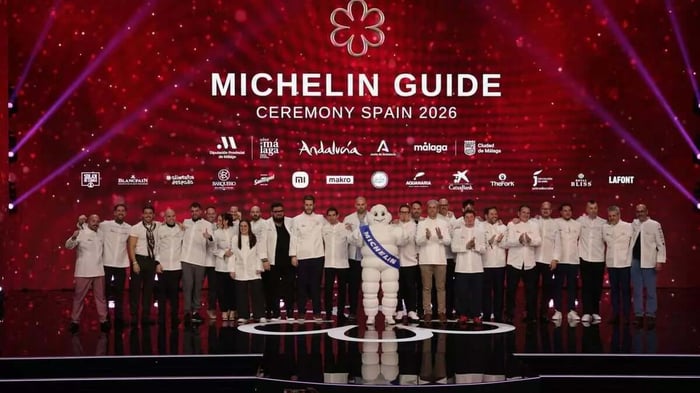
In the world of high-end gastronomy, the definition of luxury is shifting. For decades, the benchmark was opulence—the finest linens, the rarest caviars, and the most exclusive imports. However, the release of the Michelin Guide Spain 2026, presented just weeks ago in November 2025, has confirmed a definitive trend for Mallorca: true luxury is now defined by sustainability, proximity, and a deep connection to the land. The coveted "Green Star"—an award introduced to recognize restaurants at the forefront of sustainable practices—is fast becoming as prestigious as the traditional red stars on this island.
At Imperial Properties, we see this shift reflected in our clients' lifestyles. Property buyers are increasingly asking for homes with fruit orchards, space for organic gardens, or proximity to local markets. They understand what the Michelin inspectors have formally recognized: that Mallorca’s greatest asset is its produce. The 2026 Guide has cemented the island's reputation as a global leader in eco-gastronomy, with five confirmed Green Stars illuminating our culinary map.
Terrae: The New Star of Puerto Pollensa
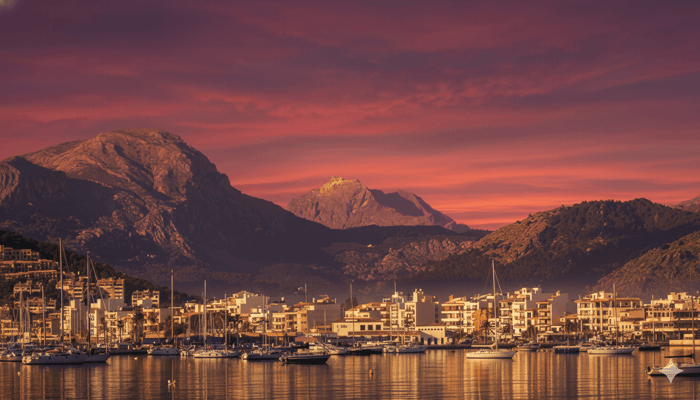
The headline news for the 2026 edition is the awarding of a new Michelin Green Star to Terrae in Puerto Pollensa. For those of us who frequent the north of the island, this accolade is a well-deserved recognition of Chef David Rivas’s uncompromising philosophy. Located just a short distance from the port, Terrae describes itself not merely as a restaurant, but as a project of "culinary craftsmanship."
Chef Rivas has built a menu entirely dependent on what the local land and sea provide on any given day. There is no fixed menu; there is only what the farmers, fishermen, and foragers bring to the kitchen door. This radical seasonality means that a diner in December experiences a completely different flavor profile to one in July. The inspectors praised Terrae for its "zero-waste" approach and its ability to turn humble, local ingredients—often overlooked "ugly" vegetables or lesser-known fish species—into plates of refined elegance. For residents of Puerto Pollensa, having a Green Star establishment on their doorstep adds a new layer of value to the local lifestyle.
The Guardians of the Land: Retained Excellence
Alongside the new entry, Mallorca successfully retained its four existing Green Stars, proving that sustainability here is a long-term commitment, not a passing trend. Andreu Genestra in Llucmajor continues to set the standard. His restaurant at the Hotel Zoëtry is famous for cooking with produce grown literally meters from the tables in his extensive organic gardens. The connection between the soil and the plate is unbroken, offering diners a taste of the Mediterranean that is as honest as it is sophisticated.
In the Tramuntana mountains, the Vicens family at Béns d'Avall (Sóller) also retained their Green Star. Their commitment to the "kilometer zero" philosophy is legendary, utilizing olive oil from their own groves and citrus from the Sóller valley. Similarly, Ca Na Toneta in Caimari and Maca de Castro in Port d'Alcúdia kept their distinctions. Maca de Castro, in particular, has pioneered a regenerative agriculture project in Sa Pobla, supplying her kitchen with heritage varieties of vegetables that were on the brink of extinction. These chefs act as guardians of Mallorca’s agricultural heritage, ensuring that the flavors of the island are preserved for future generations.
Why This Matters for Homeowners
The concentration of Green Stars in Mallorca—now totaling five—is disproportionately high for an island of this size. It signals a mature gastronomic ecosystem that values quality over quantity. For the property owner, this translates into a lifestyle of exceptional quality. It means that access to world-class, healthy, and ethically sourced food is the norm, not the exception.
Whether you are dining at the newly awarded Terrae in the north or enjoying the cliffside views at Béns d'Avall in the west, the message from the 2026 Guide is clear: in Mallorca, green is indeed the new gold. We congratulate all the chefs and teams who continue to make our island a beacon of sustainable excellence.
El Verde es el Nuevo Oro: El Éxito Sostenible Michelin de Mallorca para 2026
En el mundo de la alta gastronomía, la definición de lujo está cambiando. Durante décadas, el punto de referencia fue la opulencia: los manteles más finos, los caviares más raros y las importaciones más exclusivas. Sin embargo, el lanzamiento de la Guía Michelin España 2026, presentada hace apenas unas semanas en noviembre de 2025, ha confirmado una tendencia definitiva para Mallorca: el verdadero lujo se define ahora por la sostenibilidad, la proximidad y una conexión profunda con la tierra. La codiciada "Estrella Verde" —un galardón introducido para reconocer a los restaurantes a la vanguardia de las prácticas sostenibles— se está convirtiendo rápidamente en algo tan prestigioso como las tradicionales estrellas rojas en esta isla.
En Imperial Properties, vemos este cambio reflejado en los estilos de vida de nuestros clientes. Los compradores de propiedades piden cada vez más casas con huertos frutales, espacio para jardines orgánicos o proximidad a los mercados locales. Entienden lo que los inspectores de Michelin han reconocido formalmente: que el mayor activo de Mallorca es su producto. La Guía 2026 ha cimentado la reputación de la isla como líder mundial en ecogastronomía, con cinco Estrellas Verdes confirmadas iluminando nuestro mapa culinario.
Terrae: La Nueva Estrella de Puerto Pollensa
La noticia principal para la edición de 2026 es la concesión de una nueva Estrella Verde Michelin a Terrae en Puerto Pollensa. Para aquellos de nosotros que frecuentamos el norte de la isla, este galardón es un reconocimiento muy merecido a la filosofía intransigente del chef David Rivas. Situado a poca distancia del puerto, Terrae se describe a sí mismo no simplemente como un restaurante, sino como un proyecto de "artesanía culinaria".
El chef Rivas ha construido un menú que depende completamente de lo que la tierra y el mar locales proporcionan en un día determinado. No hay menú fijo; solo hay lo que los agricultores, pescadores y recolectores traen a la puerta de la cocina. Esta estacionalidad radical significa que un comensal en diciembre experimenta un perfil de sabor completamente diferente al de uno en julio. Los inspectores elogiaron a Terrae por su enfoque de "desperdicio cero" y su capacidad para convertir ingredientes humildes y locales —a menudo verduras "feas" pasadas por alto o especies de pescado menos conocidas— en platos de refinada elegancia. Para los residentes de Puerto Pollensa, tener un establecimiento con Estrella Verde en su puerta añade una nueva capa de valor al estilo de vida local.
Los Guardianes de la Tierra: Excelencia Retenida
Junto a la nueva entrada, Mallorca retuvo con éxito sus cuatro Estrellas Verdes existentes, demostrando que la sostenibilidad aquí es un compromiso a largo plazo, no una tendencia pasajera. Andreu Genestra en Llucmajor continúa marcando el estándar. Su restaurante en el Hotel Zoëtry es famoso por cocinar con productos cultivados literalmente a metros de las mesas en sus extensos huertos orgánicos. La conexión entre la tierra y el plato es ininterrumpida, ofreciendo a los comensales un sabor del Mediterráneo que es tan honesto como sofisticado.
En la Serra de Tramuntana, la familia Vicens en Béns d'Avall (Sóller) también retuvo su Estrella Verde. Su compromiso con la filosofía de "kilómetro cero" es legendario, utilizando aceite de oliva de sus propios olivares y cítricos del valle de Sóller. De manera similar, Ca Na Toneta en Caimari y Maca de Castro en Port d'Alcúdia mantuvieron sus distinciones. Maca de Castro, en particular, ha sido pionera en un proyecto de agricultura regenerativa en Sa Pobla, abasteciendo su cocina con variedades patrimoniales de verduras que estaban al borde de la extinción. Estos chefs actúan como guardianes del patrimonio agrícola de Mallorca, asegurando que los sabores de la isla se preserven para las generaciones futuras.
Por Qué Esto Importa a los Propietarios
La concentración de Estrellas Verdes en Mallorca —que ahora suman cinco— es desproporcionadamente alta para una isla de este tamaño. Señala un ecosistema gastronómico maduro que valora la calidad sobre la cantidad. Para el propietario, esto se traduce en un estilo de vida de calidad excepcional. Significa que el acceso a alimentos de clase mundial, saludables y de origen ético es la norma, no la excepción.
Ya sea que esté cenando en el recién premiado Terrae en el norte o disfrutando de las vistas al acantilado en Béns d'Avall en el oeste, el mensaje de la Guía 2026 es claro: en Mallorca, el verde es ciertamente el nuevo oro. Felicitamos a todos los chefs y equipos que continúan haciendo de nuestra isla un faro de excelencia sostenible.
Grün ist das neue Gold: Mallorcas nachhaltiger Michelin-Erfolg für 2026
In der Welt der Spitzengastronomie verschiebt sich die Definition von Luxus. Jahrzehntelang war der Maßstab Opulenz – die feinsten Leinen, die seltensten Kaviare und die exklusivsten Importe. Die Veröffentlichung des Michelin-Führers Spanien 2026, der erst vor wenigen Wochen im November 2025 vorgestellt wurde, hat jedoch einen definitiven Trend für Mallorca bestätigt: Wahrer Luxus definiert sich heute durch Nachhaltigkeit, Nähe und eine tiefe Verbindung zum Land. Der begehrte "Grüne Stern" – eine Auszeichnung, die eingeführt wurde, um Restaurants an der Spitze nachhaltiger Praktiken zu würdigen – wird auf dieser Insel schnell genauso prestigeträchtig wie die traditionellen roten Sterne.
Bei Imperial Properties sehen wir diesen Wandel im Lebensstil unserer Kunden widergespiegelt. Immobilienkäufer fragen zunehmend nach Häusern mit Obstgärten, Platz für Biogärten oder Nähe zu lokalen Märkten. Sie verstehen, was die Michelin-Inspektoren formell anerkannt haben: dass Mallorcas größtes Kapital seine Produkte sind. Der Führer 2026 hat den Ruf der Insel als weltweit führend in der Öko-Gastronomie gefestigt, mit fünf bestätigten Grünen Sternen, die unsere kulinarische Karte erleuchten.
Terrae: Der neue Stern von Puerto Pollensa
Die Schlagzeile für die Ausgabe 2026 ist die Verleihung eines neuen Grünen Michelin-Sterns an das Terrae in Puerto Pollensa. Für diejenigen von uns, die den Norden der Insel frequentieren, ist diese Auszeichnung eine wohlverdiente Anerkennung der kompromisslosen Philosophie von Chefkoch David Rivas. Nur unweit vom Hafen gelegen, beschreibt sich das Terrae nicht einfach als Restaurant, sondern als Projekt der "kulinarischen Handwerkskunst".
Chefkoch Rivas hat ein Menü aufgebaut, das vollständig davon abhängt, was das lokale Land und Meer an einem bestimmten Tag bieten. Es gibt kein festes Menü; es gibt nur das, was die Bauern, Fischer und Sammler an die Küchentür bringen. Diese radikale Saisonalität bedeutet, dass ein Gast im Dezember ein völlig anderes Geschmacksprofil erlebt als einer im Juli. Die Inspektoren lobten das Terrae für seinen "Zero-Waste"-Ansatz und seine Fähigkeit, bescheidene, lokale Zutaten – oft übersehenes "hässliches" Gemüse oder weniger bekannte Fischarten – in Teller von raffinierter Eleganz zu verwandeln. Für die Bewohner von Puerto Pollensa fügt ein Etablissement mit Grünem Stern vor ihrer Haustür dem lokalen Lebensstil eine neue Werter Ebene hinzu.
Die Hüter des Landes: Bewahrte Exzellenz
Neben dem Neuzugang konnte Mallorca seine vier bestehenden Grünen Sterne erfolgreich verteidigen, was beweist, dass Nachhaltigkeit hier eine langfristige Verpflichtung ist, kein vorübergehender Trend. Andreu Genestra in Llucmajor setzt weiterhin den Maßstab. Sein Restaurant im Hotel Zoëtry ist berühmt dafür, mit Produkten zu kochen, die buchstäblich Meter von den Tischen entfernt in seinen weitläufigen Biogärten wachsen. Die Verbindung zwischen Boden und Teller ist ungebrochen und bietet den Gästen einen Geschmack des Mittelmeers, der so ehrlich wie raffiniert ist.
Im Tramuntana-Gebirge hat auch die Familie Vicens im Béns d'Avall (Sóller) ihren Grünen Stern behalten. Ihr Engagement für die "Kilometer Null"-Philosophie ist legendär, wobei Olivenöl aus eigenen Hainen und Zitrusfrüchte aus dem Tal von Sóller verwendet werden. Ebenso behielten Ca Na Toneta in Caimari und Maca de Castro in Port d'Alcúdia ihre Auszeichnungen. Insbesondere Maca de Castro hat ein Projekt zur regenerativen Landwirtschaft in Sa Pobla vorangetrieben und versorgt ihre Küche mit alten Gemüsesorten, die am Rande des Aussterbens standen. Diese Köche fungieren als Hüter des landwirtschaftlichen Erbes Mallorcas und stellen sicher, dass die Aromen der Insel für zukünftige Generationen bewahrt werden.
Warum dies für Hausbesitzer wichtig ist
Die Konzentration von Grünen Sternen auf Mallorca – mittlerweile insgesamt fünf – ist für eine Insel dieser Größe überproportional hoch. Sie signalisiert ein reifes gastronomisches Ökosystem, das Qualität über Quantität stellt. Für den Immobilieneigentümer bedeutet dies einen Lebensstil von außergewöhnlicher Qualität. Es bedeutet, dass der Zugang zu erstklassigen, gesunden und ethisch einwandfreien Lebensmitteln die Norm ist, nicht die Ausnahme.
Ob Sie im neu ausgezeichneten Terrae im Norden speisen oder den Blick auf die Klippen im Béns d'Avall im Westen genießen, die Botschaft des Führers 2026 ist klar: Auf Mallorca ist Grün tatsächlich das neue Gold. Wir gratulieren allen Köchen und Teams, die unsere Insel weiterhin zu einem Leuchtturm nachhaltiger Exzellenz machen.