Table of Contents
Buying a Furnished Property in Mallorca: Inventories, Contents Value and What the Contract Must Say
When you buy a furnished property in Mallorca, nothing loose is automatically included just because it was there at the viewing. A signed, itemised inventory attached to the private contract and referred to in the deed is the only reliable record of what stays and what goes.
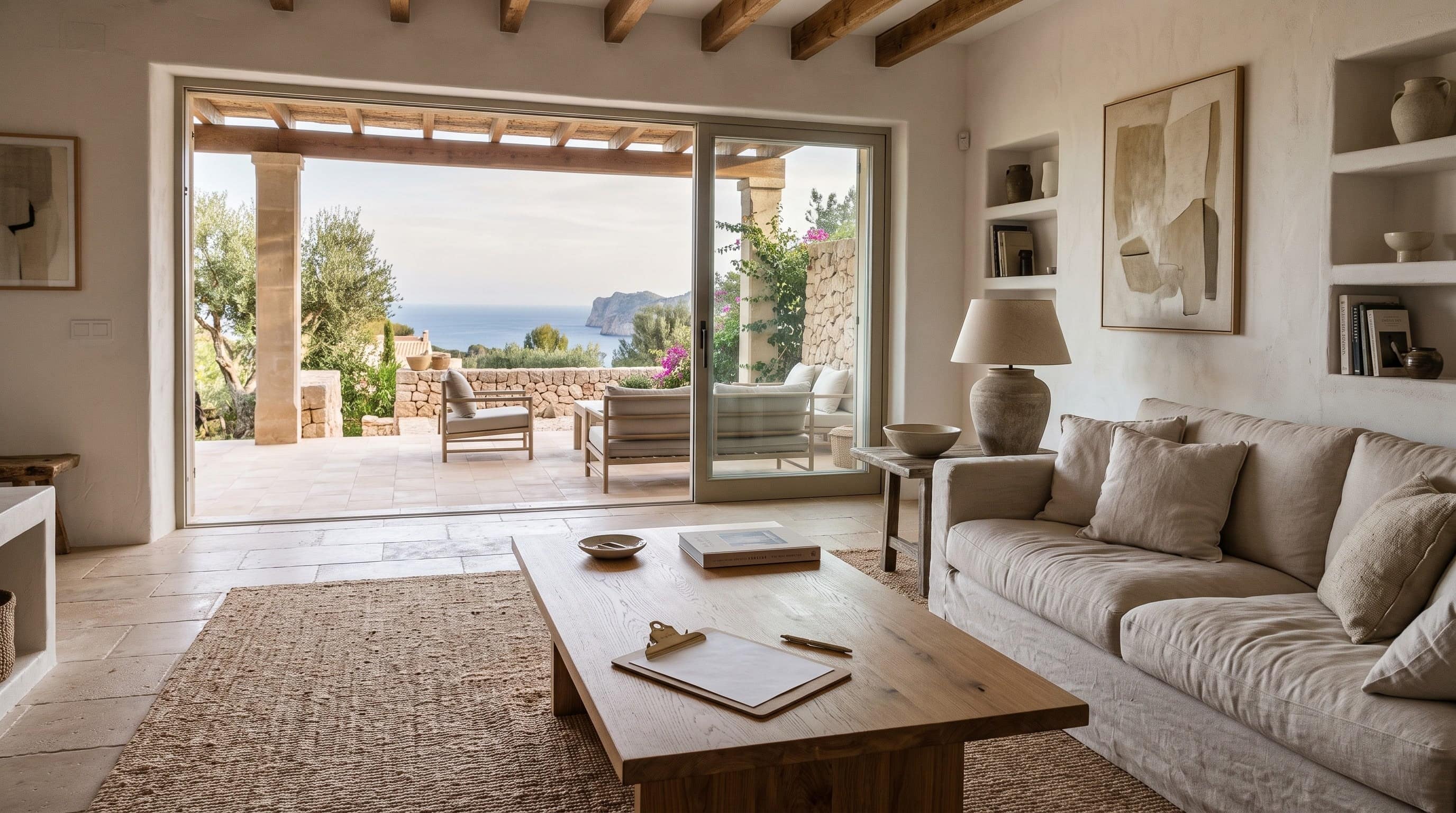
Furnished sales are common on the island. Many homes here are second homes or holiday homes, and owners who are moving on, often back to the UK, Germany or Scandinavia, are rarely keen to ship sofas and dining tables across Europe. For buyers, a furnished villa or apartment means you can arrive with a suitcase and start living, which is a real advantage when you are relocating a family or want to enjoy the house from the first weekend.
It also adds a layer of detail that is easy to overlook. Who owns the outdoor furniture? Is the art on the walls part of the sale? What happens if the fridge disappears between the viewing and the notary? Here is how to handle it properly.
Fixtures Versus Contents: What Spanish Law Says
Spanish law draws the basic line in article 334 of the Civil Code. Anything attached to a building in such a way that it cannot be removed without breaking it or damaging the object is treated as part of the property itself. So the built-in kitchen, fitted wardrobes, bathroom fittings, tiled-in fireplaces and similar items normally go with the house whether or not anyone lists them.
Everything else is movable property and belongs to the seller unless the contract says otherwise. Sofas, beds, tables, rugs, lamps, televisions, freestanding appliances, garden furniture, barbecues and paintings all fall on this side of the line. Between the two sits a grey area: split air-conditioning units, pool cleaning robots, outdoor lighting, curtains and blinds, or a wine fridge built into a cabinet. These are exactly the items that cause arguments, so list them by name.
Thinking about buying or selling in Mallorca?
The simplest rule is the one we give every client: if you want it, write it down; if the seller wants to keep it, write that down too. A clear list protects both sides and avoids an awkward conversation on completion day.
The Inventory: How to Do It Properly
A good inventory is organised room by room and includes the terrace, garden, garage and storage areas. For each item it gives a short description, the quantity and, for anything of value, the brand or model. Photographs dated and attached to the list are the best protection there is, because they show the condition at the time of agreement.
The inventory should also state what is excluded. Family photographs and personal items are obvious, but owners often want to keep a particular painting, an antique chest or a set of outdoor sculptures. If these are leaving, the list should say so, so that nobody assumes otherwise.
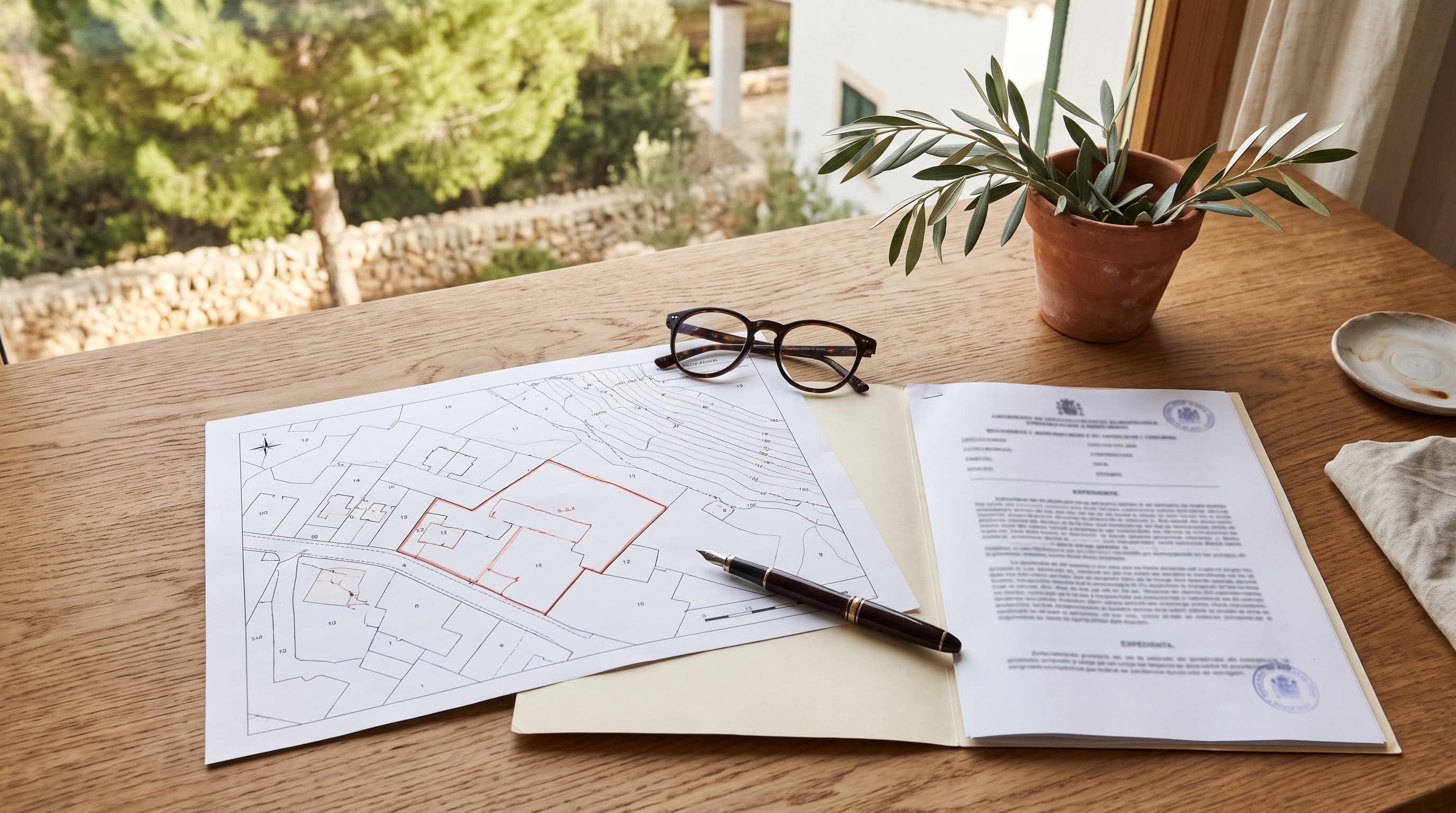
Attach the inventory as an annex to the arras or private purchase contract, have both parties sign or initial each page, and make sure the deed refers to it. If you are not yet familiar with the arras stage, our article on what happens if you walk away after signing the arras explains why that contract matters so much.
Agreeing a Value for the Contents
Buyer and seller can either include the contents in the overall price or put a separate figure on them. Including them is simpler. Separating them can make sense where the furniture is genuinely valuable, for example designer pieces, quality outdoor furniture or a complete set of new appliances, because movable goods are taxed differently from the property itself.
The figure has to be realistic. The Balearic tax agency, the ATIB, can review the values declared in a purchase, and since 2022 the taxable base for transfer tax on the property cannot be lower than the Catastro's valor de referencia when that figure is higher than the declared price. Moving part of the price into an inflated furniture figure therefore does not reduce the tax on the property below that floor, and it invites questions. Keep the contents value in line with what the items are actually worth, supported by photographs and, where you have them, invoices. Your lawyer or gestor will advise on the tax treatment for your purchase, and the ATIB website publishes the current regional rules.
Mortgages and Furniture
If you are financing the purchase, bear in mind that a bank valuation, the tasación, values the property, not its contents. Spanish lenders base the loan on the lower of the purchase price and the valuation, so any amount paid for furniture normally comes from your own funds.
This is one more reason to agree any separate contents figure early, so that the price in the deed, the valuation and your mortgage offer line up. Banks dislike surprises at the signing table as much as buyers do.
Condition, Handover and the Final Walk-Through
Agree in the contract that the property and the listed contents will be handed over in the condition in which they were inspected, allowing for normal wear. Then arrange a final walk-through shortly before the notary appointment. Take the inventory with you, check that everything listed is there and working, and confirm that anything excluded has gone.
Look at the practical details too: appliances switched on, the pool equipment running, remote controls for gates and air conditioning, keys for every lock, and alarm codes. If something is missing or broken, it is far easier to agree a solution before you sign than afterwards. A pre-purchase survey covers the building itself, as we explain in our guide to structural surveys when buying in Mallorca, but the contents check is yours to do.
Finally, arrange insurance from the day of completion and make sure the contents are covered as well as the building. Our article on home insurance for buyers in Mallorca explains what to look for.
For Sellers: Selling Furnished
If you are selling, decide early what you are leaving and what you are taking, and tell your agent before the photographs are taken. Buyers fall in love with what they see, so if a statement piece is not staying, it is better to remove it before viewings or make the exclusion clear in the listing.
Preparing the inventory yourself, with photographs, speeds things up once you accept an offer. It also helps if you are not on the island for the completion: a clear list means your representative and the buyer can carry out the handover without phone calls across time zones.
Whether you are buying a home ready to move into or selling one fully furnished, we are happy to help with the details. Browse our properties in Santa Ponsa and Nova Santa Ponsa or across Mallorca, call us on +34 971 692 434, message us on WhatsApp or email help@imperial-properties.com. If you are thinking of selling, use our free valuation form.
This article is general information and not legal or tax advice. Ask your lawyer to review the inventory and the contents value for your specific purchase.