Table of Contents
- Palma de Mallorca in 2026 - The City Overview
- The Old Town - History Architecture and Urban Elegance
- Santa Catalina - The Liveliest Neighbourhood in Palma
- Portixol and Molinar - Waterfront Living at the Edge of the City
- Son Vida - Palma's Most Exclusive Address
- Bonanova and Genova - Leafy Residential Living with Sea Views
- What Daily Life in Palma Actually Looks Like
Living in Palma de Mallorca - The Complete Guide to Mallorcas Capital City in 2026
Living in Palma de Mallorca is an experience that regularly surprises people who assumed they were moving to a resort island. What they find instead is a genuinely European capital city of around 400,000 people: a city with a Gothic cathedral of genuine grandeur, an old town of winding medieval lanes and extraordinary Can palaces with private courtyards, a waterfront that has been transformed by a decade of investment into one of the finest promenades in the Mediterranean, an international food scene anchored by Michelin-starred restaurants and a thriving market culture, world-class sport and sailing on the doorstep, and a tempo of daily life that balances urban energy with the particular ease of a city where the sea is always visible from higher ground. Palma is not Mallorca's service centre for the beach resort industry. It is a city that rewards living in year-round, and the growing community of international residents who have made it their base in 2026 understand this very well. This guide covers the city's main residential areas, what life in each area is actually like, property prices, and what makes Palma work as a full-time city residence.
Palma de Mallorca in 2026 - The City Overview
Palma is the capital of the Balearic Islands, the seat of the regional government, the location of Palma Airport (one of the busiest in Europe with over 30 million passengers annually), and the economic and cultural hub of an island that receives over 15 million visitors per year. It is also, for the people who actually live there, a city that works exceptionally well: compact and walkable, with a good public transport network (free for registered residents), excellent healthcare at Son Espases and Son Llàtzer hospitals, 19 international schools within easy reach, and a year-round restaurant and cultural calendar that requires no tourist season to sustain itself.
The city centre property market in Palma operates at a distinct level from the coastal villa market. Apartments in Santa Catalina and Portixol are priced at €3,000 to €4,500 per square metre in 2026, according to independent market data. Renovated Can palaces and historic apartments in the old town command €4,000 to €6,000 per square metre or more. Son Vida villas represent the city's luxury ceiling at €7,000 to €10,000-plus per square metre, competitive with the island's premium coastal markets. The Palma city market is characterised by strong and consistent demand, very limited new supply, and a buyer pool that includes the full international spectrum from British and German to American and Scandinavian.
The Old Town - History Architecture and Urban Elegance
Palma's old town, known locally as the Casc Antic or Casco Antiguo, is one of the finest historic city centres in the western Mediterranean. The Catedral de Mallorca (La Seu), begun in 1229 and completed over four centuries, dominates the waterfront with a mass and elegance that makes it one of the great Gothic buildings in Europe. Behind it spreads a maze of medieval lanes, baroque churches, Renaissance palaces and the extraordinary Can mansions — large private townhouses built by the island's mercantile aristocracy from the 15th to 18th centuries, typically featuring a grand entrance arch, a private courtyard planted with orange and lemon trees, and a monumental staircase rising to piano nobile floors of genuinely exceptional proportions.
Living in the old town means living among all of this, with the Paseo del Born — Palma's answer to Las Ramblas — a five-minute walk from most properties, the Mercat de l'Olivar food market within easy reach, and the full collection of the city's best restaurants and wine bars on the doorstep. Property in the old town consists primarily of renovated apartments and townhouses in historic buildings, many of which have been converted to very high specification in the past decade. The combination of history, architecture, walking access to everything and the particular pleasure of living in a genuinely beautiful urban fabric makes the old town Palma's most sought-after residential address for those who want full city living.
Santa Catalina - The Liveliest Neighbourhood in Palma
Santa Catalina is consistently the most popular neighbourhood in Palma for international residents, expats and digital nomads. A former fishing quarter just west of the old town, it has been transformed over the past fifteen years into one of the most vibrant and genuinely cosmopolitan residential areas in the western Mediterranean. The neighbourhood has a food market at its centre — the Mercat de Santa Catalina, one of the best fresh markets in Palma — and a dense network of restaurants, wine bars, natural food shops, yoga studios and independent boutiques that give it a character closer to a progressive European city neighbourhood than a Spanish resort.
Santa Catalina attracts young professionals, creative workers, digital nomads who have chosen Palma as their Mediterranean base, and international buyers who want urban energy alongside Mediterranean light. The international community here is genuine and well-established: English is spoken everywhere, and the evening energy on the neighbourhood's restaurant terraces is at least as cosmopolitan as anything in Lisbon or Barcelona. Property in Santa Catalina is primarily renovated apartments and townhouses, with prices running from €3,000 to €4,500 per square metre in 2026. Properties with rooftop terraces, views to the cathedral or the sea, and high-specification renovations command the upper end of this range. Demand consistently outstrips supply and available properties are typically taken within two weeks of listing.
Portixol and Molinar - Waterfront Living at the Edge of the City
Portixol, just east of Palma's old town along the waterfront, is a former fishing village that has been transformed into one of the most desirable residential addresses in the city. The seafront promenade here — which extends east toward El Molinar and beyond along the cycle path to the airport — is the finest urban waterfront walk in Palma, and the restaurants and cafes that line it offer some of the most consistently good casual dining on the island. Properties in Portixol range from renovated fishermen's houses with terraces and sea views to modern luxury apartments along the waterfront, with prices typically running from €3,500 to €5,000 per square metre for prime frontline positions.
El Molinar, immediately east of Portixol, is Portixol's quieter and slightly more local-feeling neighbour. The modernist architecture of the early 20th century gives the streetscape a distinctive character, and the neighbourhood is undergoing the same process of high-quality renovation that transformed Portixol fifteen years ago. For buyers looking for the best value waterfront property in Palma city, El Molinar represents the most compelling opportunity in 2026.
Son Vida - Palma's Most Exclusive Address
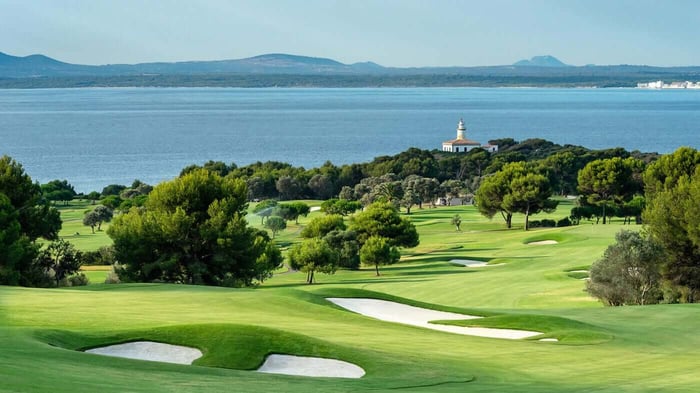
Son Vida, in the hills above and to the northwest of Palma's city centre, is the most prestigious residential enclave in the city and arguably in Mallorca. Gated communities, panoramic views over Palma Bay and the Serra de Tramuntana, three world-class Arabella golf courses within the neighbourhood itself, 24-hour private security, and a consistent community of high-net-worth residents from across Europe and beyond make Son Vida the closest equivalent to a Beverly Hills of the Mediterranean. The properties here are primarily large villas, set in private gardens and pools, with property values consistently above €7,000 per square metre and many significant addresses well above €10,000 per square metre.
Son Vida is within 10 to 15 minutes of Palma city centre and 20 minutes from the airport, making it genuinely functional as well as prestigious. International schools are within easy reach, the Arabella hotel complex provides five-star amenity on the doorstep, and the community of residents creates the kind of established, familiar privacy that is difficult to find at any price in most European capitals.
Bonanova and Genova - Leafy Residential Living with Sea Views
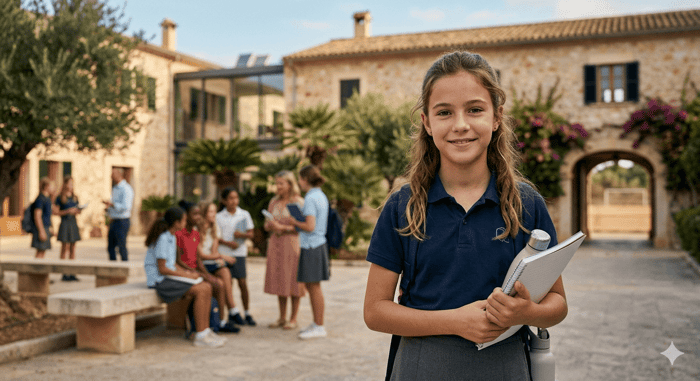
Bonanova, on the western outskirts of Palma toward the coast, is a quiet, established residential neighbourhood of villas, larger apartments and townhouses set among pine trees with views over Palma Bay. It is the preferred area for families who want proximity to the city and to Queen's College and Bellver International College without the urban energy of Santa Catalina. The streets are wider, the pace is calmer and the air cleaner, while Palma city centre is ten to fifteen minutes by car. Genova, immediately above and inland from Cala Major, is a traditional hilltop village that feels like a rural community while being fully within the city's orbit — narrow stone streets, excellent restaurants known to locals and a small but loyal population of residents who value quiet above all else.
What Daily Life in Palma Actually Looks Like
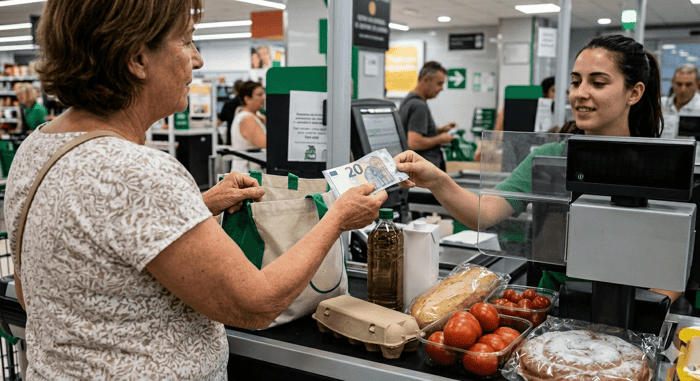
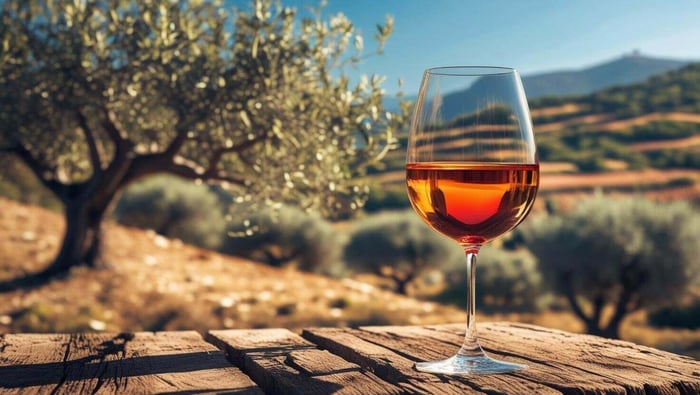
Living in Palma de Mallorca as a full-time or extended-stay resident is a daily experience of small pleasures that compounds over time into something it is genuinely difficult to replicate elsewhere. The morning walk to the market for tomatoes, almonds and bread from the island's interior. Coffee at a terrace table in one of the old town's small squares, where the light in spring and autumn is a particular quality that photographers and painters have been chasing for two centuries. The early afternoon swim at a beach that in October is still at 22 degrees. A menú del día three-course lunch for €14. An evening at one of the city's Michelin-starred restaurants, where the quality of the cooking is genuinely world-class. A weekend drive of 25 minutes to the wine country of Binissalem, or 30 minutes to the Serra de Tramuntana. The sense that the city is neither too large nor too small — that it has the cultural substance and the economic seriousness of a real European capital, at a scale that makes it navigable and human.
At Imperial Properties, we are based in the southwest of Mallorca and work across the full island including Palma and its city neighbourhoods. If you are considering living in Palma de Mallorca and want to understand the property landscape, the neighbourhoods, what is available at different price points and how the process of buying city property in Palma differs from a coastal purchase, we would welcome the opportunity to speak with you.