For international residents and globally mobile families considering a relocation to Mallorca, the island’s robust selection of international schools is often a crucial factor in the decision-making process. Mallorca is not merely a premier European destination; it is a hub for world-class, globally recognised education, offering children a seamless academic pathway combined with an unparalleled quality of life.
This guide provides a definitive overview of the diverse institutions available and outlines the profound benefits that international schooling on the island provides, securing both an exceptional childhood and a globally competitive future for relocating students.
Why Choose International Education in Mallorca? The Key Benefits
The advantages of enrolling a child in one of Mallorca’s premier international institutions extend far beyond the classroom, catering specifically to the needs of families moving between countries or seeking a superior global curriculum.
1. Academic Continuity and Global Recognition
One of the most critical factors for expat families is ensuring their child's education maintains consistency and recognition, regardless of future moves. Mallorca's international schools solve this challenge by offering globally recognised curricula:
International Curricula: Schools predominantly follow the British National Curriculum (leading to IGCSEs and A-Levels), the International Baccalaureate (IB) programme, or the national curricula of countries like France and Germany. These systems are structured for easy transfer worldwide.
University Pathways: Graduates are not limited to Spanish universities. The IB Diploma and A-Level qualifications are highly regarded and accepted by leading universities across the UK, Europe, the US, and globally. This flexible qualification pathway is essential for students with international career aspirations.
High Standards: Many institutions maintain rigorous academic accreditation (e.g., COBIS, NABSS, Cambridge/Edexcel Examination Centres), ensuring academic rigour and verifiable examination results that meet international benchmarks.
2. Cultivating True Multilingualism and Cultural Fluency
The international school environment is a vibrant melting pot of cultures, preparing students for a world without borders by fostering linguistic and cultural dexterity.
Bilingual and Trilingual Fluency: Almost all international schools on the island are fully bilingual, with English often being the primary language of instruction, alongside Castilian Spanish. Many institutions also integrate Catalan, French, or German, resulting in students who are genuinely proficient across multiple languages.
Global Citizenship: With student and staff bodies representing numerous nationalities, children gain an innate global perspective, fostering cultural empathy, adaptability, and open-mindedness—essential soft skills for navigating an interconnected world.
3. Personalised Attention and Holistic Development
Mallorca’s private international schools typically embrace a holistic educational philosophy that focuses equally on academic excellence, personal growth, and student well-being.
Smaller Class Sizes: Compared to public school systems, international schools generally feature smaller class sizes and a higher teacher-to-student ratio. This ensures a greater degree of personalised attention, allowing educators to tailor instruction to individual learning styles and needs, thereby maximising each student's potential.
Extracurricular Excellence: Schools provide extensive extracurricular programmes, including competitive sports teams, arts academies (music, drama, fine art), robotics, and outdoor education. The island’s unique natural environment, from the Mediterranean coast to the Serra de Tramuntana mountains, is often utilised for outdoor and experiential learning.
4. Community Integration for the Family
Enrolling children in an international school is one of the most effective ways for new residents to establish a social network and find common ground on the island. The parent communities associated with these schools are often highly supportive and serve as a ready-made international social circle, significantly facilitating the family's overall integration into life in Mallorca.
Overview of International Institutions in Mallorca
Mallorca offers a wide geographical spread of international education, with the majority of schools concentrated in the desirable Palma and Southwest regions, while significant options exist across the whole island, including the North, Centre, and East.
The following table provides a comprehensive listing of all major international schools in Mallorca, grouped by their primary curriculum for clarity:
| School Name | Location (Area/Town) | Primary Curriculum & Focus |
| British & Cambridge Curricula (IGCSE / A-Level) | ||
| Baleares International College (BIC) | Sa Porrassa (SW) & Sant Agustí (Palma) | British National Curriculum, IGCSE, A-Levels. Two campuses. |
| Bellver International College | Cala Major (Palma) | Longest-established British school in Spain, IGCSE, A-Levels. |
| King Richard III College | Portals Nous (SW) | British National Curriculum, IGCSE, A-Levels. Bilingual focus. |
| Queen's College | La Bonanova (Palma) | British National Curriculum, strong academic focus, GCSE, A-Levels. |
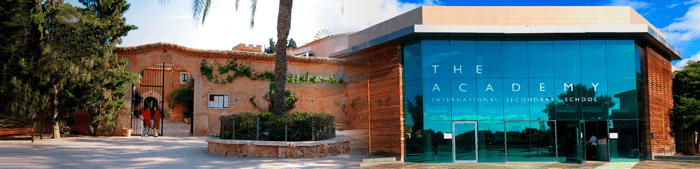
| The Academy International School | Marratxí (Centre) | National Curriculum of England and Wales, IGCSE. |
| Raoul Wallenberg International School (RWIS) | La Vileta (Palma) | Cambridge International Curriculum, multilingual. |
| MySchool Mallorca International School (MIS) | Crestatx, Sa Pobla (North) | British Curriculum, first international school in the North. |
| Green Valley School | Son Puig (Palma suburb) | British Curriculum, IB Diploma Programme candidate. |
| ISLA Academy | Just outside Manacor (East) | British Curriculum, focused on experiential learning and life skills. |
| Tudor Rose British College | Cala Millor (East Coast) | Cambridge International Curriculum (Primary only). |
| IB & Global Curricula | ||
| Agora Portals International School | Portals Nous (SW) | Full International Baccalaureate (IB) programme, multi-lingual. |
| Escola Global | Parc Bit (Palma/UIB area) | British Curriculum with Project-Based Learning (PBL) approach. |
| National European Curricula | ||
| Lycée Français de Palma | Sa Teulera (Palma) | French National Curriculum (leading to Baccalauréat). |
| Eurocampus Deutsche Schule | El Terreno (Palma) | German National System (leading to official German qualifications). |
| Svenska Skolan Palma de Mallorca | Palma | Swedish National Curriculum (supported by the Swedish state). |
| Specialist & Post-16 Education | ||
| Rafa Nadal International School (RNIS) | Manacor (East) | American curriculum with US High School Diploma/AP courses, combined with elite sports. |
| Palma College | Palma City Centre | Exclusive Sixth-Form College (A-Levels only) for university preparation. |
| The Montessori School of Mallorca | Santa María del Camí (Centre) | Montessori method integrated with British framework. |
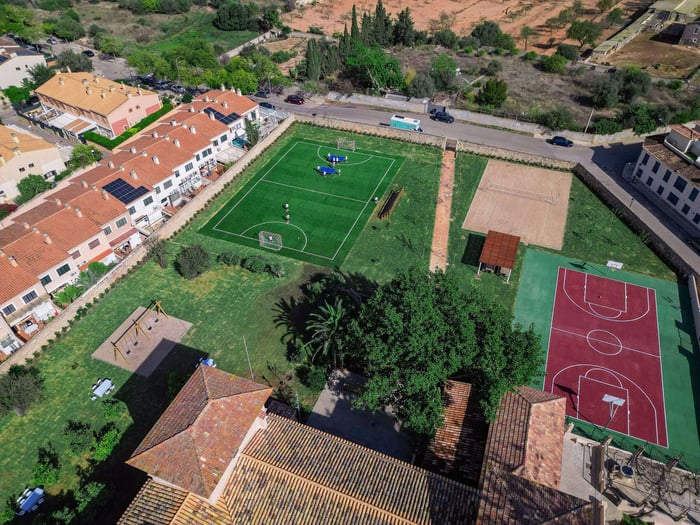
In conclusion, choosing an international school in Mallorca is an investment not only in a child's academic future but also in their overall well-being and development. The combination of internationally renowned curricula, multilingual education, and a supportive, diverse environment set against the stunning backdrop of the Mediterranean ensures students are prepared to thrive in any corner of the world.
Questions & Answers: International Schools in Mallorca
What are the main curricula offered by international schools in Mallorca?
The main curricula are the British National Curriculum (leading to IGCSEs and A-Levels), the International Baccalaureate (IB) programme, and the national curricula of countries such as France, Germany, and Sweden. Some schools also offer the American curriculum.
What is the primary advantage of these schools for families moving to the island?
The primary advantage is academic continuity. Following an internationally recognised curriculum allows students to seamlessly transition between schools worldwide, and qualifications like the IB Diploma and A-Levels are accepted by top universities globally.
Are students at these schools able to learn Spanish?
Yes. Most international schools are fully bilingual (often English/Spanish or another language/Spanish). Spanish is taught as a required subject, often alongside Catalan, ensuring students become genuinely multilingual and can integrate into local life.
Where are the international schools in Mallorca located?
While the majority are concentrated in and around Palma and the desirable **Southwest** region (e.g., Portals Nous, Calvià), there are schools spread across the island, including options in the **Centre** (Marratxí, Santa María), **North** (Sa Pobla), and **East** (Manacor, Cala Millor).
Do these schools focus only on academics?
No, international schools typically follow a holistic educational approach. They strongly emphasise extracurricular activities, including sports, arts, and leadership programmes, alongside academics, often benefiting from the island's unique natural environment.